What is Dental Trauma?
Dental trauma is not as difficult as it seems. If we get a little deeper into the meaning, then you will understand it better. Simply put, trauma to the teeth, gums, lips, or jawbone occurs as a result of an accident, and the impact from an accident is the most common cause. For example, think of an accident while playing sports, hitting your mouth against something hard, or even biting a tough popcorn kernel. People from all walks of life can be affected, and it’s not just for sportspeople or people who love stunts.
Once in a blue moon, you can spot signs of damage instantly, like a tooth that has broken in half or it just fallen out. In other cases, trauma might be quite cunning. You could feel no pain at the very beginning and only notice a problem later when you start to feel the pain in your reacting tooth, or it otherwise starts to wiggle.
Some hard pills to swallow: Lasting or temporary “real” is just a word that has not been replaced yet by “healthy” or “beautiful”. Trauma can bring the weaknesses in natural teeth to the surface, and here, modern cosmetic dentistry will help.
What are the Types of Dental Trauma?

Dental trauma is a very diverse topic with a lot of different kinds of injuries of various severities. Some of them, for you, may be light needs. It is now that you ought to be aware of the main types of dental trauma.
- Chipped or Fractured Teeth
Regardless of how serious the condition of the tooth is – it may be a crack or it may be chipped – it is the most common injury. It might be non-painful at first, but it can be agonizing if untreated.
- Knocked-Out Tooth (Tooth Avulsion)
This is one of the instances where the name perfectly describes the action. The tooth could be entirely knocked out after a fall or a punch. But, if you act quickly—yes, within half an hour to an hour—you might get the chance to save it.
The tooth is still in place, but it has been displaced – either in the direction of the tongue, lips, or the palate, that is, pushed inward, outward, or sideways. Sounds dreadful? It usually is.
- Root Fractures
Cracks that start at the top of the tooth and continue down the root, under the gum line, can only be seen on X-rays. These can become severe long-term problems if they are not treated well.
- Gum and Soft Tissue Injuries
Bite marks and scratches on your lips, cheeks, or gums usually occur along with the injury to the tooth. While it may not always be severe, it can be quite painful and have a high infection risk.
When in Lema Dental Clinic, be it any kind of damage to the teeth experienced, the team there, who are experts in the area, are able to change a fiasco into a wonderful makeover with veneers, implants, and high-standard cosmetic treatments.
What Is the Source of Dental Trauma?
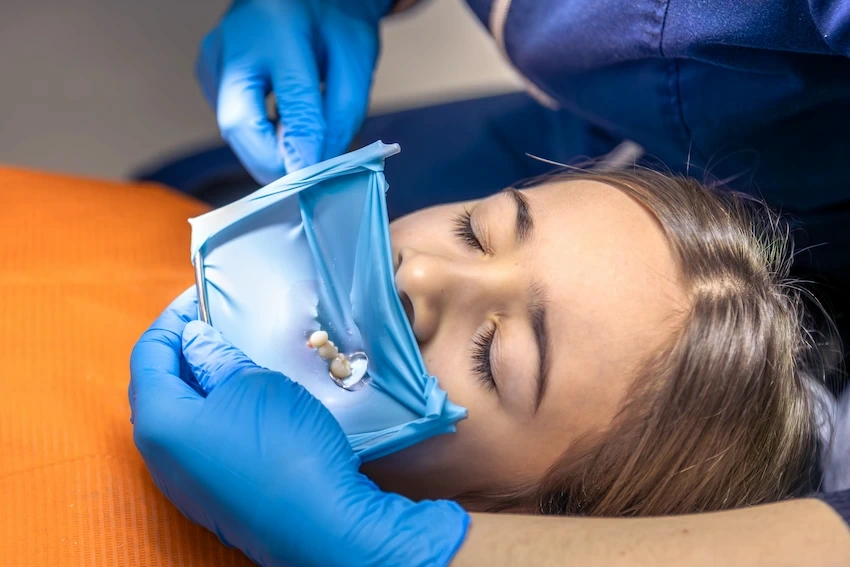
Unforeseen events can result in dental trauma swiftly and effectively. These are some of the most common reasons why people experience oral injuries.
- Sports Injuries: Participating in a game without a mouthguard is similar to putting yourself in harm’s way in reality.
- Falls and Accidents: A bicycle accident, falling down the stairs, or fainting are all incidents where the leading edge of your face meets the floor very often.
- Car or Bike Accidents: Just a small accident can cause the teeth to be severely damaged by the shock.
- Fighting or Physical Assaults: Violence can lead to broken teeth. (That’s the most sincere thing I’ve ever said.)
- Biting Hard Foods: Chewing hard foods such as ice, nuts, and popcorn kernels is hazardous to the health of your teeth.
- Teeth Grinding (Bruxism): Continuous grinding of teeth will abrade the enamel of the teeth and produce microabrasions and cracks that will make the teeth more prone to fractures.
So, the final point is that the natural teeth that we have are fragile. One careless mistake and they’re one of the people who have brown, bent, or uneven teeth. Therefore, massive numbers of the population are focusing on how they can have a lasting solution and something that is pure perfection, like the veneers and the implants offered by Lema Dental Clinic in Turkey.
How Is Dental Trauma Treated?
The great news is that a lot of dental trauma can be completely healed and returned to their original state, often resulting in an even better smile than before.
Read on to find out the ways different dentists use for different types of trauma.
Minor Chips or Cracks
- Treatment: Dental bonding or tooth reshaping with color-matched resins
- Why it works: It gets the job done quickly, it’s not painful, and it also allows your …restores your natural smile shape.
Serious Cracks or Deep Fractures
- Treatment: Porcelain crowns or a root canal procedure
- Why it works: A crown shields the tooth and brings back its function, the core of the infected …
Knocked-Out Teeth
- Treatment: Swift re-implantation (if it’s still an option) or a dental implant substitution
- Why it works: Thanks to implants, you can say that implants mirror your natural function, but even better.
Discolored or Damaged Front Teeth
- Treatment: Ceramic Veneers
- Why it works: Veneers are super-thin shells that are put on the front part of the teeth and immediately address the problem of color, edge, or shape.
Full Smile Makeovers
- Treatment: Hollywood Smile treatment at Lema Dental Clinic
- Why it works: This is a technique of blending veneers, dental implants, and the best in cosmetic dentistry for an enchanting smile that can match that of a movie star.
How to Prevent Dental Trauma
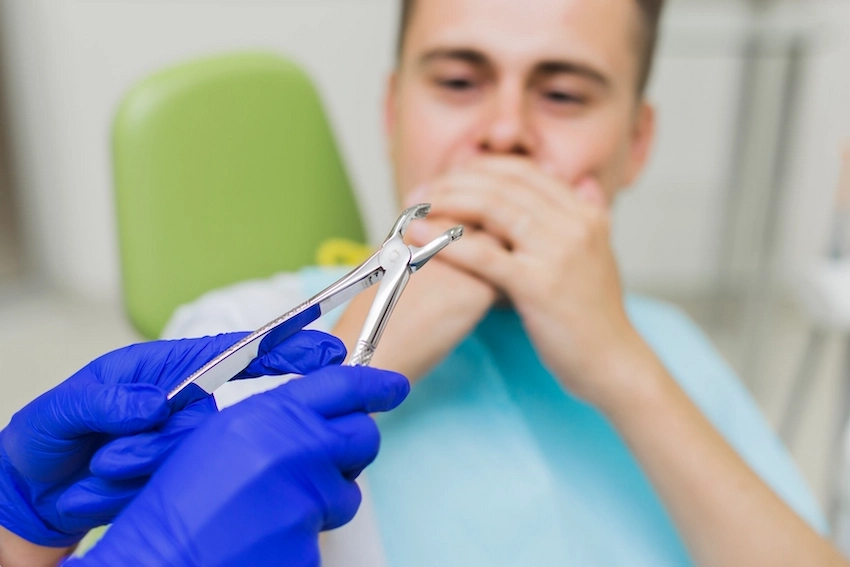
No one can be sure that he/she will not suffer any injury, but some precautions can be taken to minimize the risks:
- If you are a sportsman or if you work in a workplace where the danger of trauma is high, you use a mouthguard.
- Break your habit of biting on hard objects like pens, ice, or fingernails.
- Fix your bite problems with orthodontics or night guards as soon as they arise.
- Stay away from doing dental procedures or trying to implement dental solutions yourself.
- Visit your dentist periodically for diagnosis of fissures and weak points, and for early treatment to prevent them from becoming problems.
And if by chance, an incident does occur, you should keep in mind that trauma doesn’t necessarily mean disaster. At Lema Dental Clinic, it can be an amazing beginning.
Why Natural Teeth Aren’t Always Perfect
The general perception is that keeping your natural teeth is the best thing to do. Definitely, not the case.
Your natural teeth may be:
- Not equal in height
- Discolored
- Twisted
- Vulnerable after the injury
- Prone to decay or pain
In most cases, veneers or implants serve as a more robust, healthier, and definitely more aesthetic solution. Plus, when they are skillfully designed, for example, by the professionals at Lema Dental Clinic, the outcome is a smile that is not only attractive but also very practical.
If an emergency does happen to befall you, don’t put off seeing a dental specialist. Remember that in some cases, trauma is a surefire way to get the picture-perfect smile you have always dreamed of.
FAQ: What is Dental Trauma and How is It Treated?
Depending on the injury, treatment can range from bonding, crowns, root canals, veneers, to dental implants. The aim is to return both the look and the function of your tooth.
The term gum trauma means injuries to the soft tissues of the gums, such as cuts or bruising of the gums. It can lead to swelling, bleeding, and infection if untreated.
Normally, teeth that cannot erupt on their own are removed by surgical means or are brought into place with braces. It relies on the position and the health of the tooth.
Usually, complex reconstructions after trauma, even severe ones are the most difficult surgeries as they require surgery, implants, and skillful cosmetic care. As a result, such complicated matters are better when worked jointly resulting in a multidisciplinary team like that in the Lema.
It may lead to serious problems that can be due to permanent teeth being affected, and children suffering from speech problems or bite misalignment. The execution of an early treatment plan is required, but the long-term repercussions to be avoided.