


Bone grafting is a major dental operation that is done to renew or rebuild the jawbone, especially when there is not enough bone to hold dental implants. The dental code related to bone grafting serves as a language that dental professionals use to accurately record, bill, and ensure the insurance coverage of the procedure. Both the patients and the dental providers need to understand the bone graft dental codes so that they can coordinate the proper treatment and reimbursement. This article will introduce the various types of bone grafts and their corresponding dental codes, as well as explain how these codes are utilized to facilitate treatment.
Bone Graft Dental Code for Implant Procedures
Quite often, bone grafts are the prerequisite to dental implants in patients to bring back the lost bone volume and density, which are necessary for the support of implants. The bone grafting is inevitable if a patient’s jawbone has been severely damaged due to an accident, illness, or tooth loss, and thus implants need to be installed on a new stable base.
The dental code for bone grafting associated with implants usually depicts the kind of graft material and the intricacy of the operation. The bone graft materials can be:
- Autogenous Bone: It is the bone taken from the patient’s own body, generally from the chin, jaw, or hip.
- Allografts: These are the bones taken from a donor.
- Xenografts: These bones come from animals, e.g., cows.
- Synthetic Bone: It is a man-made material that has the same characteristics as natural bone.
Most of the time, the dental code for implant-related bone grafts is D7953. This is the code for a “bone replacement graft” procedure when the grafting material is implanted in the jawbone to bring back the bone volume before the placement of the implant. Choosing the right code is very important in order to have the correct billing and insurance coverage.
The process of bone grafting before the insertion of dental implants is the main factor that guarantees the implant stability and success over the long term. This is what makes it possible for the implant to properly merge with the jawbone, thus allowing the functionality and aesthetics to be improved at the end of the day.
Bone Graft with Membrane Dental Code
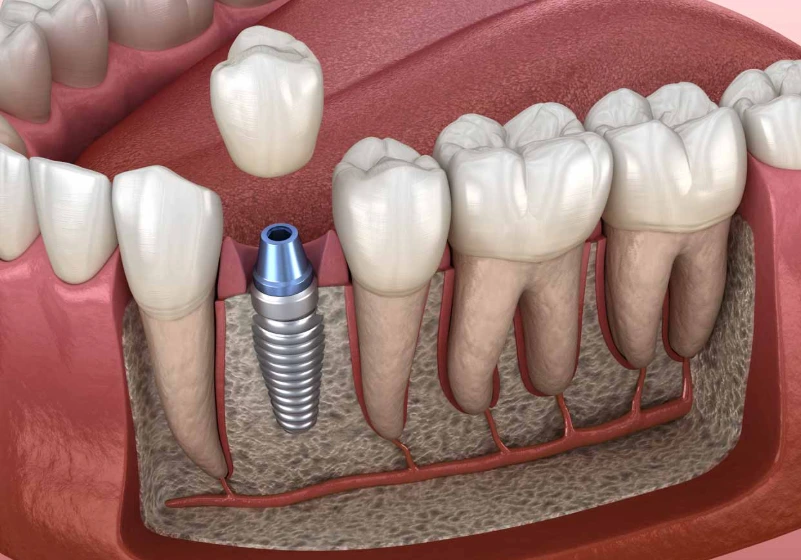
A bone graft, along with a membrane, is frequently the case when the healing process requires extra protection. The method here is to cover the graft with the barrier membrane so as to stop the soft tissue from getting in the way of the new bone growth. The membrane aids the recovery process and, at the same time, it makes sure that the bone comes back in the right shape and the right place.
There are quite a few advantages of a membrane in bone grafting:
- Protection: The membrane protects the graft from the surrounding tissues, which is in turn highly beneficial for proper bone regeneration.
- Guided Bone Regeneration: The use of membranes allows new bone growth to be guided in places where the bone volume is very low.
- Healing Improvement: The membrane application can bring about the improvement of the healing process and the reduction of the risk of complications too.
When the procedure involves grafting with a membrane, the dental code is D7951. This code stands for “sinus augmentation with bone graft“, which is a typical case where a membrane is used to cover the graft, especially when the maxillary sinus floor is elevated. It is there to ensure that both the bone graft and the membrane are properly billed and documented for insurance.
The code that corresponds to bone grafting with a membrane is adjusted to ensure that the process is accurately recorded for the purpose of billing, and that both the graft and the membrane are taken into account in the treatment costs. This innovative method is usually done in patients with complicated cases where the bone needs to be given extra protection in order to have a successful implant.
Bone Graft Dental Code with Extraction
After a tooth is removed, the bone grafting that follows is the saving of the socket where the tooth had been taken out, a very important dental structure maintenance operation. The jawbone at the site of the extraction is going to shrink severely if nothing is done right away, which will lead to bone loss that makes future implant placement difficult.
The dental code for bone grafting with an extraction is the one that corresponds to the performance of the extraction, as well as the subsequent bone grafting. Commonly referred to as socket preservation, this is a procedure that stops the loss of bone in the area of the extraction, thus, not only maintaining the bone structure but also preparing the site for implants in the future. The operation is that of placing the bone graft material into the newly empty socket; thus, it is ensured that the jawbone will still be intact, at the same time, the implant will be more easily placed further down the line.
The appropriate dental code for this operation is D7240 for “tooth extraction” and D7950 for “socket preservation“. These codes make sure that both the extraction and the bone grafting are documented and thus, the patients will be given the insurance that makes the billing easier for them.
The success of the bone graft after the extraction is of utmost importance for patients who are thinking of getting implants. By employing the correct dental code, the recording of both the extraction and grafting is done in the right way; thus, the procedure is properly accounted for, and the insurance covers it.
Benefits of Bone Grafting in Dental Implant Success
Bone grafting is indispensable for implant success, particularly when the patient has suffered major bone loss. The restoration of the bones is not only the support for the dental implants, but also the preservation of the jaw structure, which is beneficial from both the functional and the aesthetic point of view. The main benefits of bone grafting are:
- Restoration of Jawbone Volume: Through bone grafts, the height, width, and density of the jawbone can be brought back, thus, the latter will be able to hold implants firmly.
- Improved Implant Stability: The existence of a solid base is what makes the implants last and the whole thing is a success, thus, the implants are stable for sure.
- Preservation of Facial Aesthetics: The bone structure that is kept going on stops the face from going in, thus, the natural and youthful look is kept.
- Better Functional Outcomes: With the help of grafting, implants will be able to work in the same way as natural teeth, thus, the acts of chewing, speaking, and smiling will be facilitated and the patient will be comfortable.
As bone grafting provides sufficient support for implants, the latter will work well, have the natural look, and be the source of durable results. It is a must in the implant process, especially when the patient has lost bone due to an injury, disease, or long-lasting tooth loss.
Conclusion
Bone grafting, in a way, is a lifeline for dental implants to be successful, especially the cases where the patient doesn’t have enough jawbone structure. It doesn’t really matter whether it’s done for implants, with a membrane, or after a tooth extraction; the purpose of the bone grafting is to bring back and keep the jawbone, then, it becomes a solid foundation for the next dental work.
What is more, patients can greatly benefit from understanding the correct usage of bone graft dental codes as well as knowing what kind of codes to expect. The codes work by providing accurate documentation, billing, and insurance coverage, which makes the whole procedure as a walk in the park both for patients and care providers.
For patients looking for the best and professional care, Dentist Polen Akkılıç and her team, or Professor Doctor Coşkun Yıldız at Lema Dental Clinic in Istanbul, provide the top-notch services that perfectly fit the individual needs of the patients in terms of high-quality bone grafting and dental implant procedures.
Frequently Asked Questions About Bone Grafting for Dental Implants
Bone grafting restores jawbone volume, creating a stable foundation for dental implants, especially in cases of bone loss.
Bone graft healing usually takes 3 to 6 months, depending on the type of graft used and the patient’s healing response.
Bone grafting is done under local anesthesia, so you won’t feel pain during the procedure. Post-surgery discomfort is manageable with medication.
Yes, bone grafting can be performed immediately after a tooth extraction to prevent bone loss and prepare for future implants.
The main types of bone grafts are autogenous (from the patient’s own body), allografts (from a donor), xenografts (from animals), and synthetic bone.
Not all dental implant patients need a bone graft. It depends on the amount of bone available to support the implant.

