


The medical vocabulary and insurance files can be very confusing and hard to understand when you come across new words and codes. By deciding to use a dental flipper code, you are on the right track to get back your smile and chewing function. This manual is a patient-friendly, clear, and concise explanation of what a dental flipper is, mainly focusing on the understanding of the dental billing codes involved. We aim to equip you with the right knowledge, let you know the advantages of good care, and make you feel confident and safe during your dental treatment journey.
A dental flipper, known as a removable acrylic partial denture, is a quick and inexpensive way to solve the problem of a lost tooth or teeth. It is very important to know the exact Current Procedural Terminology (CPT®) code of this device if you want to have a clear and precise treatment plan and insurance reimbursement navigation.
Understanding the Dental Flipper: A Temporary Smile Solution
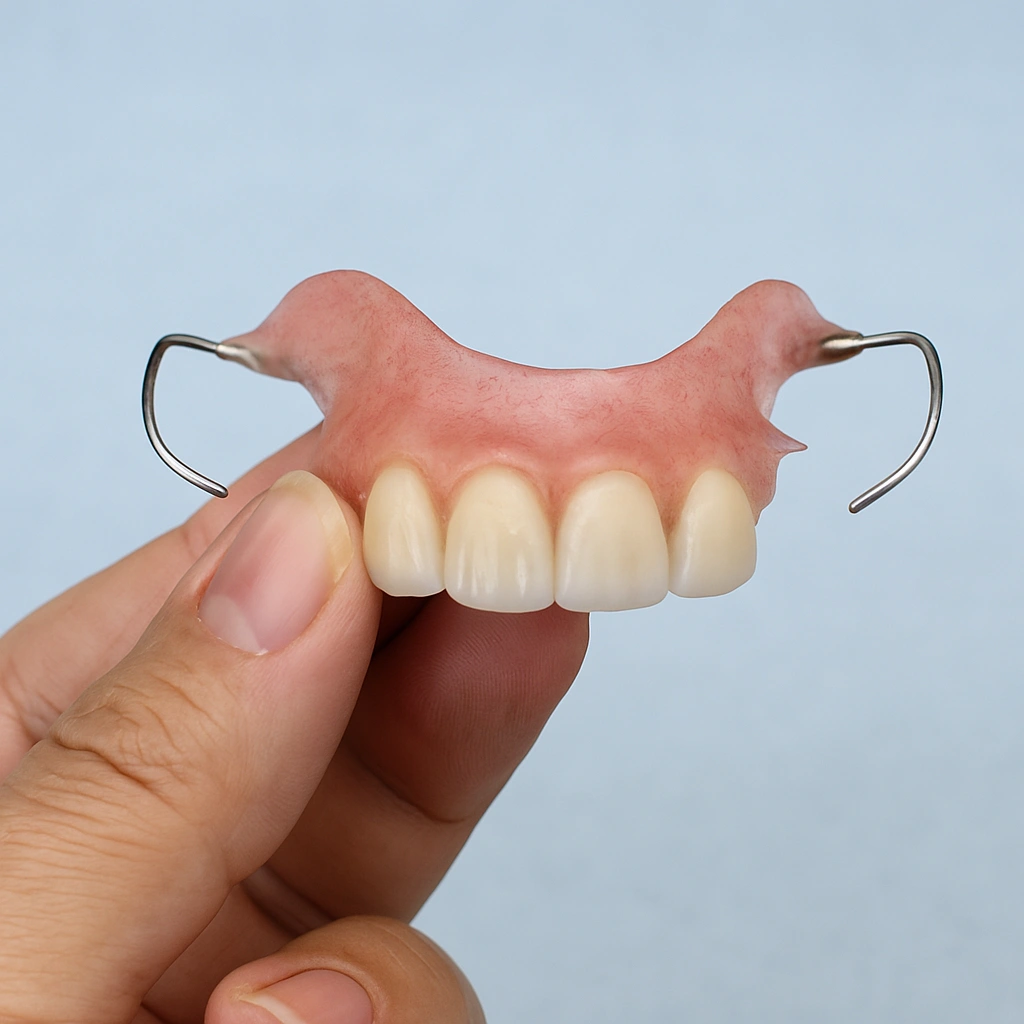
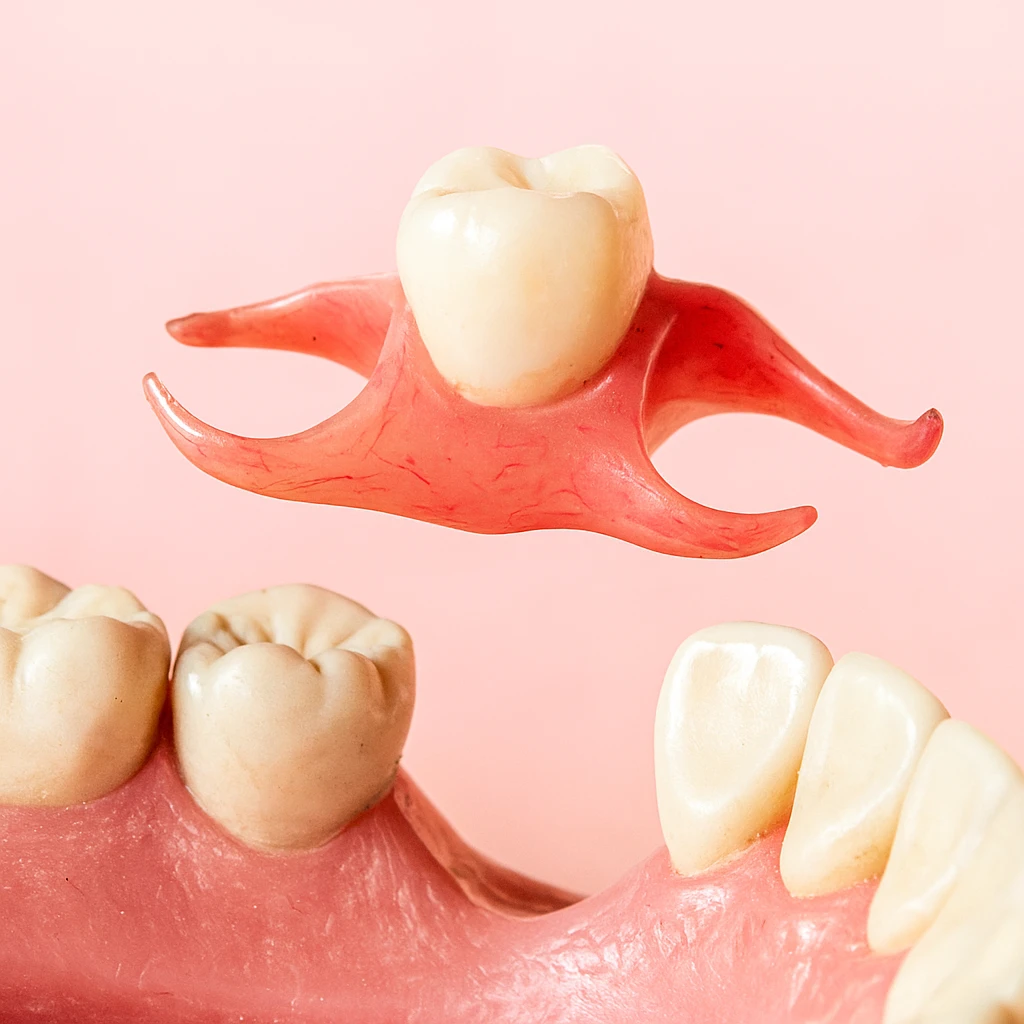
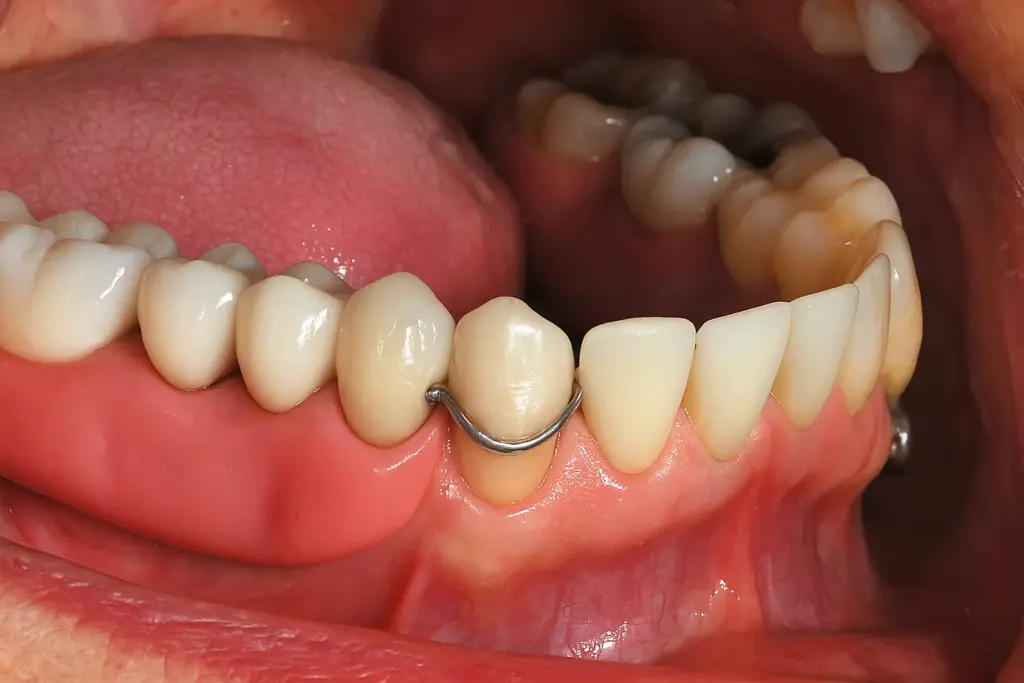
A dental flipper is a lightweight, removable dental appliance made of acrylic. Dentists use flippers to replace missing teeth on a temporary basis. The acrylic platform is usually in the color of the gums, and the replacement teeth are firmly fixed in it. A few small, invisible metal or acrylic clasps lightly wrap your current neighboring teeth and thus ensure the flipper stays in place and fits well.
Dentists may suggest dental flippers in support of various clinical situations, which are also quite beneficial for patients:
- Tooth Extraction Healing: After a tooth is extracted, the newly formed flipper fills the void, thus, protecting the place where the tooth used to be and allowing the gum tissue to heal properly without the risk of getting deformed.
- Pre-Implant Placement: In case you decide on a dental implant, a flipper will be the perfect temporary restoration until the implant post gets attached to the jawbone.
- Pre-Bridge Preparation: Just before producing a permanent dental bridge, a flipper can help keep the space between your teeth and thus, stop the unwanted shifting of them.
- Aesthetic and Functional Maintenance: With the help of a flipper, your facial appearance will be maintained, your speech will be clear, and your chewing will be supported, which will be at your disposal when you make the transition to a permanent dental solution.
One should acknowledge that a dental flipper is a temporary dental prosthesis. For a permanent, fixed replacement of missing teeth, implants or bridges are the options that will be discussed with your dentist, as they provide better durability and function.
The Essential Dental Flipper Code: CPT 52140
The present codes for medical procedures, known as Current Procedural Terminology (CPT®) are maintained by the American Medical Association (AMA). These standard codes are used by dental and medical professionals to indicate procedures and services for billing purposes and insurance communication. The appropriate CPT code for a dental flipper is 52140.
CPT 52140 is officially described as: Fabrication of a speech-aid prosthesis.
Though the official description spotlights its application for patients with cleft palate or other speech-related conditions, the entire dental community uses this code for any removable acrylic partial denture fabrication, including a standard dental flipper. The main aim of this is to ensure consistency in documentation and insurance claim processing for this dental service.
Why Knowing Code 52140 Is Important for Your Treatment?
Knowing this code can help you a lot during the treatment; in fact, it can directly improve your experience in the following important ways:
Clarity in Treatment Planning
Upon the review of your treatment plan estimation, spotting code 52140 is the confirmation of the provision of the service rendered to you thus, no room for ambiguity regarding the proposed appliance.
Correct Insurance Verification:
Prior communication with your dental insurance company regarding the CPT code 52140 and informing them about it will enable them to give you the most up-to-date details of your plan coverage, including co-payments or any annual maximums that may be for your use.
Informed Financial Consent
With full knowledge of the procedural code and the insurance benefits, you will be able to make healthcare-related financial decisions with confidence and without the need to worry about unanticipated costs.
Streamlined Provider Communication:
If you, your dentist’s office staff, and your insurance company all speak the same language, it would be easy, fast, and efficient communication without any misunderstandings and hence the process would be smooth and transparent.
The Clinical Benefits of Choosing a Dental Flipper
The decision to use a dental flipper brings you numerous major benefits not only for your short-term oral health but also for your general health and well-being. This tool is a great preventive measure that helps you keep your dental structure intact.
- Preserves Proper Tooth Alignment: Without a tooth, the two teeth on each side of the gap will undoubtedly start moving or tilting towards the empty space. This movement can lead to misalignments, which in turn will make oral hygiene more difficult and will affect your bite. A dental flipper plays the role of a physical restraint; thus it saves your natural teeth from drifting and holds them in their proper places.
- Protects Periodontal Health: The space left open by a missing tooth can easily become the area where food gets stuck and thus, you will be more prone to gum inflammation(gingivitis) and eventually periodontal disease. The flipper fits into this place and therefore food impaction is greatly limited and healthy gum tissue is promoted.
- Maintains Jawbone Integrity: The masticatory pressure exerted through a flipper is a gentle stimulation to the jawbone ridge under the lost tooth. This stimulation actually helps the process of bone resorption, i.e., the natural loss of bone that happens after tooth extraction, to slow down.
- Restores Confident Aesthetics and Speech: A flipper is thus a device that immediately brings back to life the optical aspect of your smile. At the same time, it substitutes the missing tooth structure that is mainly responsible for the correct pronunciation of sounds, so you are able to speak with confidence.
- Ensures Normal Chewing Function: Thanks to the flipper, the missing tooth will be replaced and thus you will be able to chew the food properly, on both sides of your mouth. This action of balanced chewing will help good digestion and will prevent overloading your other teeth.
A Step-by-Step Guide to the Dental Flipper Procedure
The steps of getting a dental flipper with the dental team will not take long and are straightforward.
Initial Consultation and Treatment Planning
A thorough dental examination, including all required X-rays, will be done by your dentist in order to figure out what you need specifically. A treatment plan will be made that explains the operation, the costs involved and the utilization of code 52140.
Tooth Preparation (If Needed)
Most of the time, the neighboring teeth will require little or no preparation. Should it be necessary, your dentist can make minor modifications to ensure the flipper’s clamps will fit comfortably and tightly on the teeth.
Precise Impression Taking
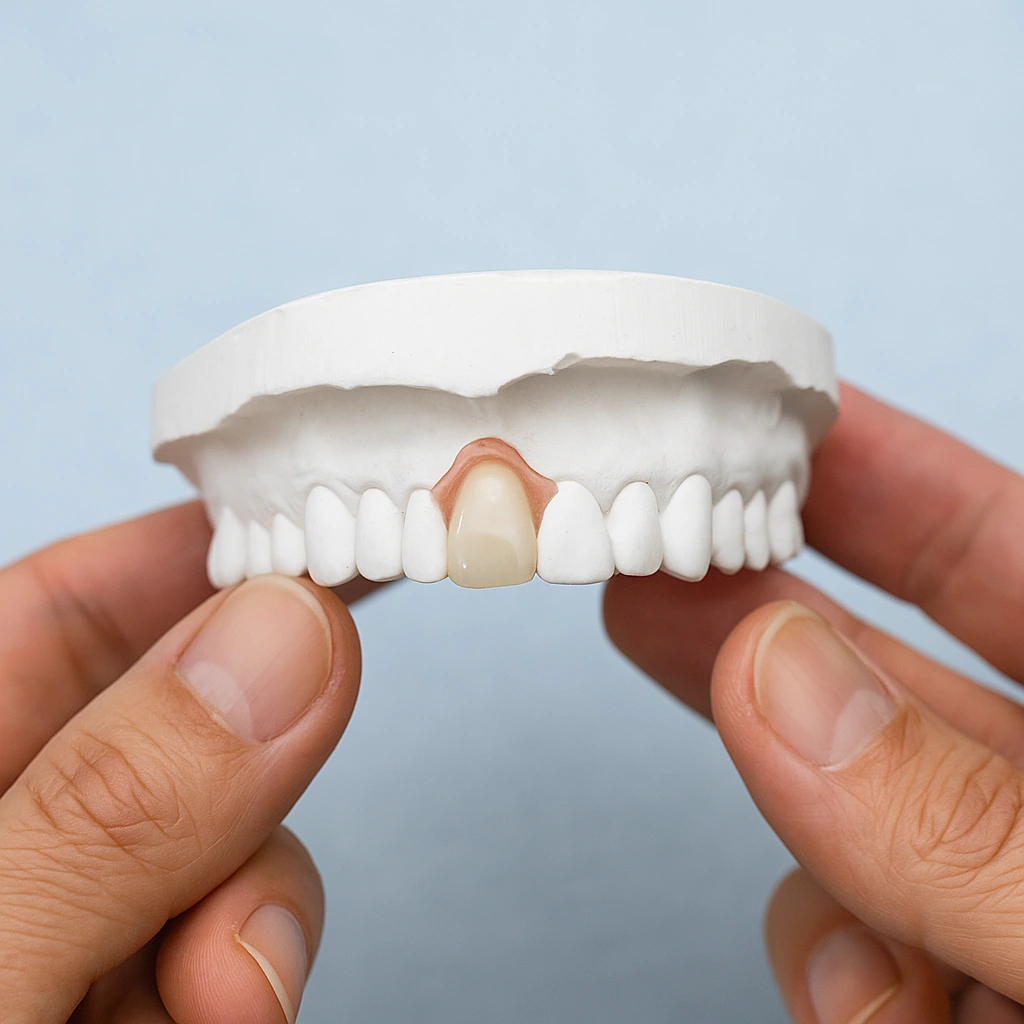
Your dentist will do a very detailed impression (mold) of your upper and/or lower dental arch. This mold is an exact copy of your teeth and gums, which is the dental laboratory’s guide.
Shade and Shape Selection
The color (shade) and form of the artificial tooth on the flipper that will match your real teeth perfectly for a visually pleasing result will be decided upon by you and your dentist.
Laboratory Fabrication
Using high-quality, biocompatible acrylic supplies and the provided details from the impressions and the specifications, a certified dental lab technician will prepare your custom dental flipper. Usually, this work lasts 1-2 weeks.
Delivery and Fitting Appointment
The time has come for the delivery appointment. You will be at the dental office once again. This is the moment when your flipper will be handed over to you. Your dentist will insert the flipper into your mouth, make sure it fits properly and if need be, do a minor adjustment to provide you with maximum comfort and retention. Besides this, you will be given detailed, step-by-step directions for the flipper’s care, how you should insert and remove it, as well as handle it.
Essential Care and Maintenance for Your Dental Flipper
The dental flipper is what makes a healthy part of the oral tissues when proper attention has been given. The daily maintenance that follows is what keeps it safe. If you take these safety precautions, you will be able to use your appliance to the maximum.
Daily Cleaning Protocol:
- Remove and Rinse After Eating: Flipper removal should be followed by rinsing it thoroughly with cold water after every meal to get rid of the food remains and dirt.
- Brush Gently Daily: The daily gentle brushing of the flipper ought to be done with a soft-bristled toothbrush and cold water. Regular toothpaste should not be used as the abrasiveness of the toothpaste can cause microscopic scratches on the acrylic, which will lead to the flipper being stained and taking on odors.
- Use Approved Cleaners: Denture cleansers should be used for soaking the flipper daily. The tablets used in this process remove the plaque, stains and bacteria and at the same time do not harm the acrylic material.
- Handle with Care: It is advisable to always clean your flipper on a soft towel or under water in a basin. This safety measure cushions the device and therefore causes no damage if the appliance is dropped accidentally.
Essential Usage and Safety Practices:
- Maintain Immaculate Oral Hygiene: Don’t stop brushing your natural teeth twice a day and flossing thoroughly. Ensure that special attention is given to the cleaning of the teeth onto which the flipper is fixed, thus preventing the occurrence of decay around the clasps.
- Remove for Sleep: Always remove your flipper when you go to sleep. Apart from the fact that this practice gives the necessary rest time to gum tissues, it also enables oral tissue health and thus helps in preventing potential aspiration risks.
- Store Properly When Not Worn: It is advised that you keep your flipper in a clean water container or a denture soaking solution when it is not in your mouth. If it is left to dry, the material can change its shape and may not fit properly anymore.
- Attend All Follow-Up Appointments: Keep regular dental check-ups as you have been doing. Your dentist will examine the fitting of your flipper, the health of your oral tissues, and the stability of your adjacent teeth, so he will make the necessary changes for your comfort and safety.
Potential Adjustments and Long-Term Outlook
The usage of a dental flipper will lead to natural changes of your mouth, especially in the area of the extraction. The period of getting used to the new appliance is normal.
- The Break-In Period: On the first days, you may notice more saliva or very little irritation. Usually, these feelings disappear when your mouth becomes accustomed to the new appliance. Your dentist can do simple changes to relieve a certain pressure spot if it bothers you.
- The Need for Relining: The bone and gums in the place of the extraction will be going through the process of resorption, i.e., they will be getting smaller over the course of several months. This may cause the flipper to not fit properly. The dentist can perform “relining,” which involves fitting a new layer of acrylic on the underside of the flipper, thus, by heating it up, giving a tight and comfortable fit.
- Transitioning to a Permanent Solution: Do not forget that a dental flipper is just a provisional restoration. The dentist will advise you when it is time for a permanent tooth replacement, such as an implant or bridge, thus, taking care of your oral health in the long run.
Conclusion About Dental Flipper Code
The dental flipper, which is represented by the code CPT 52140, is a great and efficient dental tool that can be used as a temporary replacement for missing teeth. It is a positive move towards preserving your oral health, keeping the aesthetic of your smile, and restoring the function. Aware of the operation, the respective coding, and engaging in an intensive daily care routine, you will be able to manage your treatment with utter confidence. Such insight is a way to ensure that you get the optimal result, which is a healthy mouth on your way to a stable and long-lasting smile solution.
Sources:
- American Dental Association (ADA). (2023). Current Dental Terminology (CDT). American Dental Association.
- American Medical Association (AMA). (2023). CPT® (Current Procedural Terminology). American Medical Association.
- Zarb, G. A., Hobkirk, J., Eckert, S., & Jacob, R. (2013). Prosthodontic Treatment for Edentulous Patients: Complete Dentures and Implant-Supported Prostheses. Elsevier Health Sciences.
- Phoenix, R. D., Cagna, D. R., & DeFreest, C. F. (2003). Stewart’s Clinical Removable Partial Prosthodontics. Quintessence Publishing.
Frequently Asked Questions (FAQs) About Dental Flipper Code
A dental flipper is a lightweight, removable temporary partial denture made from acrylic. It is designed to replace one or more missing teeth during the healing process after an extraction or while waiting for a permanent dental prosthesis like an implant or bridge. Its primary benefits include maintaining your smile’s appearance, preventing adjacent teeth from shifting, and protecting healing gum tissue.
The standard dental code for repairing a dental flipper is CPT Code 52141. This code is specifically used for the “Repair of a speech aid prosthesis,” which, in dental practice, applies to fixing a removable acrylic partial denture like a flipper. This code covers common repairs such as fixing cracks, reattaching a prosthetic tooth, or adjusting a clasp.
With diligent care and proper maintenance, a dental flipper can provide reliable service for one to two years. Its longevity depends on factors like oral hygiene and changes in your mouth’s structure.
Many dental insurance plans offer partial coverage for a flipper, often classifying it as a “prosthetic” or “minor procedure.” Coverage levels vary significantly between plans. We strongly recommend contacting your insurance provider directly with CPT code 52140 to verify your specific benefits and out-of-pocket costs.
You can eat with a dental flipper, but we advise a period of adaptation. Start with soft foods cut into small pieces. Chew slowly using both sides of your mouth simultaneously to stabilize the appliance. Avoid hard, sticky, or chewy foods, as they can dislodge or damage the flipper.
The process of taking impressions and fitting the flipper is generally comfortable and non-invasive. You may feel minor pressure during impression taking, but it should not be painful. Any initial sore spots after delivery can be quickly resolved with a simple adjustment by your dentist.
A dental flipper is a temporary appliance made entirely of acrylic. A permanent partial denture is a long-term replacement, typically featuring a metal framework for added strength and durability, and is designed for years of service.

