How can any person despair from being in a situation where someone else tells you that you have impacted wisdom teeth? Have you ever thought that wisdom teeth are the culprit? Do not panic because you are not a freak of nature. Here is a prime example of something hard to understand but correct. Wisdom teeth, which are also known as the third molars, are the last pair of grade A molars to come out, which could happen at the age of 17 to 25 years. These teeth are unwelcome, ungratefully neglected, treated with disrespect, and sometimes not managed correctly by the body. Here is where the term impacted is illustrated for you.
What Are Impacted Wisdom Teeth?
Wisdom teeth that fit the label of impacted are the ones that have not grown properly or effectively due to the limited space that is availed for the growth of the teeth. Aside from being <> like others in the same parking lot following a ticket order, moving aside as stated, it is difficult to see these molars on the wrong side. Adjoining teeth are blocked; they remain in the jaws or are just partly cut through the eclipse never lived in the wit of a complete human being. With all this description of impacted teeth, it can be concluded that these are teeth with poor or zero chances of developing normally.
There are different forms of impaction:
- Horizontal impaction (grows sideways)
- Vertical impaction (stays upright but trapped)
- Mesial impaction (angled toward the front of the mouth)
- Distal impaction (angled toward the back)
These odd angles not only render these teeth useless and difficult to clean, but also can cause devastating dental issues. It may be that other people face problems like pain, recurrent infections, swollen tissue, and even damage to the sleeping teeth. This may naturally attempt to lead to poor hygiene in the mouth and greater discomfort.
Wisdom Teeth Removal: Impacted Tooth?
Your surgeon would use wisdom teeth, which are crowded and have been damaged, as a reason for administering an extraction procedure. They believe that the best preventive measure may be a surgical intervention to avoid or correct potentially major dental anomalies in the future. If a person leaves these teeth developing no proper medical care, he is in the high-risk zone for problems like these:
- Gum infections and cysts
- Jaw pain and pressure
- Tooth crowding
- Damage to other molars
The extraction method for these second molars that are impacted involves extraction. The dental provider, whether it is a dentist or a medical doctor, will make a carefully calculated cut in the gum and sometimes break the tooth into several pieces, and very carefully extract each tooth from the gum. Since this procedure is minimal, the patient may suffer minimal pain compared to the pain suffered due to wisdom teeth, which can become very annoying. Indeed, healing is very fast since most people recover completely within a week or so.
Are Impacted Wisdom Teeth Harder to Remove?
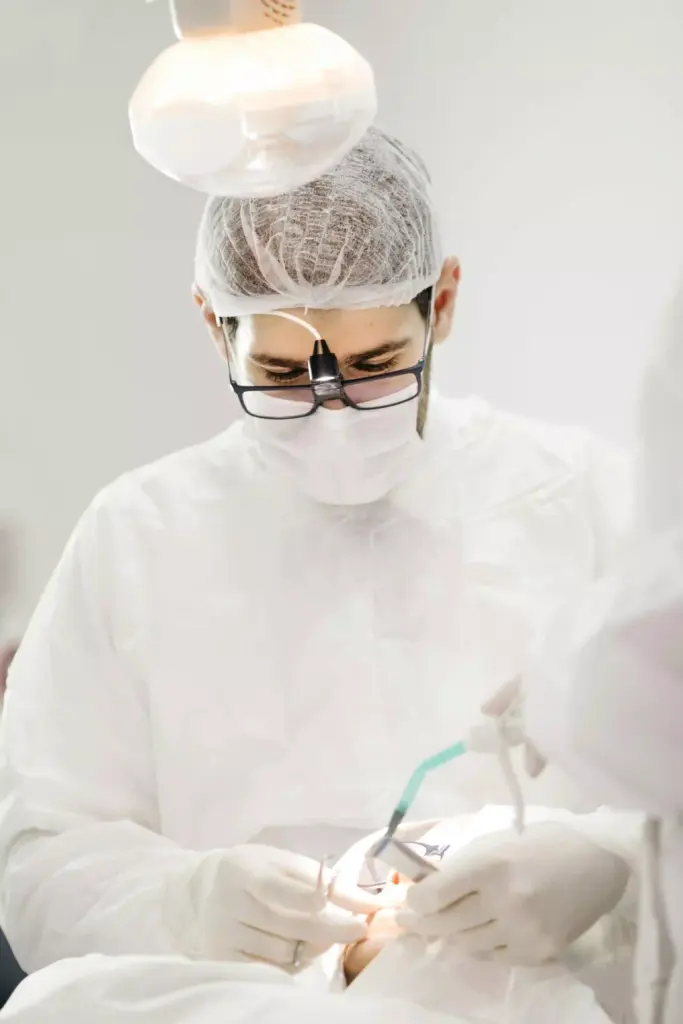
When it comes to the removal of teeth, the process of getting rid of wisdom teeth, which are impacted in the mouth, is necessary. However, there is a concern as to whether this process is a complicated one or not, with the claim that impacted wisdom teeth are always more difficult to extract than those that are fully evolved. The reason for this is that when such teeth are in a different position in the mouth, they may be unable to perform a natural physical or practical function, and fixing or correcting them becomes impossible. This means that the dentist may need to perform more complex surgery compared to a regular extraction. So it is highly recommended that one seek a dentist to remove that wisdom tooth immediately if they have one that is not positioned properly and hence, is causing them great discomfort.
Yet, as it is an operation or a simple surgery that many people have undergone, there is no need to be worried about it. Typically, an experienced dental surgeon can remove even an impacted wisdom tooth safely. A general anesthesia or local anesthesia may be used to put the patient in a state where the entire tooth removal procedure is painless. With modern sedation dentistry and anesthesia techniques, patients will feel almost no pain and won’t be aware of the procedure when done.
After the procedure, some people may have a longer recovery process, while there may be some signs of swelling. This recovery process should not worry the patient because it is simply the way the body reacts to a difficult extraction. The key is that following the simple doctor’s instructions during the recovery period will accelerate the healing process and help the patient to get back to normal life as fast as possible.
Wisdom Tooth Extraction at Lema Clinic: Safe and Painless
At Lema Dental Clinic in Istanbul, wisdom tooth removal is done with precision and thoroughness by a qualified team of oral surgeons who have performed hundreds of such procedures with extraordinary results. Such specialists have experience that allows them to apply innovative approaches in removing impacted wisdom teeth using advanced imaging technology and minimally invasive techniques. This means that during the procedure, the patient experiences minimal trauma and less discomfort. In addition, thanks to our professional and innovative dental team, modern technology is available in the most up-to-date form in our treatments.
Frequently Asked Questions About Impacted Wisdom Teeth
Wisdom teeth get impacted when the jaw does not have enough space for them to grow properly. They might be coming in diagonally or be confined under the gums.
It is not always necessary, but most of them do need to be removed if they cause pain, swelling, infection, or damage to neighboring teeth. Your dentist will decide after assessing the position and health of the tooth.
Most individuals are back to normal within 3 to 7 days. Swelling and aching are mild and usually disappear in a week.
The process itself is not hurting, all thanks to the use of anesthesia. You might feel a bit numb afterwards, but the ache can be controlled through medication and taking care.
You will most likely need a day or two to rest. The majority of people resume their previous day-to-day activities within 2–3 days, depending on the seriousness of the extraction.