


Warm water, gentle rinsing, and a soft brush help dissolve and clean denture adhesive from gums.
Each week, patients come to us with the very same complaint. They enjoy the firm hold of their denture adhesive at mealtime. However, they absolutely dread the end-of-the-day ritual. Having to scrape nasty glue off uncovered gums is a total downer!
Removing hard glue is very much like peeling off wallpaper that has been stuck for a long time on a dried wall. If you simply grab it and pull, you will end up damaging the wall under it. In the mouth, that vulnerable “wall” is your soft gum tissue.
As a matter of fact, most dental adhesives consist of polymers which are essentially tiny dried sponges. When these polymers come into contact with the saliva, they absorb it and expand to form a seal so tight. Since the adhesives require water to be activated, a single cold water splash won’t weaken the glue one bit. In fact, it is the trio of heat exposure, gentle rubbing, and sufficient time that will lead to the effect.
The Best Ways to Break the Glue Bond
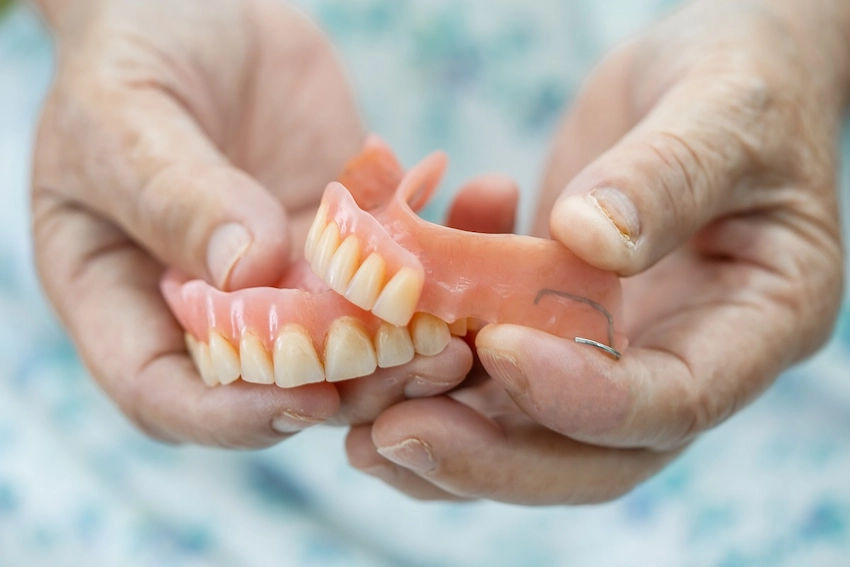
Sometimes the patients come to us worried about how to get rid of such stubborn paste without damaging the soft tissues. They want to maintain the integrity of their tissue while simultaneously removing the strong chemical bond.
This is typically what we observe in the treatment room:
- Warm Water: You can’t do a better friend than heat! First of all, warm water helps to penetrate and break down the consistency of the paste. Secondly, rinsing your mouth with very warm (not hot) water for at least one minute would be like taking your gums on a spa steam treatment.
- Salt Water: Mix a tablespoon of salt into your warm water. Salt is a natural dehydrator, which further aids in loosening the very tight suction seal.
- Rubbing the Glue Out: Avoid using stiff toothbrushes. Instead,d opt for an ultra-soft baby toothbrush or simply cover your finger with a warm, damp washcloth. Then gently rub your gums in order to get rid of the paste.
- Mild Mouthwash: Alcohol-free and gentle mouthwash can quickly lift away the sticky film, while at the same time giving your mouth the moisture it needs.
Dissecting Your Possible Choices for Cleaning
Let’s explore how to clean your mouth without damaging your gums. A good stick should be fast-acting yet gentle enough to keep your gums healthy.
| Removal Method | How It Works | Safe for Gums? | Time Needed |
| Warm Salt Water | Heat softens the paste | Very Safe | 2-3 minutes |
| Soft Washcloth | Gentle rubbing | Very Safe | 1-2 minutes |
| Baby Toothbrush | Light scrubbing | Safe | 2 minutes |
| Mild Mouthwash | Lifts the sticky film | Safe | 1-2 minutes |
Getting Rid Of Daily Glue
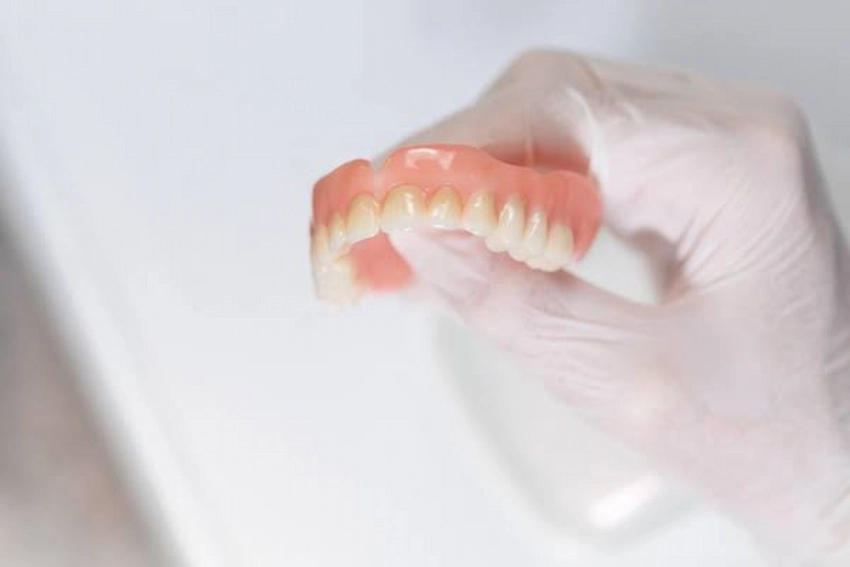
Anyway, the real question is why is it necessary to use so much paste?
At Lema Dental Clinic in Turkey, we believe that a quality denture requires little, if any, denture adhesive. In fact, the jawbone is like the sturdy basement of a house. When there are no teeth, the jawbone shrinks gradually, and that makes the foundation of the house weaker. Moreover, the denture will become loose and unstable. So, such people keep on using more and more denture glue to fill that gap.
Professor Doctor Coşkun Yıldız often points out that heavy glue is just a temporary fix for a major underlying issue. The regular nightly removal of thick glue paste can cause gum irritation in the form of swelling, redness, and even painful sores.
You still have to decide: are you going to be stuck with paste usage forever?
Dentist Polen Akkılıç and her team are committed to helping patients put an end to the problems of loose dentures. Currently, they heavily depend on methods such as All-on-4, All-on-6, and Zygomatic implants. Teeth are attached to synthetic roots that are implanted in the jawbone. This way,y bone loss is eliminated. Besides this, because the teeth are permanently fixed, patients can get full taste sensation and no longer have to say hello to daily adhesive scraping!
Frequently Asked Questions
Why is the paste so hard to clean off?
The glue works like a dry sponge. First, it soaks up your saliva, and then that is what helps the glue to get closed tight. It has been made deliberately to resist water and be able to last the whole day through chewing and other activities. Because it is very powerful, you will require warm water and comfort in doing so for breaking that closure.
Can I use normal toothpaste on my gums?
You really shouldn’t do this. Toothpaste in general has tiny abrasive particles that help clean hard surfaces like teeth. Putting it on your gums, which are soft tissues, would be like scrubbing with very rough sandpaper. I’d say it’s best to just use warm water along with a really soft cloth
Is it bad to swallow the paste?
Swallowing a small amount unconsciously with your meal is fine. Excessive use of adhesive every day can have side effects. Some adhesives contain zinc. Its excessive intake over a while can result in some adverse effects. So, always make sure to clean your mouth and teeth thoroughly.
What if the glue still will not come off?
If that is the case, give your mouth a break. Start with warm water, a gentle rub, and then let it go for the night. Your own natural saliva will take care of the rest of the film safely while you are sleeping.
How can I stop using glue for good?
The surest way is to get your teeth fixed on a permanent basis. By means of dental implants, a fixed zirconium bridge is anchored to your jaw. It remains safely in your mouth so you will never need adhesive anymore, and it will feel exactly like your natural teeth.
Academic References
- Grasso, J. E. (2004). Denture adhesives: changing attitudes. The Journal of the American Dental Association, 135(1), 81-86.
- Coates, A. J. (2000). Usage of denture adhesives. Journal of Dentistry, 28(2), 137-140.
- Magalhães, C. B., Machado, A. L., Pavarina, A. C., & Vergani, C. E. (2012). Cytotoxicity of denture adhesives. Clinical Oral Investigations, 16(3), 931-938.
- Misch, C. E. (2014). Dental Implant Prosthetics (2nd ed.). Elsevier Mosby.
- Zitzmann, N. U., & Marinello, C. P. (2002). Treatment plan for restoring the edentulous maxilla with implant-supported restorations: Removable overdenture versus fixed partial denture design. The Journal of Prosthetic Dentistry, 88(4), 478-487.

