


The most common reason for the development of rotten teeth is the fact that they are well decayed due to present untreatable factors such as poor oral hygiene, high sugar diets, and harmful bacteria hence have low resilience to the infected teeth. Regular brushing, flossing, and dental visits are essential to oral hygiene as they help individuals to take good care of their teeth and also seek treatment early enough when the rotten teeth have not developed to an extent that they can suffer too much pain.
If you do not want to suffer from such painful experiences in life as well as if your teeth have an issue of decline or impure oral hygiene, the combination of bad sugar diets and harmful bacteria, it is important to understand the morals behind this and why it is very important to.
Some of these factors include; inappropriate oral hygiene, high consumption of sugar, and consumption of drinks or foodstuffs produced by sweeteners are the major ingredients that make bacteria’s growth more rampant and death rates of human teeth to be on increasing. In response to many kinds of rotten teeth, possible cures are revealed, and an individual’s ability to sustain his and her dental health on the right pathway is very much evident in this article.
What Causes Rotten Teeth?
Commonly known as dental cavities, rotten teeth are a serious problem in dental care most of which leads to the painful experience in the mouth due to the metabolic waste of acids produced by the bacteria in the mouth and the sweetening of the food or drink consumed. If continued, this may lead to erosion of the teeth’s anticancer coat, which is called enamel, and the subsequent decay. Understand the causes of a rotten tooth and proper care so as to maintain proper tooth health. Below are some of the key causes of rotten teeth;
- Inadequate Oral Hygiene: Ensuring efficient cleaning of your teeth through brushing and flossing on a regular basis to eliminate plaque and organisms from the teeth.
- High Sugar Food intake: Everyday take in large amounts of sugars as from sweeties and drinks which are the principal supply of nutrients to bacteria.
- Low Fluoride Content: Fluorine applied to the teeth surface to aid in enhancing enamel resistance and strengthen the teeth hence leading to minor forms of tooth decay.
- Dry Mouth: The production of insufficient saliva adversely affects the mouth and may predispose someone to decay – saliva helps to neutralize and add the teeth’s healing ability by combating acids and letting away food particles.
Effects of Poor Oral Hygiene on Rotten Teeth
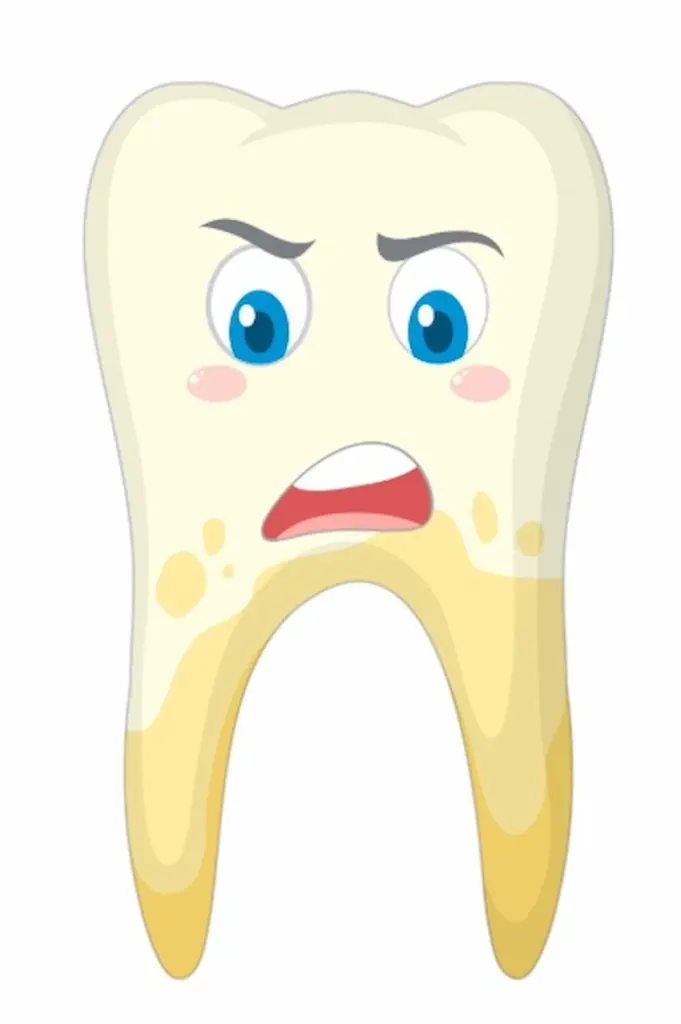
Poor oral hygiene is the primary cause of tooth issues and it can lead to further complications. It is imperative for one to keep the mouth clean by taking regular brushing like twice a day and daily flossing in order to remove plaque and bacteria from the surfaces of the teeth. However, if you fail to take care of your teeth properly, this will lead to attacks from things supporting the decay of your teeth as well as many other disease-causing agents. Some of the possible adverse impacts of poor oral hygiene on your teeth are as follows:
- Tooth Decay: Unsigned teeth are very vulnerable to bacteria that attack outer surfaces, the enamel coating gets thin – and starts to decay.
- Cavities: If tooth-decaying bacteria hide in the plaque unchecked for long enough, these cavities might be quite problematic and require urgent correction.
- Bad Breath: Untreatable rotten teeth emit an unpleasant smell because of the treatment focused around dead tissues andCavities: One of the most common problems is cavities which might be caused by neglecting brushing on a daily basis, and when cavities become deep there is sure to be pain and discomfort.
- Gum Disease: Gum diseases like gingivitis and periodontitis are caused by poor oral hygiene since people overlook their brushing and flossing habits. These conditions can cause inflammation of your gums, making them swollen, tender, bleed easily, and hurt
- Cavities: Among the most prevalent issues is rotten teeth which is very likely to result from not brushing regularly and in the case of deep tooth decay, there will certainly be pain and discomfort. In this situation, you will have to go in for fillings if your cavities are deep and large to ease your oral problem; it is a good idea to make an appointment as soon as possible so that cavities can be treated and a lot of pain can be circumvented.
- Gum Disease: Gum diseases like gingivitis and periodontitis are caused by poor oral hygiene since people overlook their brushing and flossing habits. These conditions can cause inflammation of your gums, making them swollen, tender, bleed easily, and hurt.
Importance of Regular Dental Check-ups
Missing timely dental appointments and check-ups may lead to severe problems in the teeth’s health and therefore, it is essential and quite necessary to visit a dentist on regular appointments to have an early indication of dental problems and get treated on time and also, to maintain proper oral hygiene and to prevent conditions like tooth decay or other problems.
Visiting a dentist for regular check-ups and cleanings (at least twice a year) allows the patient to know the state of their teeth, and their rotten teeth will be mechanically cleaned by the dentist since the process of brushing may not be adequate to remove some deposits like plaque and tartar. Regular check-ups further give the dentist an opportunity to observe the gums and teeth and to tell if there are any signs of gum diseases, dental decay, or any other oral issue that may become severe thus making the treatment complicated and expensive.
Early Detection
Regular appointments make sure that a dental issue is caught while still in its initial stage hence the issues do not develop destructively or develop into larger issues that would require a lot of work and cost quite a bit. For instance, if the dentist noted that there were cavities, he would be in a position to treat them early, even doing a filling only as opposed to the tooth being seriously damaged where several procedures would have to be done.
Common Symptoms of Tooth Decay

Tooth decay is a dental issue that usually shows several striking signs that when seen one may suspect the presence of decay in the teeth. In addition to other indications, affected persons often experience continuous sensitivity in the teeth while eating or drinking from hot, cold, or sugary sources.Furthermore, those that suffer from tooth caries usually endure toothache that is mostly moderate but at other times can be agonizing.
Another identifiable indication of progressive rotten teeth is change of color or discoloration of the surface of the tooth which can be seen as white spots, brown spots, or pitted black spots. Bad breath or a persistent sour taste in the mouth are other symptoms to further confirm tooth decay. If you observe any non-theoretical symptoms or signs of tooth corrosion, it is paramount to seek the help of dental care specialists as soon as possible to avoid any further deterioration of your precious teeth.
Treatments for Rotten Teeth
When encountering teeth that are decayed, efforts must be made to manage them depending on the severity of the dental decay that has occurred. There are many different methods of treating this problem depending on recommendation by the qualified dentist. Some of the popular treatments are:
- Fluoride Treatments: In the early stages of rotten teeth, fluoride treatments can be used to apply topical mineralization to the teeth enamel with hopes of reversing the decay before it starts breaking the enamel down.
- Dental Fillings: When a cavity forms in a decayed tooth, remedial dentists generally scrape away the decayed part and eventually fill it using materials like composite resin for near-imperceptibility, amalgams that have been in use for quite a time, or gold although expensive but very durable.
- Dental Crowns: When significant decay occurs crowns can be used as caps placed over the affected tooth made out of porcelain, ceramic, or metal to rescue its original shape and function therefore providing strength and improving appearance.
- Root Canals: When deep-seated rot infects the bone marrow within its pulp , roots are done where the artist removes tissues that have been stained and filled for the protection of the pulp cavity.
- Extractions: When the circumstances are dire, and a tooth cannot be salvaged or treated then denture therapy is the last alternative where the dental professional says the tooth must be removed, treatment options for the gap include dental implants or dental bridges as restoration alternatives for the traditional natural appearance.
The best way to stay away from all kinds of dental issues is to develop a regular habit that includes setting aside time for dental check-ups and preventive care. Dental doctors also reaffirm regularly that taking care of one’s teeth properly daily.
Frequently Asked Questions About Rotten Teeth
Rotten teeth, or tooth decay, are primarily caused by poor oral hygiene, excessive sugar intake, and harmful bacteria. These factors lead to plaque buildup, which produces acids that erode the enamel and cause cavities.
Preventing rotten teeth involves maintaining a regular oral hygiene routine, including brushing twice a day, flossing daily, and visiting your dentist for regular cleanings. Reducing sugar intake and avoiding acidic foods can also help protect your teeth from decay.
In the early stages of tooth decay, the damage can be reversed with fluoride treatments and proper oral hygiene. However, once the decay progresses, it usually requires professional intervention, such as fillings or crowns, to restore the tooth.
Common symptoms of rotten teeth include tooth sensitivity, pain while eating or drinking hot, cold, or sugary foods, and visible discoloration such as white, brown, or black spots on the teeth. Bad breath and a persistent sour taste can also indicate tooth decay.
Home treatments like fluoride toothpaste and mouthwash can help prevent further decay and manage symptoms of early tooth decay. However, advanced cases of rotten teeth require professional dental treatment, such as fillings or crowns.
Treatment for rotten teeth depends on the severity of the decay. Options include fluoride treatments, dental fillings, crowns, root canals, or extractions. A dentist will assess the condition and recommend the most appropriate treatment.
The recovery process depends on the type of treatment you receive. After fillings or crowns, patients may experience some discomfort or sensitivity, but it usually subsides within a few days. Root canals or extractions may require a longer recovery period with additional care and follow-up visits.
To maintain good oral health, brush your teeth twice a day with fluoride toothpaste, floss daily, and avoid sugary foods and drinks. Regular dental check-ups and professional cleanings will help keep your teeth and gums healthy.
The cost of treating rotten teeth varies depending on the severity of the decay and the treatment required. Simple fillings can cost between $100 to $300, while more complex procedures like root canals or crowns may range from $500 to $2,000 per tooth.
Yes, untreated rotten teeth can lead to more serious health issues, including infections that may spread to other parts of the body. Gum disease and tooth infections can also affect your heart health and contribute to other systemic conditions. Regular dental care is essential to prevent these risks.

