


What Are the Types of Braces?
First, let’s get everything straight. If your naturally developed teeth appeared to be a little overly crowded, somewhat crooked, or too widely spaced, then you are certainly not the only one. Although natural teeth may seem perfect, in most cases, they are not even half as good when it comes to the function or the aesthetic side of things. And guess what, you get much more than just a grumpy “okay”. You get a smile that is not only brilliant, bright, and balanced, but it’s also yours, and the smile sometimes starts from the use of braces.
What once was a single stylistic drawback of braces has been solved by the advanced dental technology of today. You get to choose what is best for your lifestyle, goals, and even your fashion sense from a vast variety of options. If you want to be completely invisible or just show off your classic metal style, the fact is that is exists a type of brace for you.
The list is as follows:
- Metal Braces: Those are the original ones. Constructed of high-grade stainless steel, they are very durable, reliable, and usually the most economical choice. Today, the classic metal braces are not only smaller but also less visible and more comfortable than they used to be.
- Ceramic Braces: These braces do the same as the metal ones, only use transparent or tooth-colored brackets that are not noticeable because they are very close to your teeth color. Just imagine, if you are someone who, all the way through the process, just wants to take a low-key approach while still getting results, then probably ceramic braces are your best bet.
- Lingual Braces: Are you looking for a treatment that is not visible at all? Lingual braces are the ones that fix at the back of your teeth so that no one can see them. They are made especially for each patient and are excellent for people who are in front of a camera or stage.
- Clear Aligners (like Invisalign): No wires. No brackets. Just a set of transparent, detachable trays that gradually straighten your teeth. Those who adore the maximum number of freedoms along with the minimum number of interferences are adults and teens clear-aligner users.
At Lema Dental Clinic, Istanbul, you will be given professional advice to select the suitable braces for your needs. Their dental staff, equipped with top-notch technology and a patient-centered approach, will make your treatment convenient and elegant.
What Are the Benefits of Braces?
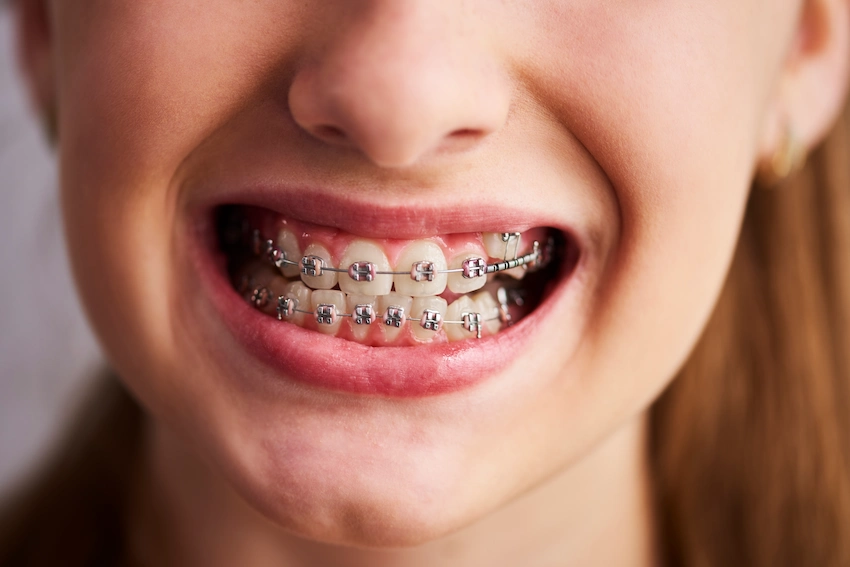
Do you still think that braces are only used to beautify one’s teeth? No, they are not only for the looks. The orthodontic treatment is for your health, confidence, and even your future, not just for the pictures you will take of yourself.
Misaligned and crowded teeth make it difficult to clean the mouth properly. The result is gum inflammation and cavities that can be numerous enough to make you frustrated. In addition to correcting those alignments, braces allow the patient to maintain oral hygiene with less effort and stop the development of larger problems, such as gum disease or tooth loss.
Furthermore, braces can deal with the problem of the bite. The causes of the problems with the mouth or even of breathing are overbite, underbite, and crossbite. The correction of the bite leads to the elimination of the jaw pain, few or even no headaches, and better digestion of food.
Moreover, the main benefit of the braces is confidence. When your smile is straight, bright, and symmetrical, you naturally feel more empowered. Lastly, if this is not enough for you, Lema Dental Clinic provides the smile of your dreams with veneers, implants, and the very famous Hollywood Smile that celebrities and influencers are always posting about. Simply by the changes on your teeth, you can turn your life around.
When Should Braces Begin?

If you are curious about the orthodontic treatment, the answer to the question “When should braces begin?” is the following: The sooner the better, but it is never too late.
An hour of an orthodontist’s work starts with a recommendation of a child evaluation timetable at the age of seven, although the baby teeth are still in place. The intervention at an early stage can point out the scale of the jaw and thus avoid bigger problems later on. Teenagers get the green light most of all because their skeleton is still growing, and therefore, the teeth can be moved faster and more easily.
However, grown-ups, please do not eliminate the possibility of yourself. The trend of orthodontic treatment among adults is on the rise. More and more people in their 20s, 30s, 40s, and 50s are opting for braces. The fact is, if you never had the opportunity to straighten your teeth when you were a teenager or your teeth have moved, it is completely okay and quite effective to wear braces for adults.
The majority of adult patients usually combine orthodontic treatment with veneers, dental implants, or cosmetic dentistry of the Hollywood Smile variety. At Lema Dental Clinic, they will tailor your treatment plan to suit your age and also guarantee your amazing outcome.
How Are Braces Applied?

Is getting braces something that still scares you? Then don’t be scared, the whole thing is hardly ever bad, and we have a way better know-how.
After that comes the evaluation of the teeth. At Lema Dental Clinic, the first step of your journey will be an orthodontic exam that includes complete digital scans, panoramic X-rays, and an individualized plan created only for you. After this, the introduction depends on the kind of work that you want to do with your mouth.
With metal or ceramic braces, the doctor will clean and prepare your teeth for bonding brackets to them. Then they will put the wire in that runs through the brackets and secure it with a small rubber band. This procedure usually lasts 1–2 hours.
Installing lingual braces will take more time because they are located behind the teeth, so you have to custom-fit and shape them for each tooth. You will get your trays for clear aligners one at a time and will only be able to change the trays every 1–2 weeks, so your teeth will be slowly moved to the correct position.
There might be some pain after the procedure, but it goes away very fast. The Lema Dental Clinic team, with their full support, is here for you from the moment of pain until the end of the journey, providing you with everything you need, such as pain relief tips and oral care products.
How Long Do Braces Last?
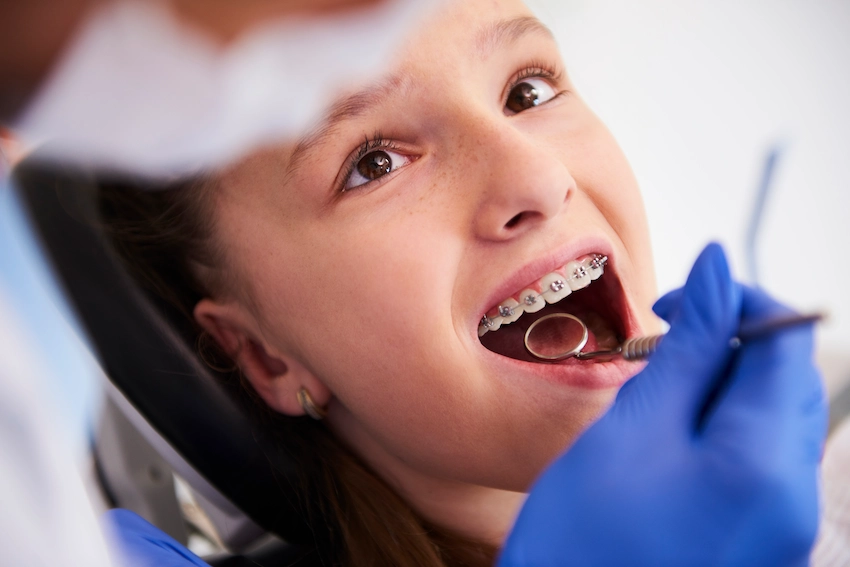
Sure, no one wants to have braces on for a lifetime, but we all need to realize that the treatment duration completely depends on a case-by-case basis. Typically, the majority of treatment lasts 1 to 2 years, where the duration can be reduced to 6–12 months if the correction is minor.
Time is impacted by your choices of the following:
- Your age (younger patients are usually quicker)
- The type of braces you selected
- The severity of your misalignment
- How well you complied with the orthodontist’s advice
After the removal of your braces, the real fun starts. First of all, your teeth will be aligned, your smile will be changed, and most probably, you will want to celebrate with a new look. And this is the moment when Lema Dental Clinic becomes your real ally. Their aesthetic specialists make an offering of everything, ranging from whitening and reshaping to veneers and implants, so that you can complete your treatment with the perfect Hollywood Smile, which you have always dreamt of.
FAQ: What Are the Types of Braces?
There are a few main categories of braces: metal, ceramic, lingual, and clear aligners such as Invisalign. Different people choose different ones, mostly for their varying pros of visibility, comfort, and price.
Of course, all braces will help you have better oral health as they will fix your alignment and bite issues. People put aligners in as the most hygienic option due to their removability and the fact that they are very easy to clean.
You will be required to not eat certain foods, keep good oral hygiene, and follow your dentist’s instructions. Without regular check-ups and adjustments, the treatment will not be successful.
Do careful brushing after every meal, don’t forget to use a flosser and fluoride rinse. Special orthodontic tools that can get in between the brackets and wires can be used for cleaning purposes.
The minimum age for getting braces is 7 years old. Any adult, regardless of age, can also have an orthodontic treatment if it is well planned.

