


Gum inflammation, bleeding, and pain.
Peri-implantitis is an inflammatory condition that disrupts the tissues that give structural support to a dental implant. The illness causes the implant to lose its bone. Most of the time, the initial signs of peri-implantitis are so vague that only a swelling, redness, and bleeding of the implant area can be noticed.
Patients can feel discomfort, and some may even say that chewing or touching the implant area causes them pain. In addition, this complaint can also be accompanied with continuous bad breath or an unpleasant taste resulting from microbial infection. Finding the disease at an early stage is very important because the infection, which is the main cause of peri-implantitis, not only will implant it but also be bone around the dental implant.
How to Detect Peri-implantitis?
Peri-implantitis is a pathological inflammatory reaction that involves both soft and hard tissues around a dental implant and it may lead to swelling of the gums, bleeding, and bone loss in the terminal stages. The first point where this disorder is detected is the most vital factor in rescuing the living plant from dying. These are the signs that indicate peri-implantitis presence:
| Signs of Peri-implantitis | What to Look For |
| Gum Inflammation | Gums were red and swollen around the implant, and sometimes, they also bled. |
| Increased Pocket Depth | Pockets around the implant have become deep and are not easily cleaned. |
| Loose Implant | A slight bone loss has caused the implant to move/dislodge. |
| Pain or Discomfort | Pain or sensitivity could be felt in the implant area, which can be relieved by chewing or massaging the area. |
| Bad Breath (Halitosis) | Persistent bad breath or a foul taste resulting from bacterial infection. |
Regular dental examination and radiographs are very important in peri-implantitis diagnosis even when the disease level is very low or has not been confirmed yet. Therefore, such preventive measures can detect the disease at its initial stage which is the only way to save the implant.
What Does Peri-implantitis Feel Like?
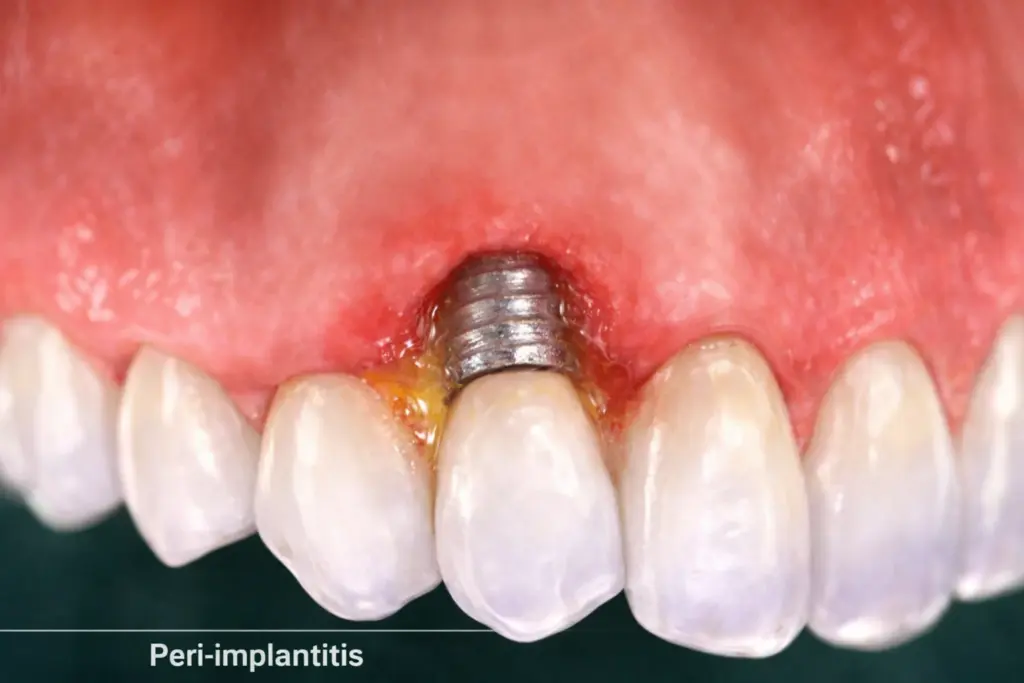
Peri-implantitis might be accompanied by discomfort and a set of symptoms that are clearly recognizable. In general, these symptoms imply damage to the soft and hard tissues surrounding the implant
- Pain or Tenderness: The pain may be especially caused by biting or chewiing and in these areas it will be sensitive.
- Swelling and Redness: The implant’s surrounding gums can become swollen, red, and inflamed.
- Bleeding: The implant surrounding area during brushing or flossing, bleeding may occur thus.
- Persistent Bad Breath: One of the most offensive smells, the source of which is the implant site, is due to bacteria that proliferate.
- Metallic Taste: The origin of a metallic taste in the mouth is mainly due to an infection or bacteria presence close to the implant.
Will Antibiotics Help Peri-implantitis?
Antibiotics will be part of an effort to relieve the infection and inflammations which are the main causes of peri-implantitis.
Although antibiotics cannot do the job alone, the main way to treat peri-implantitis is a thorough cleaning of the implant area to get rid of plaque, tartar, and infected tissue. The use of antibiotics as a means of infection control and as a way of facilitating treatment is possible only in conjunction with a comprehensive treatment plan.
| Treatment for Peri-implantitis | What It Involves |
| Professional Cleaning (Scaling & Root Planing) | The procedure that goes on the deepest layers of the gums to cleanse the implant and the surrounding gums from plaque and tartar. |
| Surgical Intervention | The next step is the operation which unfolds the incision to perform the cleaning in the parts that are deeper and to remove the infected tissue. |
| Regenerative Techniques (Bone Grafting) | One of the methods of using either tissue or materials to regrow the bone that has been lost around the dental implant is called bone grafting. |
| Antibiotics | Antibiotics are effective in that they lessen bacterial infection and inflammations but they do not totally eliminate the disease. |
How to Treat Peri-implantitis?
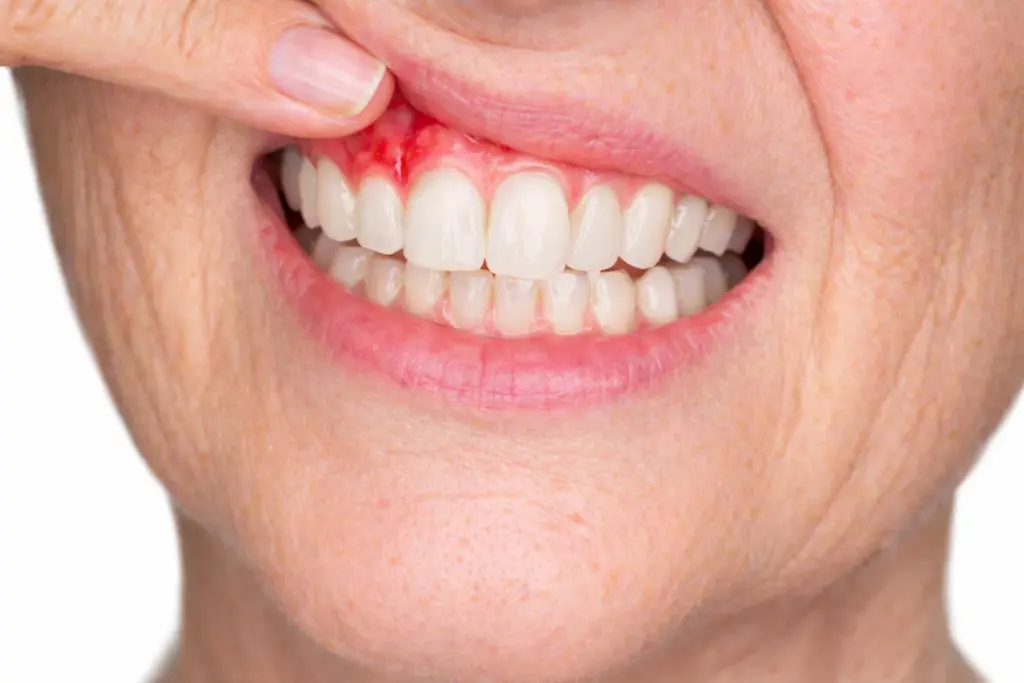
Treatment of Peri-implantitis may vary according to its stages and normally consists of cleaning the implant site, tissue regeneration, and stopping bone loss. The extent of the problem will determine the treatment plan. These are the options for the treatments:
1. Non-Surgical Treatments:
- Scaling and Root Planing: A thorough cleaning that remove plaque, tartar, and bacteria from the implant and the surrounding gums should be performed.
- Antibiotic Therapy: Antibiotics can be administered locally or systemically to relieve infection and inflammation.
2. Surgical Treatments:
- Flap Surgery: The incision is made in the gums which are then lifted to get to the deepest cleaning parts and the removal of the infected tissue.
- Bone Grafting: If the situation is one of bone loss, the usage of bone grafts can both renew the bone and stabilize the implant.
3. Maintenance and Follow-Up:
- Regular Dental Check-ups: Monitoring the healing and preventing another peri-implantitis episode through care that is continued after the treatment, is absolutely necessary.
- Good Oral Hygiene: The right brushing and flossing to maintain oral health and to prevent infection.
What Happens If Peri-implantitis Is Left Untreated?
Without an intervention, peri-implantitis will result in a massive bone loss around the implant leading to the loosening or final failure of the implant. Consequently, the infection can spread more widely, thus, giving rise to major problems such as abscess formation, destruction of tissues, and removal of the implant. Therefore, the early-stage intervention point can hardly be overemphasized as it is not only vital to save the implant, but it also helps to stop the tissue damage that will last for a long time.
Peri-implantitis Treatment at Lema Dental Clinic, Turkey
We at Lema Dental Clinic in Turkey focus on providing the highest level of care to patients suffering from peri-implantitis. A large part of the accomplishment is doing it safely and effectively. Our experienced team, along with the latest technology and modern methods, is your partner in the rescue of your implants and the restoration of your oral health. Whether it is nonsurgical cleaning or surgical intervention, we are here for you with the least discomfort.
Do not let peri-implantitis scare you from having the best oral health. We, at Lema Dental Clinic, are providing you with comprehensive treatment plans that are personalized according to your needs and hence, you are able to enjoy the benefits of a new smile along with the peace of mind that goes with it. Given our skillfulness, you can entrust us with the safety of your dentalimplants.
FAQs About Sign of Peri-implantitis
No, peri-implantitis cannot resolve on its own. Professional dental treatment is necessary to prevent further bone loss and implant failure.
Antiseptic mouthwashes like chlorhexidine are commonly recommended to reduce bacteria around the implant site and promote healing.
Professional cleaning and surgical intervention are often needed to treat peri-implantitis. Additional treatments like bone grafting may be required to restore lost bone.
While not an immediate emergency, peri-implantitis should be addressed promptly to prevent serious complications such as implant failure and bone loss.
Yes, newer treatments include laser therapy to remove infected tissue more precisely and regenerative techniques such as stem cell therapy to promote bone regeneration.
“Peri-implantitis: Diagnosis and Treatment.” (2020). American Academy of Implant Dentistry.

