


Common issues include infection, pain, swelling, and implant loosening.
Dental implants, the best kind of tooth replacement option, are extremely reliable, with a high failure rate that has made them very popular. Most often, patients recover very well without any serious complications. Regrettably, some side effects may arise during healing or decades after the treatment.
It is common to associate implant complications with infection, swelling, soft tissue disease, poor bone integration, and mechanical failure of the implant. Some complications are self-resolving while others may require a dental professional visit.
To be sure about your implant, you should learn the warning signs so that in time, you will know to act if something goes wrong -early action may minimize your discomfort and even prevent your implant from being lost.
Most Common Dental Implant Complications?
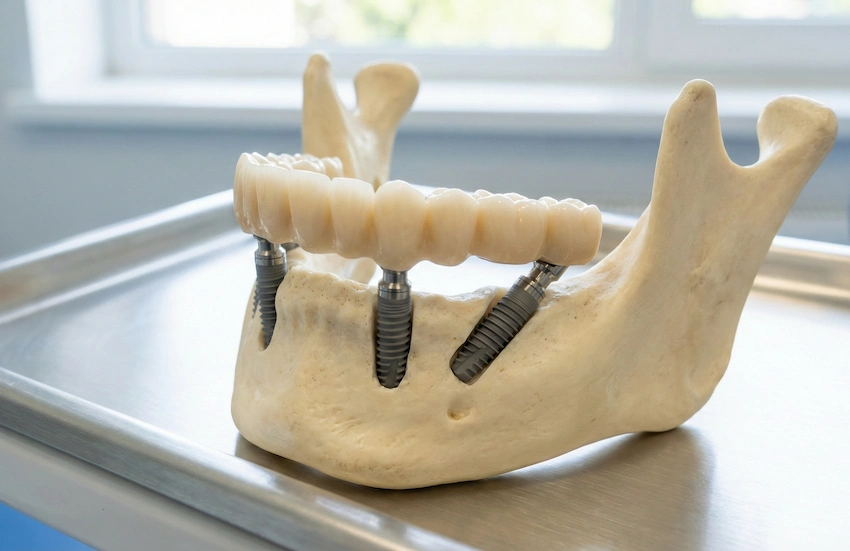
After getting implants, it is quite normal to have minor bleeding, swelling, redness, pain, bruising, and slight discomfort; these are a natural part of healing. However, the symptoms should lessen as time goes on.
Any complication is more common if the patient is suffering symptoms that are worsening instead of improving. In fact, if your implant is continuously hurting, swelling, bleeding, or the tissues around it are loose-feeling, you need to consult your dentist as soon as possible.
One of the biggest threats to long-term success is peri-implantitis. Peri-implantitis can cause an inflammation of your gum tissues that is a result of not keeping good plaque removal after your dental implants. If not tackled, it could eventually lead to peri-implantitis, which is characterized by a loss of supporting bone that was once there for your implants.
Peri-implantitis was one of several issues found in recent publications as major long-term complications of having dental implants, along with the need for regular dental check-ups that can monitor the condition of one’s implants.
Osseointegration not occurring properly is yet another potential problem: the dental implant is not attached properly to the existing bone.
| Complication | Signs | Time Period | Treatment |
| Swelling and ache | Slight swelling and pain | Healing period | Monitoring by the dentist and continuing regular follow-ups |
| Infection | Pain, swelling, and discharge | Very early days or later | Dental examination and appropriate treatment |
| Red or bleeding gums | Inflammation caused by plaque buildup around the implant | A few months or years later | Professional cleaning and inflammation control |
| Loss of supporting bone | Advanced inflammation and bone loss around the implant | Usually at a later stage | Scheduled periodontal treatment by a dental professional |
| Failed osseointegration | Persistent discomfort, mobility, or a loose feeling around the implant | Healing period | Clinical assessment and possible retreatment |
| Loose crown or component | Movement or loosening of the crown or implant component | At any time | Repair or replacement of the affected component |
Preventing Problems
Planning and execution are vital in minimizing implant complications. The dentist planning to implant needs to have sufficient knowledge of the amount of bone present, the position of the implant that doesn’t affect the function of the mouth (bite), the strength of the patient’s overall dental condition, such as the health of neighboring teeth,h and the patient’s overall physical condition. For instance, systemic illness like diabetes can be another factor considered by the dentist.
The dentist is responsible for making sure that the patient’s existing or future dental problems are diagnosed and treated properly. There is evidence showing that having or having had periodontal problems might give reason for a periodontist to develop peri-implantitis.
Very importantly, a patient is to maintain good oral hygiene right after the procedure to prevent plaque build-up, which may inflame the gums surrounding the implant.
If you keep up with visiting your dentist on a regular basis, then the problem is less likely to progress into a serious one.
Common Risk Factors That Cause Implant Complications
There is a certain variation in the risk of a dental implant failure, from one patient to another. That is because of different health conditions and habits that affect the patient’s healing as well as the long-term survival of the implant.
Most prominent risk factors:
- Smoking
- Poor Oral Hygiene
- Presence of or the patient has been suffering from periodontitis
- High levels of blood sugar
- The absence of regular dental check-ups
- Wrongly placed implants
- Deficient bone or soft tissue
- Too much pressure on a dental implant
Out of all, the strongest and most reliable signs of developing peri-implantitis are smoking and the patient’s history of periodontal treatment. Diabetes, with blood sugar not well controlled, is also an issue, as the condition, along with smoking and other reasons,s could lead to a problem with one’s implants.
Just because risk factors are present does not ensure the implant will not last. These factors are to be closely looked after, and a more detailed treatment plan is required.
Dental Implants Side Effects – Prevention And Aftercare Measures
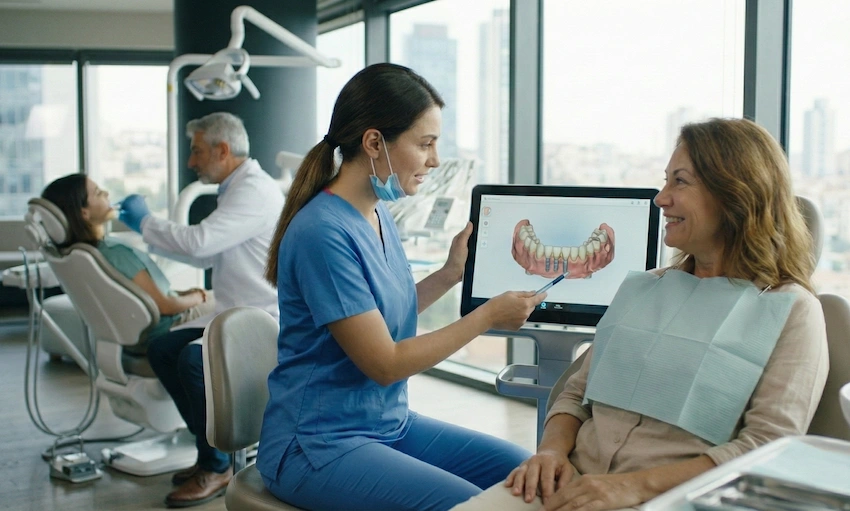
Right from after the surgery, you must take care of your oral condition. When the implants are in place, it is essential to give them adequate time to fuse with the jawbone by not moving the affected area.
Do not forget to follow the instructions from the dental professional and adhere to your post-surgery regimen of oral hygiene and the food you eat, and take your prescribed medicines as well as exercise.
Avoid placing unnecessary load on the new implant at all times.
A lifetime of taking care of your implants means brushing and flossing them just as regularly as your natural teeth, according to what your dentist would advise.
It is important not to smoke since various research studies have revealed that smokers are more likely to encounter dental implant-related complications, such as gum disease around the implant area.
Furthermore, patients in our Lema Dental Clinic are treated according to unique individual treatment plans. We also make post-implant appointments to check that your healing is progressing well, if at all you need more help with the treatment, or your bone or gums have changed significantly.
How Do You Deal With The Common Side Effects?
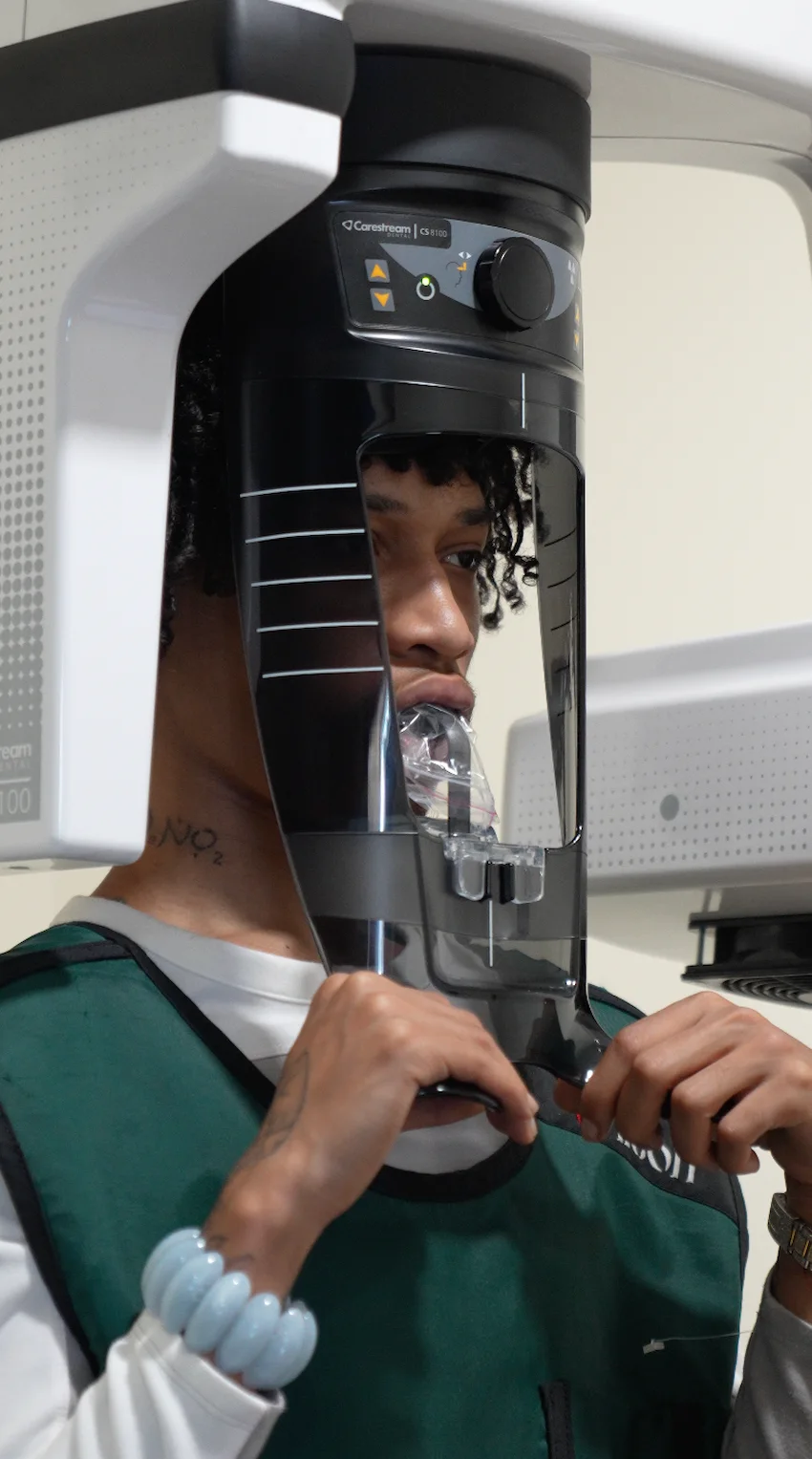
Determining the proper method of treating side effects is a dental matter that largely depends on the nature and the seriousness of your problem. Minor pain and swelling while the body is healing are mostly addressed through normal postoperative measures; however, pain or inflammation getting worse is a signal of a possible dental emergency.
Peri-implant mucositis is the least invasive form of gum disease and should be easily treatable by seeing a dental professional for a clean-up, controlling plaque, and dealing with underlying factors of the disease. Perimplantitis is not only gum disease that is not controlled at the early stage but also the kind that has a very deep attachment to the teeth, which could result in a deep cleaning or even a surgical intervention.
Dental restorations or implants that have parts that become loose may involve fixing or even a total replacement of the damaged parts. If a dental implant is still in the bone without being attached properly by either biological or mechanical means, it will be necessary to remove that one. Once the patient has recovered, it might be feasible to plan again in a different way.
First and foremost, it is the earliest identification that is of greatest importance. The faster the complication is detected and addressed, the better the chances of saving other tissues in your mouth.
FAQ
What are the possible side effects of a dental implant?
After the operation, it is a very common thing to experience some level of swelling and bruising; a little bleeding may come from the implant site as well. Uncommon situations might lead to complications like an infected wound, failure of osseointegration, mechanical or anatomical disruption of sensory nerves, or, in some cases, even loss of the implant.
What I wished I had known about getting dental implants?
There should never be an illusion in the mind of the patient that implants would be a non-surgical, non-healing type of treatment; a patient must understand that the whole thing involves surgery and a healing period. Only those with a clean mouth, good visits to the dental professional, and healthy gums could expect that implants will last for many years.
Is there a sign that dental implants are rejected
The issue is that dental implants are different from organs that are transplanted from one person to another being rejected. However, one sign of Dental Implant Failure is indeed a dental implant becoming movable or not movable anymore, continuing pain, increasing swelling, infection, or bone loss around the implant.
Is implanting a dental tooth a major surgery?
On the whole, for well-chosen candidates, a dental implant has got to be a very safe type of surgery. Nevertheless, the risk may well be greater in case the patient is smoker, with diabetes in an uncontrolled condition, having active gum disease, the poor quality of the bone making it impossible to carry out the implant and also with the patient who neglects aftercare (does not take the post-care instructions seriously).
Can dental implants cause health issues?
A vast majority of implants that one makes from titanium are considered by the human body as one of them since titanium is one of the most highly biocompatible elements. It is believed that hypersensitivity from titanium is extremely rare. A 2026 study of several papers concluded that, for patients, hypersensitivity reactions to titanium implants are theoretically possible, but they do not find evidence from the clinical work in that direction for this particular problem that they have been studying with their patients.
References
- AO/AAP Consensus on Prevention and Management of Peri-Implant Diseases and Conditions – Evidence-based guidance on peri-implant complications, prevention, risk factors, and treatment.
- Systematic Review and Meta-Analysis of Peri-Implant Disease Risk Factors – Research on smoking, periodontitis, diabetes, and other implant risk indicators.
- Risk Factors for Peri-Implantitis: Umbrella Review – Review of evidence linking smoking, periodontal disease, and other factors with peri-implantitis.
- Titanium Hypersensitivity in Dental Implants: Systematic Review – Updated evidence on titanium biocompatibility and rare hypersensitivity reactions.

