


Having separate molars located in the back of our mouth towards the end of the dental arch behind the canine teeth or cuspids, premolar teeth consist of 8 teeth primarily designed for grinding and crushing food. These sharp and pointed teeth allow the food to be ground and bitten down into smaller particles, which helps in the further digestion process color through the esophagus, stomach, and intestines to provide the nutrients required for the body.
In the upcoming blog, we will be looking at the structure and shape of premolar teeth as well as their function in our mouths and also some of the common problems associated with them. First, we’ll talk about the anatomical structure of premolars that makes them unique compared to other teeth types and how it’s essential for their primary role as a food processor within our bodies.
This information may help many people who used to be sceptical of premolar teeth, understand better their processes and benefits to our overall oral health and very probably discover some useful guidelines to take care of and maintain proper functioning for long times ahead.
What Are Premolar Teeth?
Premolar teeth are defined as large flat-topped teeth that are located in the middle of your jaw. Generally, an adult human being has eight premolars which means there are two on each side of the upper jaw and further two in the lower jaw.
These major teeth are to note to be located behind the cuspids and in front of the molars. Our ecosystem for mastication is formidable, and without premolar teeth , it would be impossible to chew food effectively. Because of the grinding and crushing process, these teeth become crucial organs in the digestive system.
The granularity of premolar teeth means that their structure has more cusps (two or more as opposed to canines) for effective mastication and intending a solid layer of softening of the food before it enters the molars. In combination, their peculiar shape and interesting ability allow them to break any food we put in our mouth and assure further fulfilment of the digestive tract.
The Role of Premolar Teeth in Your Oral Health
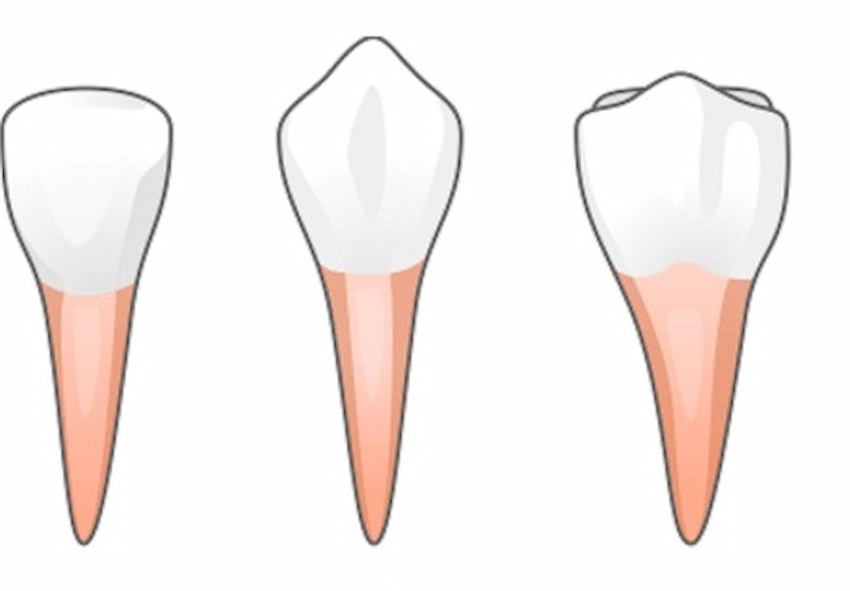
Premolar teeth play a significant role in your oral health. Their main job is to cut and grind the food, thus combining the work of molars in the grinding process. Now that’s where premolars come to your rescue, especially when it comes to breaking down the foods that are hard to chew like meats and fibrous vegetables. The consequence is that the molars will have to do the double work, hence the risk of them wearing out will increase.
Besides, the premolar teeth are the ones that align your teeth. For example, they allow a proper bite to be kept, which is the basis of avoiding such issues as tooth misalignment or the rubbing of your molars. Healthy oral hygiene can make your premolars perform great which will be a sign of maximum dental health and a pleasurable mastication.
Common Issues with Premolar Teeth
Premolar teeth, like other teeth, can be affected by dental problems. They can originate from simple caries and decay to even tooth fractures or abscesses. Some of the most common issues related to premolar teeth are:
- Cavities and Tooth Decay: Premolars, like all teeth, are prone to getting cavities if they are not cleaned properly. The areas in the grooves and spaces between the teeth where bacteria live can cause decay.
- Tooth Sensitivity: Worn down or damaged enamel on the premolar can make you feel sensitive to hot or cold foods and beverages.
- Broken or Chipped Teeth: Premolar teeth can be fractured due to a severe blow to the face or being frequently ground (bruxism). If these fractures are not treated, they can gradually develop into more serious dental issues.
- Impacted Premolars: There are situations when premolars are impacted which indicates that they have not gone out of the gum normally. Generally impaction is associated with wisdom teeth, however, it can occur with premolar teeth too.
How to Care for Premolar Teeth?
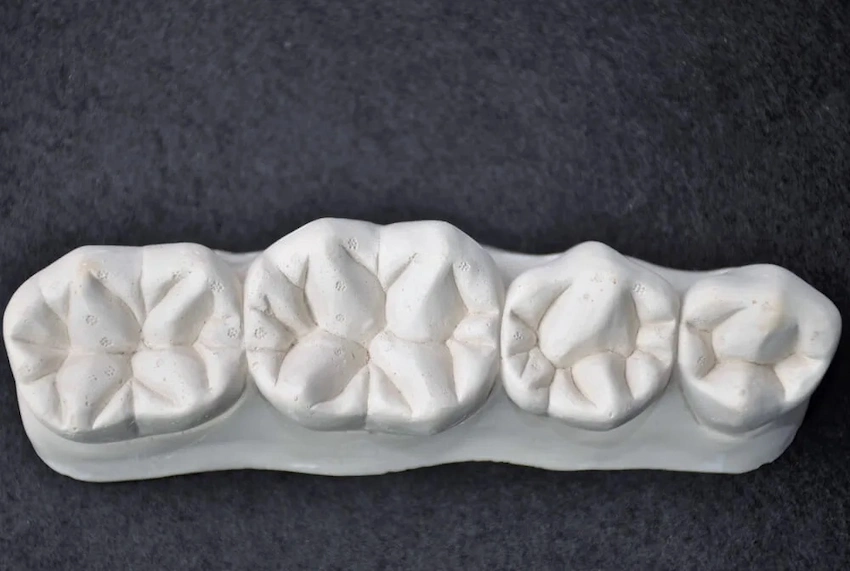
One’s premolar teeth are really important to be taken good care of lest the most common oral diseases hinder the health of the mouth. Eating and smiling through your premolars are the basic functions that they carry on without flaws. This is the exact reason why taking good care of premolar teeth must not be sidelined. Here are some of the following helpful and frolic insightful tips that you must know to take care of your premolars:
- Avoid Hard Foods: Premolar teeth are strong but hard foods like hard candies or ice can lead to teeth getting weaker and with the possibility of the structure and surface of your teeth weakening leading to cracks, chips, etc.
- Brush and Floss Regularly: If you want your premolars to stay healthy and avoid tooth decay, you have to be brushing your teeth at least twice a day with the fluoride toothpaste. Also, use fluoride toothpaste and a soft-bristle toothbrush, and use the correct brushing method so that even the smallest spaces between the premolar teeth are reached.
Furthermore, be sure to floss daily between your premolars in order to remove debris and plaque that may be firmly attached to the area and that may cause gingivitis or cavities in the future.
FAQs About Premolar Teeth
Adults usually have eight premolar teeth, and so, two on each side of the upper and lower jaw.
Premolar teeth mainly perform the function of crushing and grinding food to a manageable size, thus, molars can be better utilized for further breaking the food down before it is swallowed.
Of course, premolars may get caries if they are not regularly cleaned and maintained in the proper way because the plaque can accumulate in the pits and fissures of the tooth and in those areas that are difficult to access.
Tooth sensitivity in premolars is usually the result of enamel wear that may be caused by bad oral hygiene, the intake of acidic foods, or the habit of grinding teeth.
Good oral care, that is routine brushing, flossing, and dental visits, definitely will stop the formation of cavities, the occurrence of sensitivity and other problems of your premolars.

