


What Causes Black Triangles?
The black triangles are these small gaps or spaces that occur between the teeth, usually near the gumline. The gaps often result in a visible dark area that may affect your smile. Black triangles have multiple causations, and the natural shape of your teeth and gums is the major one out of all these causes. The teeth may not be apt to fit, hence open spaces may show up between them.
Moreover, gum recession is another important factor in the development of black triangles. Gums can start to separate from the teeth either because of aging or certain lifestyle factors (smoking or poor oral hygiene). It is the roots of the teeth that become exposed when the gums pull back, thus creating new spaces from which food and plaque are difficult to remove.
Also, tooth loss or tooth wear might be factors behind the black triangles. A mouth change due to worn or missing teeth may cause uneven spaces to arise that are between the remaining teeth. Orthodontic treatment, especially the application of braces, can be the reason behind the movement of the teeth, which in some cases results in the occurrence of such openings.
The black areas are not a signal of destruction, but they can be a concern in terms of the appearance of the smile. In extreme situations, if ignored, the areas can get highly contaminated with bacteria, which can give rise to different oral health issues, for instance, gum disease.
The Oral Health Risks of Black Triangles

On the one hand, black triangles look like a cosmetic problem only. Despite this, they are capable of causing several oral health risks if they are not treated. A foremost issue with black triangles is the buildup of food particles and plaque within the narrow spaces between the teeth. When food particles and plaque get lodged in the gaps, they become hard to clean, resulting in poor oral hygiene conditions. This will eventually cause gum disease or dental caries, both conditions that are known to become a source of further dental problems, are allowed to develop.
One more problem is gum disease, which is usually associated with the appearance of black triangles. When the gums retreat, they may get swollen or infected, and as a result, the gum tissue will be harmed to a greater extent. In a very serious situation, the gum disease that has not been treated can lead to the loss of a tooth. Those holes that appear between the teeth make it difficult for you to take care of your teeth in the usual way, as toothbrushes and floss might not get to the areas.
Besides the health risks, black triangles can also be a source of psychological distress. The majority of people become embarrassed by their smile if such gaps appear, which in turn lowers their self-esteem. Consequently, this can have an impact on their social and professional lives; thus, the problem with the right treatment becomes even more crucial.
How Are Black Triangles on Teeth Treated?
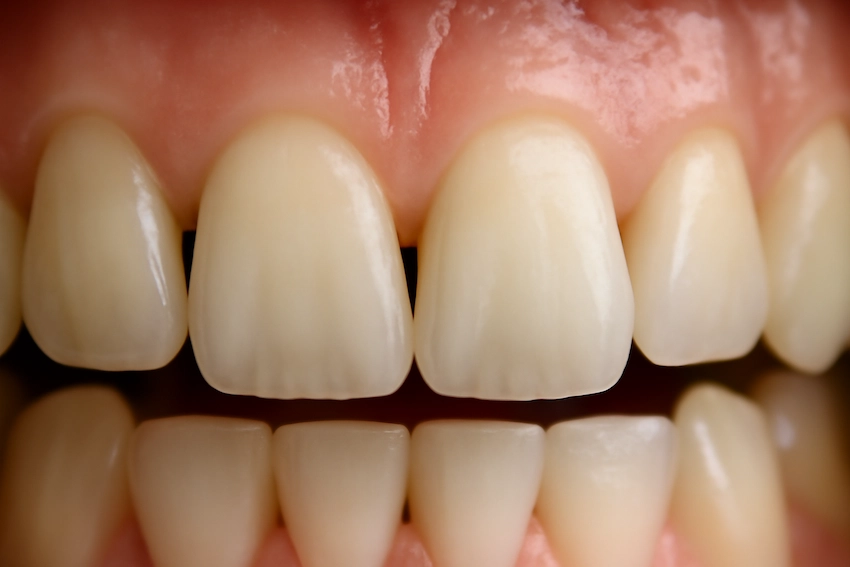
Black triangles can be treated effectively by different methods. The treatments vary between the causes and the degree of the condition. Here are some of the most common methods used to treat this dental concern:
- Dental Veneers: One of the most well-known methods for solving the problem of black triangles is the application of dental veneers. These thin shells are specifically designed to cover the front part of your teeth, thus effectively closing the gap and providing you with a more even and symmetrical smile. If the black triangles are a result of tooth wear or the teeth are slightly out of alignment, veneers will work best.
- Dental Implants: In case of black triangles resulting from the absence of a tooth, dental implants will be a great option. This solution is a permanent one where a titanium post is placed into the jawbone, and a crown is added on top of it. By this, only the gaps left by missing teeth are closed, but also the function and appearance of the teeth are restored.
- Gum Grafts: In situations where the main reason for black triangles is the gum recession, then gum grafts will most probably be the solution. This treatment is done by taking tissue from the healthy part of the mouth and attaching it to the receded gum areas to restore the gumline. This, in turn, prevents more gum loss and also can make the black triangles smaller in size.
- Bonding and Contouring: The black triangles can be filled with dental bonding if they are of small size and are not a result of considerable gum recession. In the affected area, a tooth-colored resin is adhered, and the tooth is reshaped by closing the gap. Alongside bonding, contouring can also be done for reshaping the teeth, getting rid of the rough edges, and enhancing the overall appearance.
We at Lema Dental Clinic in Istanbul, Turkey, provide customized care plans that suit your specific requirements. If you only want veneers for a Hollywood Smile, dental implants, or any other cosmetic procedures, our skills are sufficient to revitalize your oral health and the beauty of your smile.
How Are Black Triangles on Teeth Prevented?
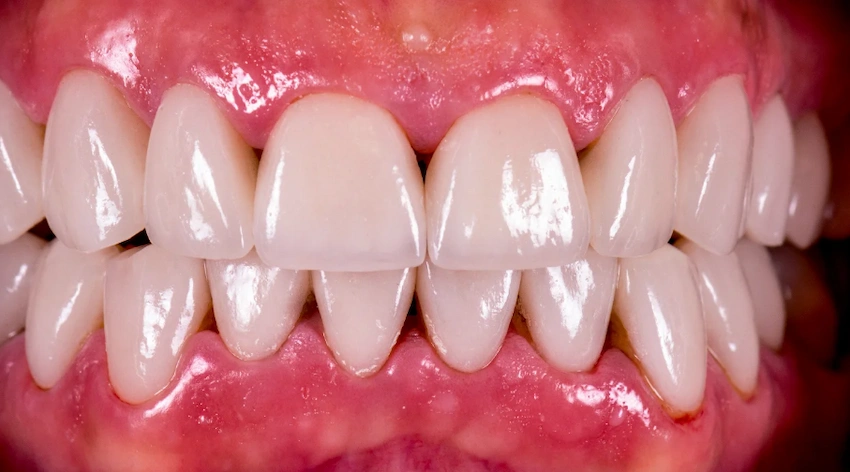
One of the major ways to prevent black triangles is by ensuring that the gums are in a healthy condition and that oral hygiene is given the necessary priority. The following are some of the things you can do to decrease the chances of developing black triangular shapes:
- Regular Brushing and Flossing: You must brush your teeth at least twice a day and floss once a day. This will keep your gums healthy. Cleaning along the gumline, where black triangles are mostly found, should be your main aim so that you can get rid of the plaque and food particles that can cause your gums to recede.
- Regular Dental Check-ups: The over-scheduling of dental check-ups is of extreme importance in the investigation of the initial signs of gum disease, tooth wear, or other problems that might lead to black triangles. Preventive recommendations made by your dentist can keep your gums and teeth safe from harm before the issue becomes bigger.
- Avoid Smoking: Smoking causes gum recession significantly; thus, the best way is to stay away from cigarettes. Also, smoking restricts blood flow to the gums, thus making the process of repair and regeneration difficult.
- Healthy Diet: The consumption of an equilibrated diet with plenty of vitamins and minerals is one of the surest ways of keeping the gums healthy. Vitamin C and calcium are some of the essential nutrients that make the gums and teeth strong. Moreover, the consumption of sugary snacks and drinks can speed up plaque formation, which in turn can lead to gum problems and finally black triangles.
- Dealing with Root Causes: If you are suffering from gum recession or noticing the formation of gaps, then the best thing you can do is to visit the dentist without delay. Prevention at an early stage can go a long way in stopping the loss of gums and, therefore, decreasing the possibility of having to undergo major treatments in the future.
Who Gets Black Triangles on Teeth?
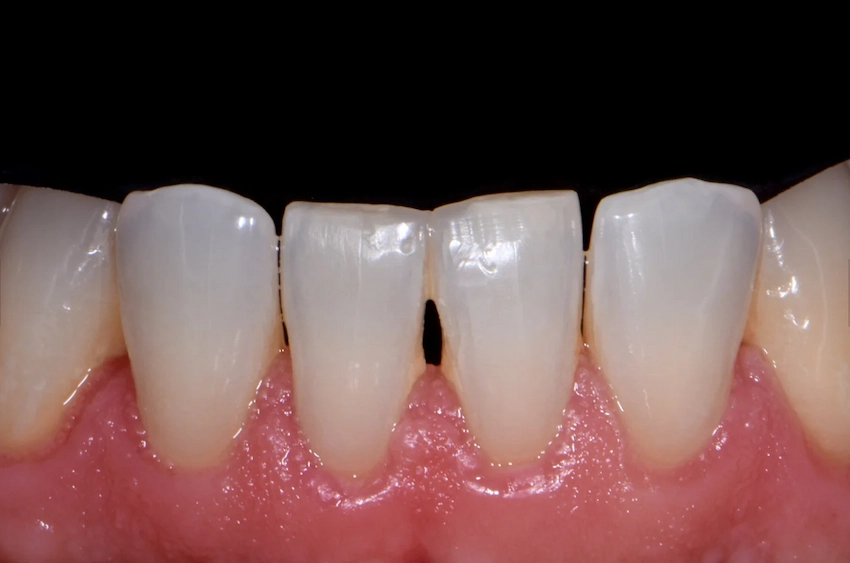
Black triangles are not only a problem of aging. They can happen to anyone, at any age, and at any time of life. Although they are more likely to appear as people get older, especially as a result of gum recession, none are safe from them. Some of the major of the most common risk factors are involved in the following:
- Aging: The gums eventually recede, a situation that exposes more of the tooth root. This progress can end up with black triangles that appear particularly in people who have had braces or other dental interventions that caused the shift of their teeth in the long run.
- Gum Disease: Gums affected by disease anatomically are in greater danger of black triangles, as such illnesses lead to the gums separating from the teeth, thus causing gaps. Off all directions from here, the disease could lead to more ominous gum recession and tooth loss.
- Orthodontic Treatment: Sometimes, with braces and other orthodontic treatments, the changes in the teeth can happen, which in turn may cause black triangles to form. Alongside the braces perfect the teeth alignment, they are also capable of changing the way the teeth fit together, thus making spaces more visible.
- Genetics: There are some people whose genes make them more inclined to gum recession or other oral health problems that may result in black triangles. If you have a family with a history of periodontal disease, then the development of these gaps in your teeth is highly probable.
Final Thought
Black triangles in between teeth can make one shy away from showing their beautiful smiles, but you can make your smile healthier and more attractive with suitable treatment options. In Istanbul, Turkey, at Lema Dental Clinic, we offer courses that are the answer to your needs, like Hollywood Smile procedures, dental veneers, and dental implants to achieve the perfect smile you desire. Drop us a line if you want to know how we can help you with black triangles and other dental problems.
FAQ: What Causes Black Triangles?
Through dental treatments such as veneers, implants, gum grafts, and dental bonding, black triangles can be fixed. The most effective way of solving the problem will be the one that addresses the root cause and that takes into account your preferences.
Black triangles are not signs of bone loss; however, they occur after gum recession, which may be accompanied by bone loss in severe cases. Keep a close watch on your gum health and pay your dentist a visit regularly.
Black triangles on teeth can be present in a child of any age; however, they are mostly seen in adults, especially after 40, and are caused by the receding gums and the aging process of the tooth.
The presence of black triangles in teeth is not uncommon, especially in the case of elderly people and those who suffer from periodontal disease. Furthermore, the risk of occurrence of black triangles is increased after orthodontic treatment or due to the natural aging process.
Certainly, black triangles will increase in size and could cause more issues if the gum recession has not been stopped yet. So, a visit to the dentist is especially important at an early stage, which will enable us to keep our smile healthy and beautiful and to prevent further recession.

