


Bicuspid teeth or also known as premolars, are the main elements of the mouth’s overall performance. Based on the fact that these are the teeth located between the canines and molars, bicuspids are the main appliances for food processing that take a significant part in masticating and digesting. That means these teeth break down food into smaller and more digestible fragments thus, the whole process of eating and digesting is much faster and more effective.
However, there are numerous individuals who don’t know the significance of these teeth and they are the ones that are the foundation for the health of the bite, good food processing, and even for the oral health in general. This article will familiarize you with the basics of bicuspid teeth, their composition, their role, as well as their importance in dental health, treatment, and the retention of aesthetics in the smile. So by the time you finish this article, you will be able to comprehend the reasons these teeth are so essential.
What Are Bicuspid Teeth?
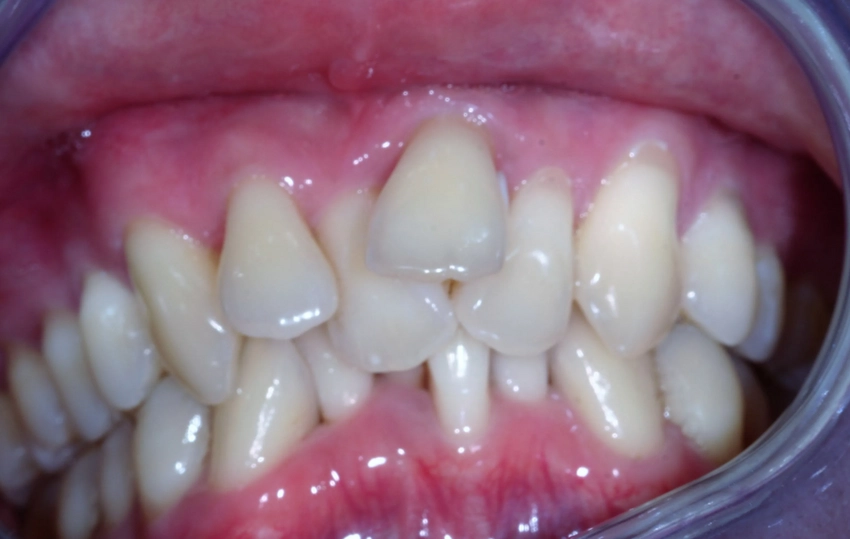
Bicuspid teeth or premolars are the flat teeth with multiple cusps found between the canines and molars in the mouth. These teeth feature a two-cusp design which enables them to perform the functions of ripping and grinding a piece of food more efficiently.
A normal adult mouth comprises 8 bicuspids in total, four in the upper jaw and 4 in the lower with two in each quadrant. Bicuspid teeth not only help the chewing process but also become more nutritious through the process of digestion as they break hollow food into smaller pieces making it easier to digest.
Bicuspid teeth are constructed in a way that the surface is flat and has a few pointed cusps thus, making them suitable for crushing and grinding of food. Usually, during mastication, these teeth receive heavy loads, but their anatomy is such that they can distribute the force effectively.
What Are Premolar Teeth?
Premolar teeth are the same as bicuspid teeth. While “bicuspid” points out that these teeth have two cusps, “premolar” indicates their location in the mouth as the teeth lying between the canines and molars. They first grind and tear the food and make it accessible for molars to finish the job of grinding it into a size more suitable for the digestive tract.
Each quadrant of the adult mouth typically contains two premolars, which means eight premolars in the whole mouth. Premolars have a large surface for holding one or more cusps which helps handle the force during mastication. The sharp edge of canines is for tearing, but premolars are more efficient in dividing the food into smaller pieces before passing it on to the molars for the last phase of grinding.
The Significance of Bicuspid Teeth in Dental Health
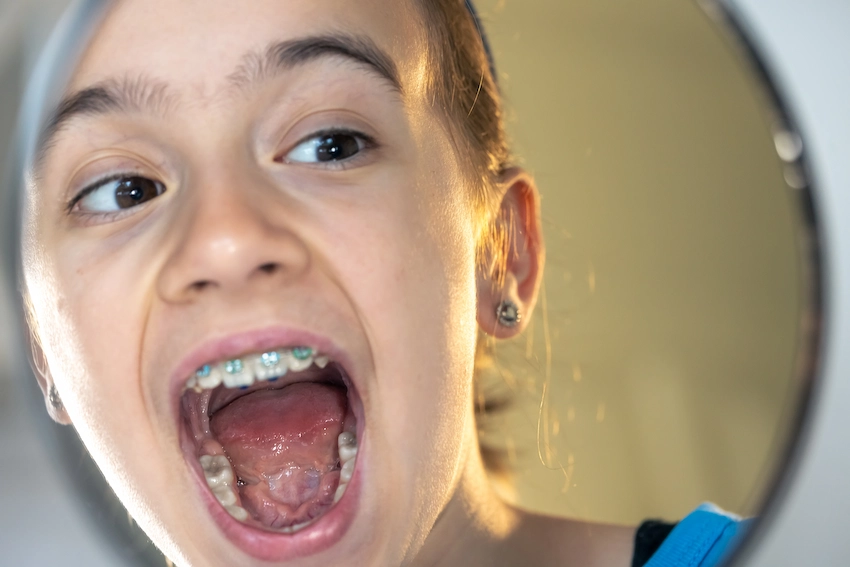
Bicuspid teeth actually have a larger role than you might think at the very beginning. The main work of these teeth is to facilitate the process of breaking the food, so that the food is in fact crushed and made ready for digestion. If there are no bicuspids, your molars will have to do all the grinding, which will result in molar wear and you may be in great trouble due to the fact that the strain will be too much.
The specialised teeth also have an important function in the context of bite, which should not be overlooked. Bicuspid tooth’s characteristics: size and positioning help to keep the bite in balance and working well. In case these teeth are in disguise or non-existent, this will inevitably lead to health problems not only in the mouth but also in the body. Malocclusion, uneven tooth wear, and jaw discomfort are the most common outcomes of this problem.
Moreover, bicuspid teeth have a great role in beauty. These teeth are the main reason behind the smile and the entire face’s being in good condition and symmetrical. Faulty in the bicuspid area can either make you overshadow your facial structure or slowly give the inclination of your face and the smile you have. Furthermore, the failure of the smile zone may result in some cases with a lack of self-confidence, too.
What Is a Bicuspid Tooth Root Canal?
A root canal is a procedure that is done mostly in a dentist’s office and is aimed at the complete removal of the pulp—soft tissue inside the tooth—when it is infected or severely damaged. For bicuspid teeth, root canal therapy is the one to do when the pulp is that soft tissue inside the tooth which gets infected by decay, injury, or deep cavities. The infection will spread to the root of the tooth if the pulp is not removed, and this will cause breakthrough pain as well as the possibility of losing the tooth.
The procedure removes the infected pulp, disinfects the root canals, and, the area is sealed to stop bacteria from getting in again. In this operation, the tooth is saved, and the patient’s normal mastication is, thus, re-established. For this reason, root canal therapy is often done in premolars as these teeth are more accessible and, hence, caries or trauma are the most frequent causes of infection.
About the Bicuspid Tooth Root Canal Procedure
The work to be done on the bicuspid through a root canal is, in most cases, a multi-stage procedure that includes several steps. The stages include:
- Consultation and Diagnosis: A dentist examines the tooth that is giving the problem and takes X-rays to find the infection/damage. If an infection is detected or the tooth is very damaged, a root canal will be suggested.
- Anesthesia: Local anesthesia will be applied to the area of the bicuspid valve. This makes the patient experience a painless and comfortable process.
- Accessing the Tooth: Getting to the pulp chamber through the chewing surface of the bicuspid, the dentist inserts a small hole and takes out the infected tissue in the tooth with the help of a drill.
- Cleaning and Shaping: The dentist carves the pulp and cleans the root canals of the bacteria. At that point the area is meticulously shaped for the filling to be perfectly compatible.
- Sealing: After the cleaning and shaping of the root canals, a material is used to fill the tooth and close the seal completely. This completely prevents the bacteria from coming back to the root causing re-infection.
- Restoration: Generally, a dental crown or any other type of restoration is installed into the tooth to provide support and function, thus this step is very important for bicuspid teeth which are the main instruments of chewing.
After a root canal procedure, the bicuspid tooth will be able to function normally, and the source of infection will have been removed, thus the chance of further complications will be eliminated.
What Are Premolar Teeth?
Premolar teeth are known as bicuspid teeth. They are flat, multi-cusped teeth located between the canines and molars. The teeth are extremely necessary for the process of grinding and crushing food, which is basically the first stage of digestion. Although the canines that are sharp and pointed are for tearing, premolars are composed of a flatter surface with many cusps, which is why they are perfect for breaking food into smaller pieces.
There are premolars in every quadrant of the mouth. Two of the premolars are in the upper jaw and the other two are in the lower jaw. Their working and anatomical position make them the most important in the proper intake of food and digestion. In addition to this, they also provide the overall alignment and aesthetic of your smile.
Why Do We Have Bicuspids?
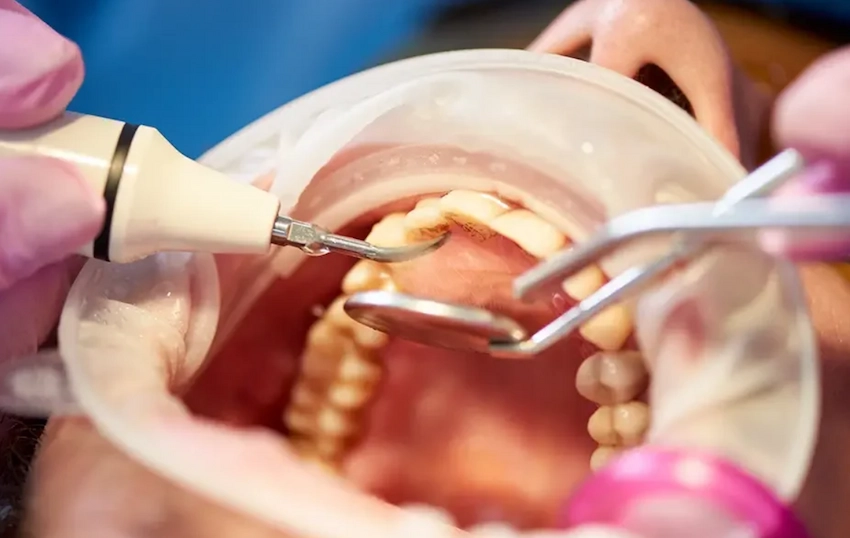
The bicuspids are the teeth that carry out the activities of cutting, shredding, tearing, and grinding food. The flat surfaces and the pointed cusps are used for attaching and breaking the food into smaller pieces, thus making it ready for the final grinding in the molars. They are in a great position to share the work with canines and molars, thus they are not contaminated with much wear.
In addition, bicuspids perform a function with reference to the maintenance of the ideal bite. They make sure that your upper and lower teeth are perfectly positioned and that no alignment or wear problems arise. If bicuspids weren’t there, the functions that are done by bicuspids would be done by other teeth which would eventually lead to uneven wear and some problems with chewing and digestion.
Does Everyone Have Bicuspids?
On the other hand, most adults have a total of eight bicuspid teeth—two are located in each quadrant of the mouth—but some individuals may not have these teeth at all. The term congenital absence refers to the lack of bicuspids at birth and is a condition that is rare but still possible in some people. Dental treatments like implants, bridges, or orthodontics may be prescribed to ensure that the patient has a bite that is both functional and aesthetic in these instances.
It is of great necessity to understand that bicuspids not only provide the needed grinding surface for chewing but also assist in the proper alignment of your teeth hence if they are missing the bite as well as the whole dental function can be affected. So, if you happen to miss your bicuspids, please get dental advice for the proper solution to your problem.
Do Bicuspids Remain in the Mouth Permanently?
The properties of bicuspids classify them as permanent teeth. Normally they come out between the ages of 10 and 12. Once they have come out, it is meant for them to be there forever providing the necessary functions. Still, there are situations where the removal of bicuspids is necessary, as in the case of a dentist who may advise removal if the tooth is impacted, infected, or displaced.
Parts of the tooth that may also be the cause of a dental extraction or the necessity of giving the tooth some other kind of treatment are those decay, trauma, and disease that have damaged the tooth. Root canal therapy is one of the methods that is used in saving bicuspids which have been affected and thus giving them the function of continuing in place.
Table: Bicuspid vs. Molar Teeth
| Feature | Bicuspid Teeth | Molar Teeth |
| Function | Tear, grind, and crush food | Grind and crush food |
| Number per quadrant | 2 | 3 |
| Shape | Flat with 2 or more cusps | Broad, flat with multiple cusps |
| Location | Between canines and molars | At the back of the mouth |
| Root Canal Necessity | Common for infection or damage | Common for severe decay or damage |
| Removal | Rare, usually for orthodontic or medical reasons | Often removed for orthodontics, extraction, or decay |
| Need for Crowns | Often needed after root canals | Commonly restored with crowns |
REFERENCES:
- Ash, M. M., & Nelson, S. J. (2003). Wheeler’s dental anatomy, physiology, and occlusion (8th ed.). Elsevier Health Sciences.
- Scheid, R. C., & Weiss, G. (2020). Woelfel’s dental anatomy, enhanced edition (9th ed.). Jones & Bartlett Learning.
- Riquieri, M. L., & Hilton, T. J. (2019). Dental anatomy and morphology. Quintessence Publishing.
- Colgate. (2022, Eylül 15). The Truth About Premolars. Colgate. https://www.colgate.com/en-us/oral-health/mouth-and-teeth-anatomy/the-truth-about-premolars
- American Association of Endodontists. (2023, Ekim 5). Root Canal Explained. American Association of Endodontists. https://www.aae.org/patients/root-canal-treatment/what-is-a-root-canal/root-canal-explained/
FAQ About Bicuspid Teeth
Dentists address bicuspid issues in multiple ways such as filling to cure cavities, root canals for infected or broken teeth, and at the same time, crowns to regain both the strength and the use of the tooth. In case bicuspids are infected or rotted to a highly severe level, they will be extracted and then replaced with dental implants.
The removal of bicuspids is usually caused by these teeth, which become soiled by decay or infection that they are further downhill to cause rising problems in the mouth. In orthodontics, the removal of bicuspids is done to help such teeth that need space to align properly.
Yes, indeed. A set of bicuspids is essential in giving you the smile of your dreams. They are the teeth that can be seen when you smile; their being perfectly in line and healthy is a way to the symmetry and beauty of your oral cavity.
Normally, surgery is not a case that comes with bicuspids. The moment when one is severely impacted, infected, or needs to be gotten rid of might be the only instances where surgery is necessary. In some instances, difficult dental problems may require and cause oral surgery.
Single or double roots may be found in bicuspid teeth which generally refer to the location in the mouth. The function of these roots is to provide the needed jawbone support to hold the tooth firmly in place.
Molar teeth are bigger and stronger than others, and their function is grinding and crushing food. On the other hand, bicuspids or premolars are smaller and flatter, and they can be used for both ripping and grinding food.

