


Structured hygiene, soft diet, and follow-up care.
One-day implants, generally refer to immediate-load implants or implants done on the same day. One-day implants, in particular, require a very thoroughly planned aftercare to give the implant the stability it needs and to allow the healing to be healthy and good. Because the implant is usually put in and sometimes the restoration is done on the same day, it is the early healing stage which is the most determining factor for the long-term success of the implants. Right aftercare mainly is about controlling the bite forces, keeping good oral hygiene, and letting the bone safely fuse with the implant surface.
In the case of one-day implants, if the player follows the appropriate aftercare, the success is straightforward, and they normally last a long time.
One-Day Implant Aftercare vs. Traditional Implant Aftercare
| Aspect | One-Day Implants | Traditional Implants |
| Immediate chewing | Restricted | Usually restricted |
| Temporary teeth | Often same day | Often delayed |
| Early care focus | Implant stability | Surgical site healing |
| Follow-up frequency | Close monitoring | Standard schedule |
| Diet control | Very strict initially | Gradual |
Aftercare Guidelines for One-Day Dental Implants
The First 24 Hours After One-Day Dental Implant Placement
The first 24 hours are crucial in stabilizing the implant and providing the early soft tissue healing with support. Patients should take a rest, restrict their physical activities and keep their heads lifted to help lessen the swelling. Slight bleeding, tenderness and swelling are the body’s normal reactions during this period which, with proper care, usually take a short time to disappear.
Applying cold packs will help reduce swelling while taking medicines as per the prescription is a must. No direct pressure or biting should be made on the implant area in order to safeguard the initial stability.
Oral Hygiene During Early Healing
After the implantation, oral care should be done in a way that it balances the need to keep the area clean with the need to be gentle and not damage the newly formed tissue. On the first day after the surgery, one should not brush directly around the implant site but should at the same time clean the rest of the teeth thoroughly so as not to have bacteria accumulate. After the first day, it is expected that patients can gently brush the area with a soft toothbrush as per the instructions given by the dental professional.
For maintaining good oral health, mouth rinse recommended by the dentist may be used. At the early stage, aggressive rinsing and spitting should be avoided since they might prevent the clot from forming and also cause interruption to tissue healing.
Eating and Nutrition After One-Day Implants
The kind of food that is taken has a considerable effect on the stability of the implant during the first phase of healing. Eating soft foods that do not require a lot of chewing is a way to keep the implant from being subjected to heavy force without giving up on providing proper nutrition. It is advisable to direct the chewing an area other than the implant and initially avoid consuming very hot and hard foods.
When healing is at a stage where the dentist is sure about the stability of the implant, the patient can start adding more types of food to their diet little by little with the supervision of their dentist.
Physical Activity and Daily Habits

It is a good idea for patients to refrain from performing heavy physical activities immediately after one-day implant placement. Drinking alcohol and smoking should be stopped as these actions have a negative influence on the healing and bone integration processes.
Patients with a habit of clenching and grinding their teeth may require receiving instructions about the use of a mouth guard to protect the implant from stress during the healing phase.
Managing Discomfort and Swelling
The pain caused by the surgical operation is generally quite tolerable and goes away quickly. In fact, most of the patients say that what they experienced was more like a pressure and soreness feeling rather than a pain. The discomfort goes down a few days after which patients can easily be able to do without painkillers that had to be taken at the start.
If the pain gets worse or lasts for a long time, a dental team should be contacted for checking up on the patient.
Follow-Up Care and Monitoring
During a one-day implant aftercare plan, regular attendance at the follow-up clinics is crucial. The implant’s stability, healing of gums, and the bite balance are some of the things the dentist checks for at these follow-up sessions. The temporary restoration might be modified so the force on the implant will remain controlled throughout the healing period.
Continuous surveillance helps catch minor problems early and also plays a crucial role in the long-term success of the implant.
One-Day Implant Aftercare at Lema Dental Clinic
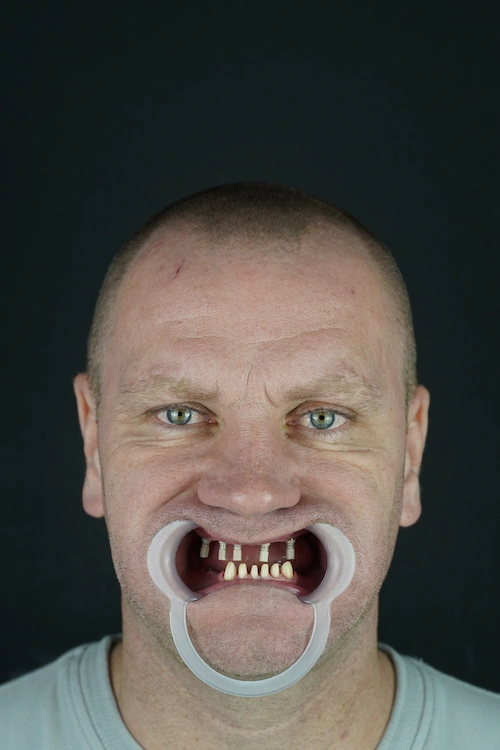

The aftercare of one-day implants is just as much of a concern at Lema Dental Clinic as the surgery itself and consequently, meticulous planning of it is done. Digital diagnostics including 3D CBCT imaging, are the guides to the treatment protocols that are aimed at accurate placement and a controlled healing environment.
Patient education, communication, and follow-up are the values that emphasis is placed on at the Lema Dental Clinic. The aftercare for each patient is a tailor-made product that fits the patient’s needs for stability, oral health, and long-term results.
American Dental Association (ADA). Dental Implant Aftercare and Post-Operative Guidelines.
International Team for Implantology (ITI). Immediate Loading and Aftercare Protocols for Dental Implants.
European Association for Osseointegration (EAO). Clinical Recommendations for Implant Maintenance and Aftercare.
Journal of Oral Implantology. Post-Operative Care and Healing Outcomes in Immediate-Load Implants.
Frequently Asked Questions About One-Day Dental Implant Aftercare
Aftercare is an essential element that ensures the protection of the implant stability during the initial healing phase when the implant integrates with the jawbone.
Among other things, you should refrain from chewing on the implant area, engaging in physically demanding activities, smoking, drinking alcohol, and even touching the surgical site.
Only mild brushing is required, and it is better not to brush at the implant site directly on the first day while the other teeth should be cleaned regularly.
In the beginning, soft, non-chewy foods are ideal because they do not put too much pressure on the implant, which is still in the healing phase.
Yes, but brushing should be done very carefully, and the implant area should not be touched within the first 24 hours, according to the dentist’s instructions.

