


What is D2330?
D2330 is a dental procedure code that refers to the restoration of the front-decayed or damaged anteriors (teeth) with a composite resin material that is tooth-colored. The composite filling is made to imitate the natural color of the tooth so that it is visually indistinguishable from the neighboring teeth. Such a procedure generally comes under the expertise of a professional like Dentist Polen Akkılıç and her team at Lema Dental Clinic, who are specialized in aesthetic restorations. The D2330 code indicates the treatment of decay and small fractures in the front teeth, resulting in a natural look of the tooth without the loss of its original appearance.
Composite fillings, as per D2330, are fabricated from a resin material that is layered. Each layer is cured with a special light before the following layer is placed, thus a very exact repair can be done which is also the natural structure and color of the tooth. Functional as well as aesthetic advantages are ensured by this method. Dr. Polen Akkılıç and her team have made the D2330 procedure their routine and have thereby, through this strong and beautiful result, been able to enliven the smiles of their patients.
When is Dental Code D2330 Used?
Minor Cavities in Anterior Teeth: D2330 is primarily referred to in the case of a small cavity in front teeth. Since composite material is natural-looking, it is very suitable for the most visible areas of the mouth.
Fractures or Chips in Anterior Teeth: A minor fracture or a chip of a front tooth can be restored by D2330 to the tooth’s function and appearance. The composite material easily fits the tooth’s shape, making the restoration indistinguishable.
Cosmetic Restoration: D2330 is mostly a cosmetic application when patients want a front tooth appearance restoration or an enhancement. Tooth-colored composite resin is able to produce a standard and aesthetically pleasing result, as it can match the natural shade of the teeth.
Repairing Tooth Wear: D2330 is also an option to consider when mild tooth wear caused by grinding or aging is the case. With composite resin, the worn part can be rebuilt thus the tooth’s shape and function can be restored.
When Strength Is Not a Primary Concern: D2330 is the right option if a tooth is not subjected to heavy pressure, e.g. those in the back of the mouth. It cannot be used for large cavities or for posterior teeth that require stronger materials because they are subjected to high bite pressure.
What are the Benefits of Using Dental Code D2330?
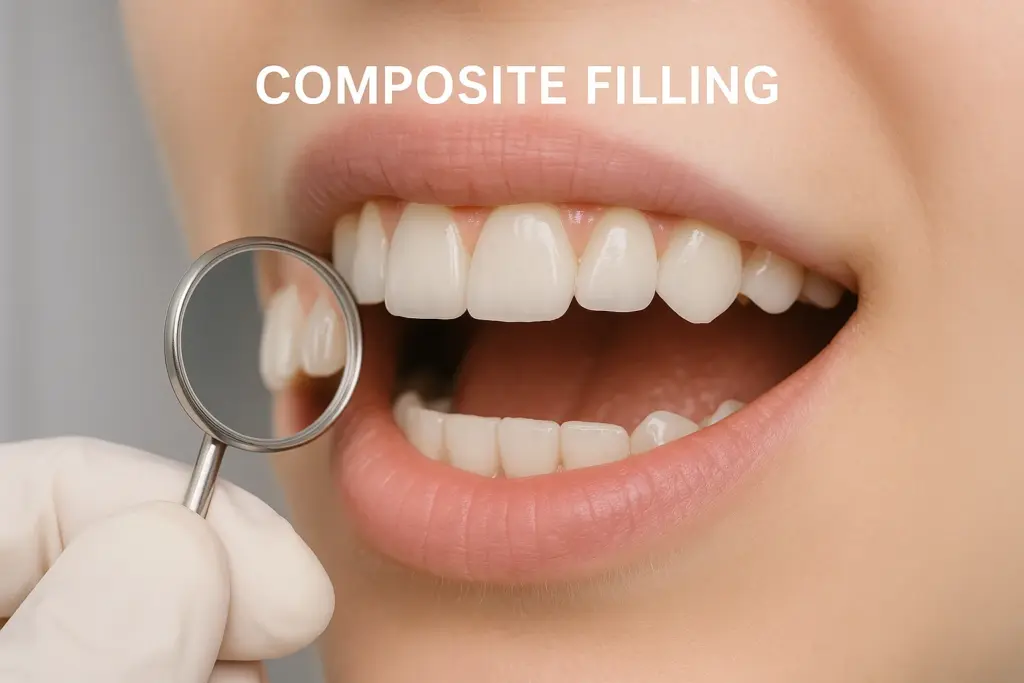
A major advantage, among others, of a D2330 application is its ability to perform a flawless and visually attractive dental restoration. Composite resin comes in many different shades, so it is always possible to find the one that perfectly matches the color of the patient’s natural teeth. Thus, it can be a very positive and significant change for patients who until now were quite worried about the visible parts of the dark amalgam fillings in their front teeth. As a result, with the use of D2330, patients are able not only to recover tooth function but also to get a natural-looking smile. Professor Doctor Coşkun Yıldız and his team at Lema Dental Clinic take care of making this restoration both long-lasting and visually unnoticeable from the surrounding teeth.
Moreover, D2330 offers a much stronger bonding between the filling material and the natural tooth, resulting in a more robust and safer restored tooth. In contrast with amalgam fillings which can cause the weakening of the surrounding tooth structure, the composite fillings which are associated with D2330 strengthen the tooth. The bond thus created is an effective barrier against decay and helps lower the risk of problems in the future. The treatment is gentle and the dentist can save as much of the patient’s natural tooth structure as possible, thus, the restoration will last longer and be more effective. This is the expert care approach with which the Lema Dental Clinic’s team is committed to ensuring that their patients receive the best outcome.
Warnings and Precautions About Dental Code D2330
Extent of Tooth Damage: D2330 is a code that refers to a treatment limited to only minor dental caries or small fractures of the front teeth. If the damage is significant, the restoration of the teeth with crowns or inlays will be the solution for long-term durability.
Moisture Control: The placement of composite fillings should be done on a dry tooth. The presence of moisture or contamination will interfere with the bonding process resulting in weak bonding and a less durable restoration.
Longevity of Fillings: As a matter of fact, composite fillings are strong; however, they can be worn out gradually, particularly if they are in areas of high masticatory force or on molars. The patients should know that these fillings will require replacement or repair at some point in time.
Sensitivity to Staining: Composite fillings have the capacity to stain more quickly than other materials, for example, porcelain or amalgam, and that can happen if the consumption of coffee, tea, tobacco, or dark-colored foods is frequent. Proper oral hygiene will help in the prevention of staining.
Not Appropriate for Large Cavities: In the case of large cavities, composite fillings might not be able to offer the requisite strength to resist the chewing pressure. Therefore, more powerful substances like porcelain or crowns are considered the right choices.
Chance of Shrinkage: When curing, composite resins are likely to shrink a little, hence the possibility of gaps or weak bonding if the application is not done properly. The doctor must use the correct methods to prevent such problems.
When Should You Avoid Using D2330 and What Should You Use Instead?
There are specific instances where D2330 is not appropriate. If the decay is severe, or if the tooth structure is heavily compromised, then the use of composite resin may be ruled out. In such scenarios, the treatment alternatives like crowns, inlays, or onlays might be suggested to give the necessary support to the tooth. Even though composite fillings are good for small cavities, they might not be able to provide enough reinforcement for larger restorations, particularly in the molars where more force is applied during chewing.
D2330 is certainly the best way to fix a lightly broken tooth without going for more invasive methods. A crown made of either porcelain or gold will most likely be the only solution for a severely decayed or heavily damaged tooth. People visiting Lema Dental Clinic are examined in detail, and hence the best restorative treatment is selected based on their evaluation, thus making each treatment plan different from one another and customized to the patient’s individual needs.
Case Study for D2330
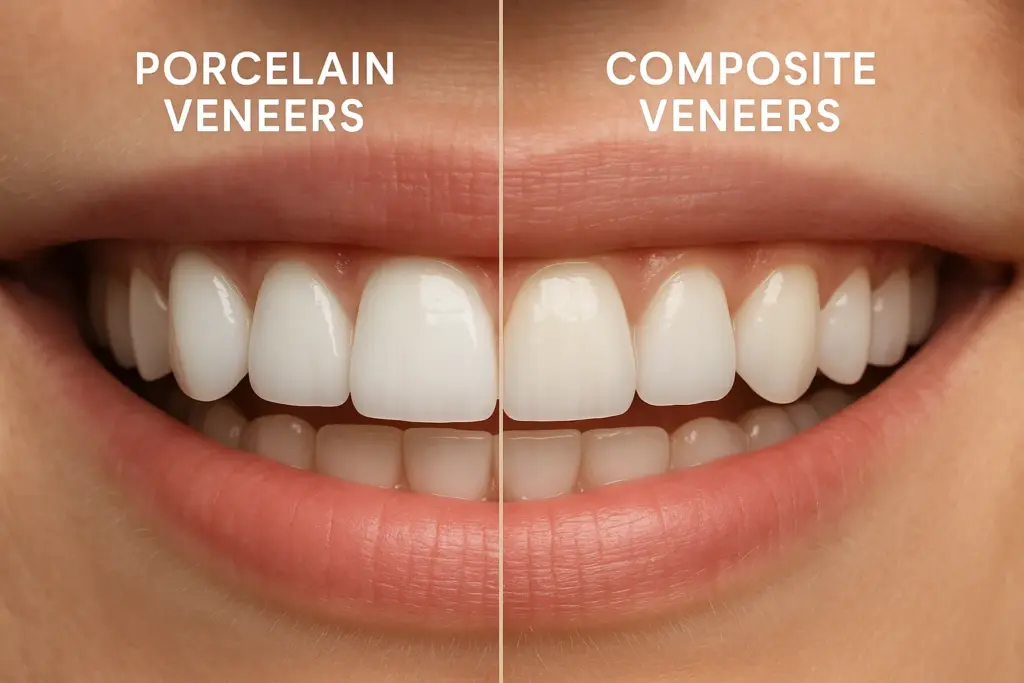
A patient in their mid-forties came to the Lema Dental Clinic to have a small cavity in their upper left lateral incisor treated. Following a thorough examination, dentist Polen Akkılıç advised a D2330 composite filling as the optimal solution. The patient was extremely concerned about the appearance of the filling as the cavity was in a highly visible area. However, the composite resin was matched to the color of the adjacent teeth after the treatment, so the restoration appeared to be as natural as possible. The patient was so pleased with the outcome that the filling could not be seen, and thus their smile was like it used to be. Besides being an excellent method to make the tooth attractive again, the composite filling is also a powerful and long-lasting solution that will continue for a long time.
Comparison of Dental Filling Materials
| Material | Aesthetic Quality | Durability | Cost | Ideal Use |
| Composite (D2330) | Excellent (Tooth-colored) | Moderate to High | Moderate | Anterior teeth, small cavities |
| Amalgam | Poor (Silver color) | High | Low | Posterior teeth, large cavities |
| Ceramic/Inlays | Excellent (Tooth-colored) | High | High | Larger cavities, posterior teeth |
References
- American Dental Association. (2020). Code on dental procedures and nomenclature. https://www.ada.org/en/publications/cdt
- Berg, J. H., & Yip, J. (2018). Restorative dentistry: An update. Journal of Clinical Dentistry, 29(2), 45-49. https://doi.org/10.1016/j.jcd.2018.03.002
- Dentistry Today. (2021). Composite resin restorations: The choice for aesthetic dental work. Dentistry Today, 40(9), 34-40. https://www.dentistrytoday.com
- Gordan, V. V., & Shen, C. (2020). The role of composite fillings in modern restorative dentistry. The Journal of Esthetic and Restorative Dentistry, 32(1), 45-52. https://doi.org/10.1111/jerd.12634
- National Institute of Dental and Craniofacial Research. (2021). Dental fillings. National Institutes of Health. https://www.nidcr.nih.gov/health-info/dental-fillings
Frequently Asked Questions About Dentistry Code D2330
D2330 refers to the use of composite resin to restore a decayed or damaged anterior tooth. The procedure is used to fill cavities or repair minor fractures, providing a natural-looking result.
D2330 is used when there is a small cavity or minor damage to an anterior tooth. It is ideal for patients who want an aesthetic restoration that blends seamlessly with their natural teeth.
Yes, D2330 composite fillings are durable and long-lasting, but they are not as strong as metal fillings. They are best used for small cavities in anterior teeth, where aesthetic appearance is a priority.
No, D2330 is not typically used for posterior teeth, as these teeth endure more pressure during chewing. For larger cavities in back teeth, other restorative options like crowns or inlays are recommended.
Composite fillings placed using D2330 can last between 5 to 10 years, depending on factors such as the size of the cavity, the location of the filling, and the patient’s oral hygiene practices.
Most dental insurance plans cover D2330 composite fillings, but it’s important to check with your provider to understand the specific coverage details
Avoid eating sticky or hard foods for at least 24 hours after the procedure. Regular brushing and flossing are essential to maintain the filling and prevent staining.
Teeth whitening treatments do not affect composite fillings, so they will remain the same color. However, the natural teeth around the filling may change color, leading to a contrast.
If your composite filling cracks, contact your dentist immediately to have it repaired or replaced. Early intervention can prevent further damage to the tooth.
D2330 is an excellent option for anterior teeth because the composite material can be matched to the natural color of the teeth, providing a seamless, aesthetic result.

