


Understanding Dental Code D7880
Dental Code D7880 is associated with the use of occlusal orthotic devices. These are specialized treatments mainly for issues such as temporomandibular joint (TMJ) disorders, bruxism (teeth grinding), as well as other bite problems. The main purpose of occlusal orthotics under the guidance of a dental professional like Dr. Polen Akkılıç and her team is to redirect and realign the teeth, thus releasing the patient from the pain caused by the aforementioned disorders. The occlusal orthotic device is the patient’s dental anatomy’s most fitting appliance since it is made to be perfectly suitable for the patient’s unique dental structure. The application of these methodologies will allow the forces that are exerted on the jaw and the teeth to be well distributed, consequently, lessening the pressure on the temporomandibular joints and at the same time securing the joints from getting damaged due to wrong alignment.
The great advantage of just one utilization of D7880 occlusal orthodontic apparatus including the achievement of the convent relief of mandibular pain, weakening severe bruxism, and guarding the teeth from extended irreversible wear patterns can be considered primary. In general, they are made of durable materials such as acrylic or composite resins, which are selected for their robustness to the loads developed during mastication and phonation. Designed especially for a patient’s condition, occlusal devices may also be utilized to manage facial pain and to elevate the sufferer’s standard of living.
When is D7880 used?
The dental code D7880 is normally implemented in the event that patients exhibit symptom manifestations of temporomandibular joint disorders (TMJ), such as pain in the jaw, clicking, or popping noises, or difficult movement of the jaw, after having consulted with skilled dentists like Professor Doctor Coşkun Yıldız. Besides, this therapy is indispensable for individuals stricken with bruxism which is a phenomenon typically characterized by grinding and/or clenching of teeth in an unconscious manner, usually during sleep time. As a result, through bruxism, it is made in the long run that enamel is worn down, the teeth become sensitive, and even a fracture may occur in which case occlusal orthoses become the source of essential preventative action.
The treatment code is also applied to those patients diagnosed with malocclusion, which is the improper fit of the upper and lower teeth to one another. Malocclusion may lead to uneven wear of the teeth, strain of the jaws, and an increased probability of the occurrence of other dental issues. When traditional orthodontic treatments are not an option, occlusal orthotics might still be able to offer a rather quick relief from symptoms as well as the prevention of future damage.
How Dental Practices Use D7880?
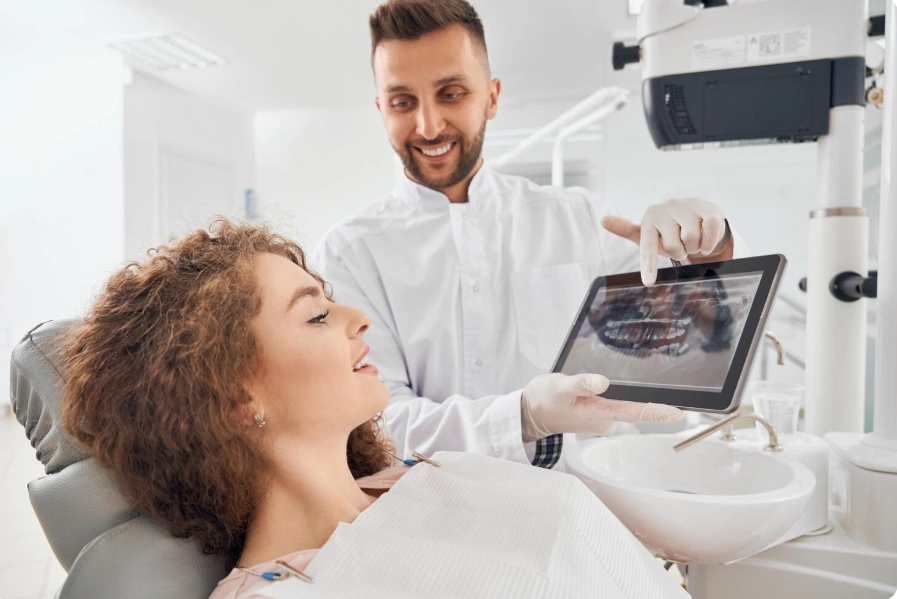
Lema Dental Clinic implements Dental Code D7880 after a diagnostic process is thoroughly done by Dentist Polen Akkılıç and her team. The process is initiated with a detailed examination of the patient’s bite and jaw alignment, which is usually done with X-rays or advanced 3D scans. After the dentist has evaluated the patient’s condition, a custom occlusal orthotic device is made to conform to the unique contours of the patient’s mouth. The device is generally made of clear, durable materials, thus both comfort and effectiveness are ensured.
Once the device is fabricated, patients will be taught the proper way of using it. In any case, it might be that the patient has to wear the device during the night or while doing some activities. It will depend on the intensity of the condition that is being treated. The patient’s progress will be checked through regular follow-up appointments, and occlusal orthotic device adjustments will also be carried out at these visits. At the point where the modifications are done, they make sure that the device still fits comfortably and that the therapeutic goals are being met.
Advantages and Disadvantages of Using Dental Code D7880
Advantages:
- Symptom Relief: Dental Code D7880 along with occlusal orthotics is mainly used to relieve symptoms related to TMJ disorders, bruxism, and bite misalignments, which is one of the most significant benefits of these appliances. The device changes the area on the jaw where the pressure is applied; thus, pain, stiffness, and general discomfort are relieved in the temporomandibular joints (TMJ).
- Prevention of Further Damage: Occlusal orthotics prevent grinding and clenching as they separate the upper from the lower teeth, thus no further wear can take place on these surfaces, especially in those who suffer from bruxism.
- Bite Improvement: With the help of the device, bite can be realigned by recorrecting the positioning of the teeth which can, in turn, reduce the overexertion of the jaw and improve overall dental functionality.
- Non-invasive Treatment: Occlusal orthotics are among the non-invasive treatment options available. They do not require any sort of surgical operation or any other invasive procedure and consequently lead to fewer bite-related complications.
- Enhanced Life Standard: Thanks to the painlessening effect of occlusal orthotics, the patients’ general quality of life can be substantially improved. Plenty of patients report an overall improvement in sleep quality, a decrease in headache frequency, and the alleviation of jaw pains due to device use.
Disadvantages:
- Initial Discomfort: There is a chance that the patient might be feeling uncomfortable or even painful when they start to use an occlusal orthotic device. As it is typical, the mouth changes the new alignment, and it may take quite a long time before the patient is completely ok with the device.
- Temporary Solution: The point is that occlusal orthotics are only temporary stops on the way. They mask symptoms, but after a while, one might have to look for solutions to the underlying problem of bite misalignment or TMJ disorders. In some cases, permanent treatment such as surgery or orthodontics may be required.
- Cost: The price of a just-for-you occlusal device is usually high, particularly if various adjustments have to be done. This price may become a big issue for some individuals, especially if they will use the device for a long time.
- Device Care and Adjustment: The device will have to be taken care of properly if it is to remain efficient and will have to undergo regular adjustments. This usually means follow-up visits to the dentist who will monitor the patient’s dental status and make any changes that might be necessary; hence, the time and money involved will increase as well.
- Not Suitable for Everyone: Some patients may not benefit from occlusal orthotics, and this is nothing unusual. Those who have severe jaw or teeth structural problems may not get enough relief from the device and consequently, other alternatives will most likely be suggested.
Cautions Related to Dental Code D7880
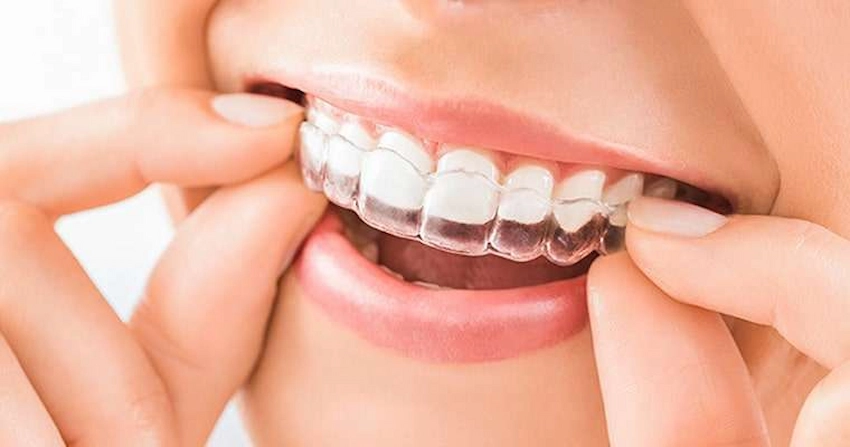
What we need to keep in mind are the important cautions that accompany the use of occlusal orthotics if we want to achieve great results. Patients must adhere to the instructions of the dentist, for example, wearing the appliance for only the time that is indicated and cleaning it in the proper way so as not to let bacteria grow. Disregarding instructions may cause the patient to feel uncomfortable, the work to be ineffective, or new dental problems to appear. In particular, an overlong use or a wrong use of the device may bring about a worsening of the symptoms or a change in the alignment.
Furthermore, it is very important that patients maintain their regular follow-up visits at Lema Dental Clinic, where Dentist Polen Akkılıç and her crew will evaluate the device’s fit to the patient and make the necessary changes. If the changes are not done properly, the imbalance in the jaw may get even worse and the therapeutic benefits of the device will be lost. Patients should also realize that occlusal orthotics are a means of symptom relief rather than an actual cure. In case symptoms become more intense or continue to exist, there is a need for additional treatments or a permanent solution.
D7880 Procedures: What Are the Limitations?
Limitations:
- Temporary Symptom Management: The use of D7880 is very efficient in symptom control of TMJ disorders, bruxism, and malocclusion; however, it does not give a permanent solution to these problems. The occlusal orthotic device is a source of comfort and protection for the teeth but it is not a device that structurally heals the jaw or the alignment of the teeth. To have long-term correction, patients will be required to have additional treatments like orthodontics or surgery.
- Dependence on Precise Fitting: The extent to which the success of the D7880 operation is dependent on the precision of the fitting of the device is very significant. An incorrectly fitted device might be the source of new pain or the aggravation of old problems. Patients need to make sure that the dentist not only adjusts the device properly but also fits them comfortably by scheduling regular follow-ups with the dentist.
- Limited Effectiveness for Complex Cases: Occlusal orthotics might merely offer a limited relief of symptoms in patients with severe jaw misalignments, coupled with considerable dental problems. In such instances, the appliance may not necessarily be able to eradicate the etiological factors of symptoms; thus, more drastic options such as jaw surgery and complicated orthodontic treatments may have to be utilized.
- Temporary Discomfort During Adjustment: At the beginning of the adjustment period of the use of the occlusal orthotic device, patients sometimes experience discomfort due to mouth adjustment to the new alignment. Normally, it is just for a short period, but it can really be a nuisance to a few patients, and thus they will have to be patient and maybe the device needs to be adjusted again.
- Potential for Over-reliance: Even though the occlusal device is useful for symptom management, some patients may become excessively and uncritically dependent on it and as a result, they will neglect other necessary treatments. The patient has to understand that he/she should not only use the occlusal device but also comply with the entire treatment plan given by the dentist which may include lifestyle changes or exercises that will eventually lead to the improvement of his/her condition.
Comparison of D7880 with Related Dental Codes
| Dental Code | Description | Purpose | Treatment Scope | When Used |
| D7880 | Occlusal Orthotic Device | Designed to manage symptoms of TMJ disorders, bruxism, and malocclusion. | Primary treatment for bite misalignments and jaw issues, providing symptom relief. | Used for the initial fitting of occlusal orthotics to address pain, discomfort, and bite misalignment. |
| D7881 | Occlusal Orthotic Adjustment | Adjustment or modification of an existing occlusal orthotic device. | Fine-tuning the fit of the orthotic device for ongoing comfort and effectiveness. | Used when the initial device requires adjustments after use or to improve fit and functionality. |
| D7882 | Occlusal Orthotic Reline | Reline of an existing occlusal orthotic device to restore its fit. | Modifying the device to ensure it remains effective after changes in the patient’s bite. | Used when there is a significant change in the patient’s bite, necessitating a reline to maintain comfort and efficacy. |
| D7883 | Occlusal Orthotic Repair | Repair of an occlusal orthotic device that has been damaged. | Restores the functional integrity of the device. | Used when the occlusal device has been damaged or worn out and needs repair to continue providing therapeutic benefits. |
Example Case of D7880
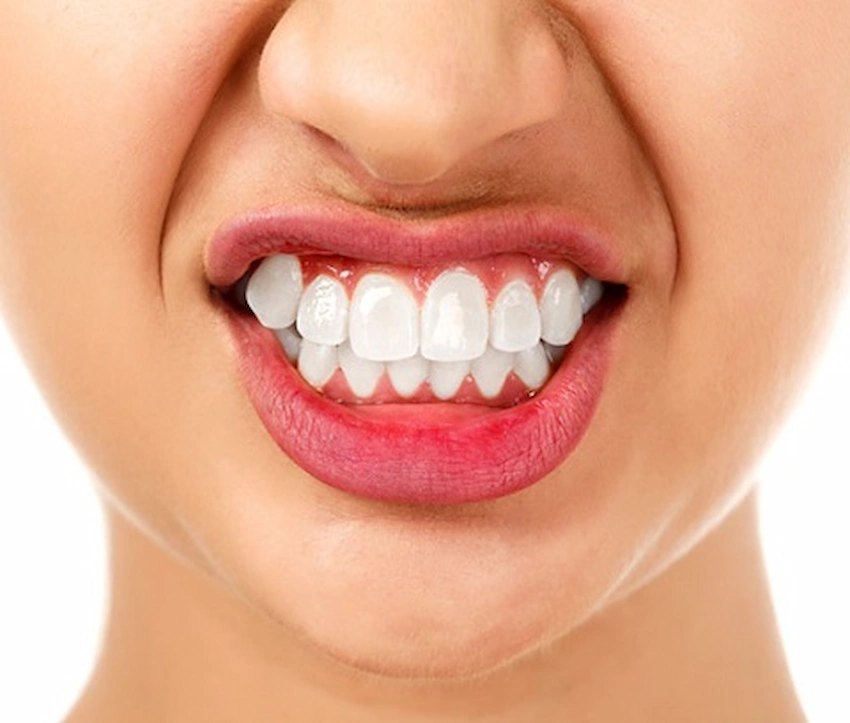
Let us take the example of a patient named Sarah, whose case was extremely difficult due to chronic jaw pain and heavy enamel wear caused by bruxism. A thorough consultation with Dentist Polen Akkılıç and her team led to the decision that an occlusal orthotic device under Dental Code D7880 would be the best method to tackle the problem. Sarah was fitted with a tailor-made device and was instructed to use it at night so as to shield her teeth and relieve the pressure on her jaw joints. After some weeks, Sarah informed the staff that she had experienced a large decrease in her jaw pain and that there had been no further wear of her teeth. Follow-up visits ensured proper fit of the device, and Sarah felt a great improvement in her life.
This is a case of the use of Dental Code D7880 as an effective method in dealing with bruxism and TMJ disorders. The occlusal orthotic device offered a quick solution to Sarah’s problem, which was the protection of her teeth and the reduction of the pain. Nevertheless, the underlying bite misalignment was to be eventually fixed through further orthodontic treatment.
References
- American Dental Association. (2020). Code on Dental Procedures and Nomenclature. ADA.
- Johnson, D., & Smith, T. (2019). The effectiveness of occlusal orthotics in managing TMJ disorders: A clinical review. Journal of Dental Research, 98(4), 1123-1130.
- O’Connell, A. (2018). Bite alignment and occlusal orthotics: An overview. Journal of Oral Rehabilitation, 45(5), 364-371.
- Williams, M., & Clark, R. (2021). Temporomandibular disorders and occlusal devices. Dental Clinics of North America, 65(3), 463-475.
Frequently Asked Questions About Dental Code D7880
Dental Code D7880 is used for creating and prescribing occlusal orthotic devices designed to manage symptoms of TMJ disorders, bruxism, and misaligned bites. These devices help alleviate pain, protect the teeth, and improve bite alignment.
Occlusal orthotics work by redistributing the forces placed on the jaw and teeth, reducing pressure on the temporomandibular joint, and preventing damage from teeth grinding. They help realign the bite and provide relief from discomfort.
D7880 is effective for managing bite-related issues like TMJ disorders and bruxism, but it may not be suitable for all patients. Its primary role is to alleviate symptoms and protect the teeth, not to correct structural misalignments.
The duration of use depends on the patient’s condition. Most patients are advised to wear the device at night, but in some cases, daytime use may be recommended. Your dentist will provide personalized guidance.
Some patients may experience mild discomfort or irritation, especially during the initial adjustment period. If discomfort persists, adjustments can be made by your dentist to improve the fit.
Occlusal orthotics help manage the symptoms of TMJ disorders, but they do not cure the underlying condition. Additional treatments may be needed for long-term correction, such as orthodontics or surgery.
Insurance coverage for occlusal orthotics under D7880 can vary. It is advisable to check with your insurance provider to understand the specifics of your coverage.
Yes, occlusal orthotics can be used for children with bruxism or bite misalignment, but the treatment plan should be customized by a pediatric dentist or orthodontist.
Your dentist will provide detailed instructions for cleaning and caring for the device. Regular maintenance is essential to ensure its effectiveness and hygiene.
Yes, D7880 can be used for severe bruxism cases to protect the teeth from further damage and alleviate symptoms. However, additional treatments may be required for comprehensive management of the condition.

