


It is quite unpleasant to come across a bunch of dental codes after your dentist explains the treatment plan that you need, and not understand what’s going on. A code D6750 is an indication of the most important and a single vital restorative procedure that is out of necessity designed to rescue and reinforce a tooth that is already damaged. An article is presented here, which serves as a detailed, patient-friendly guide to the D6750 dental code, providing insight into what it is, why you need it, the steps involved, and what you can expect for your investment and oral health.
What is Dental Code D6750? A Clear Definition
Dental Code D6750 refers to a single dental operation, which is a crown restoration with support from a prefabricated post and core. Let’s find out more about the implications of this for your tooth.
- Crown: A crown is a tailor-made, tooth-shaped “cap” that fits your old tooth perfectly. Crowns are made of various strong, tooth-colored materials like porcelain fused to metal or all-ceramic zirconia. The crown is the one that completely covers your visible tooth structure above the gum line; hence, it is the original shape, size, strength, and look of the tooth that are restored.
- Prefabricated Post: In the case of a tooth that has had a large part of its structure removed, a factory-made post (usually titanium or fiber-reinforced) is implanted into the root canal of your tooth to provide support. This post becomes the secure anchor within the tooth’s support, thus it is an exceptional stability provider for the final crown.
- Core: The core is the material that replaces the part of the tooth that is missing and is rebuilt around the post. The core thus becomes a firm and stable basis, which enables the crown to be fixed securely on it.
In reality, D6750 is a code depicting a single solution in three separate parts. While the post is the one giving support from the inside, the core rebuilds the tooth’s body, and the crown completes the restoration in terms of function and even the looks. This is a different code from a normal crown (D2740) in that it only shows the insertion of a prefabricated post and the making of a core, which are the steps that a tooth with extensive damage has to follow.
When is a Crown with a Post and Core (D6750) the Right Treatment?
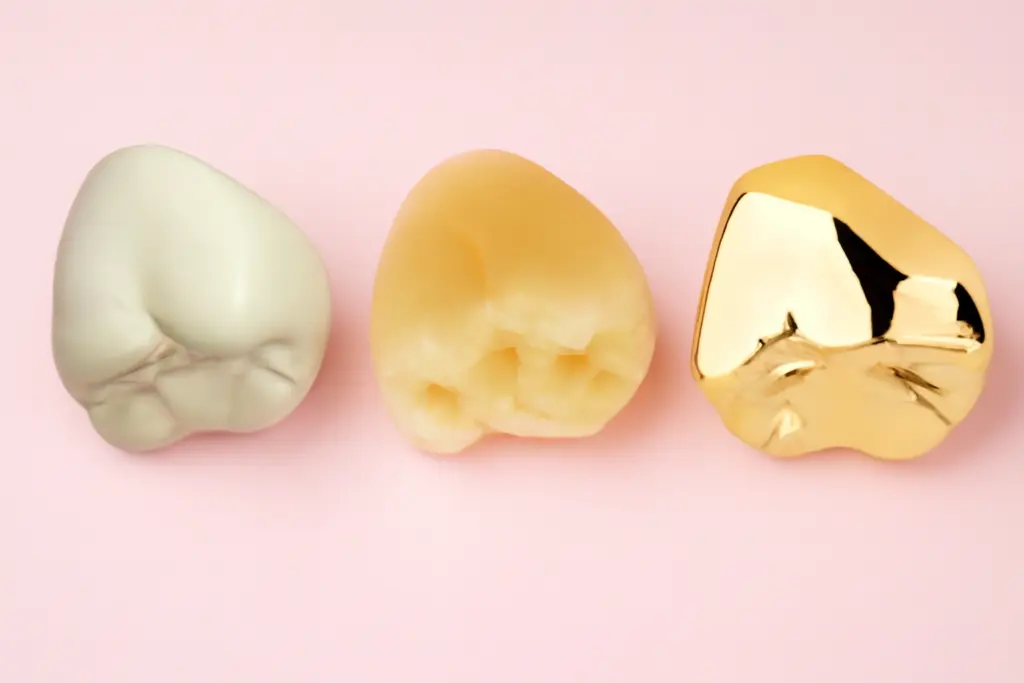
We advise a crown with a post and core for those teeth that have become too weak to be able to support a crown. This is a procedure that precedes the natural tooth extraction by a step or two. The most frequent situations in which D6750 is needed are:
- After a Root Canal Treatment: A root canal treatment is a method whereby the infection is removed from the inner pulp of the tooth. It is the necessary step for eliminating the infection and preserving the tooth structure. The problem is that after the procedure, the tooth is left hollow and more brittle. The right solution is a post and core foundation, followed by a crown, thus the tooth is internally reinforced and externally protected, making it able to withstand normal chewing forces for a long time to come.
- Extensive Decay or Fracture: The situation when a huge cavity or a crack has caused the destruction of a large part of the crown of your tooth, and there remains very little healthy structure to which a filling can be attached or a standard crown can be supported, is the most common one. It is the post that supplies the retention that the natural tooth can no longer provide.
- Replacing a Large Failed Filling: The existing large filling fails or new decay forms around it, and the remaining tooth walls become weak – these are the first signs that the situation is going to get worse. To be sure, a post and core procedure takes the ball from here and rebuilds the tooth starting from the innermost side, thus a replacement filling is more reliable and durable than if it were the only one made.
The method of doing this is by far tooth preservation, the major benefit of this procedure. The saving of the natural tooth root is what keeps the jawbone healthy and the natural smile foundation intact.
The D6750 Procedure: A Step-by-Step Guide to Your Care
It is a good thing to know the steps of your dental procedure, as it makes you feel confident and mentally prepared. Below you have a simplified and clear stepwise description of the events during the D6750 treatment, which leads to knowing what to expect.
- Tooth Preparation and Post Space Creation: Firstly, for your complete comfort, anesthesia is gently administered to the area. The tooth is then prepared by the removal of old fillings and all decay. Precision instruments are used on the root canal to make a small, conservative space for the prefabricated post to fit perfectly.
- Post Placement and Core Buildup: The chosen prefabricated post is securely glued in the space that has already been prepared in the root of your tooth. The post becomes a fixed anchor. After that, the durable composite resin is applied to the post as well as to the remaining tooth structure. The material is shaped into a new solid “core” that resembles the shape of a prepared tooth.
- Impression for Your Permanent Crown: After the core has been set, a highly accurate digital scan or physical impression of the prepared tooth, along with the surrounding teeth, is taken. This model is sent to a professional dental laboratory where skilled technicians will use it to make your permanent, custom-matched crown. The temporary crown is going to protect the prepared tooth till the final crown is ready, which will be placed at this visit.
- Permanent Crown Placement: After the return of the permanent crown from the lab, there is a short and comfortable fitting appointment. The temporary crown is taken off, the new crown’s fit, bite, and color are checked for perfection, and then the crown is permanently cemented onto your prepared core. The result- a fully restored tooth that is strong, functional, and visually seamless with your natural smile.
Knowing About the Costs and Value of D6750
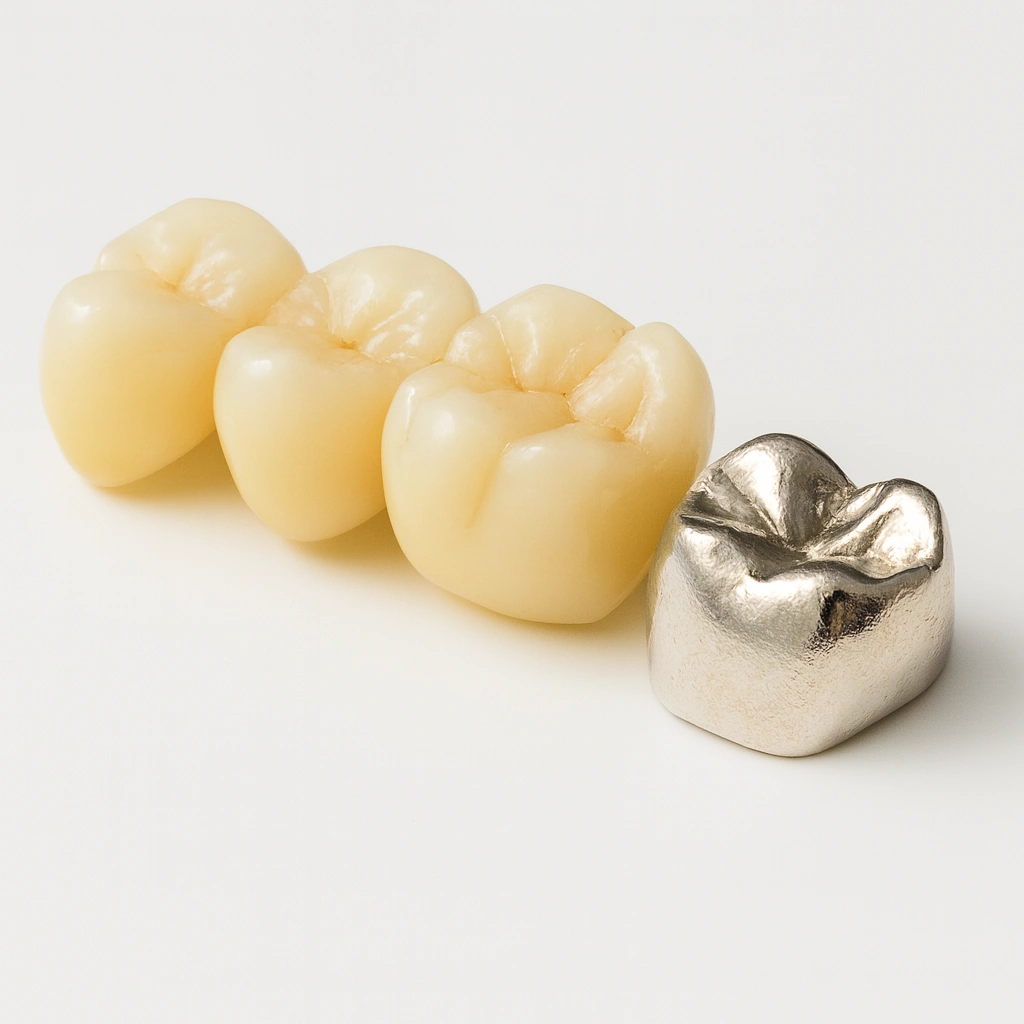
The cost of a D6750 crown is mostly more than a standard crown as a result of the extra materials and laboratory work. A lot of factors determine the final price:
- Location: The fees are different depending on the regional cost of living and practice overhead.
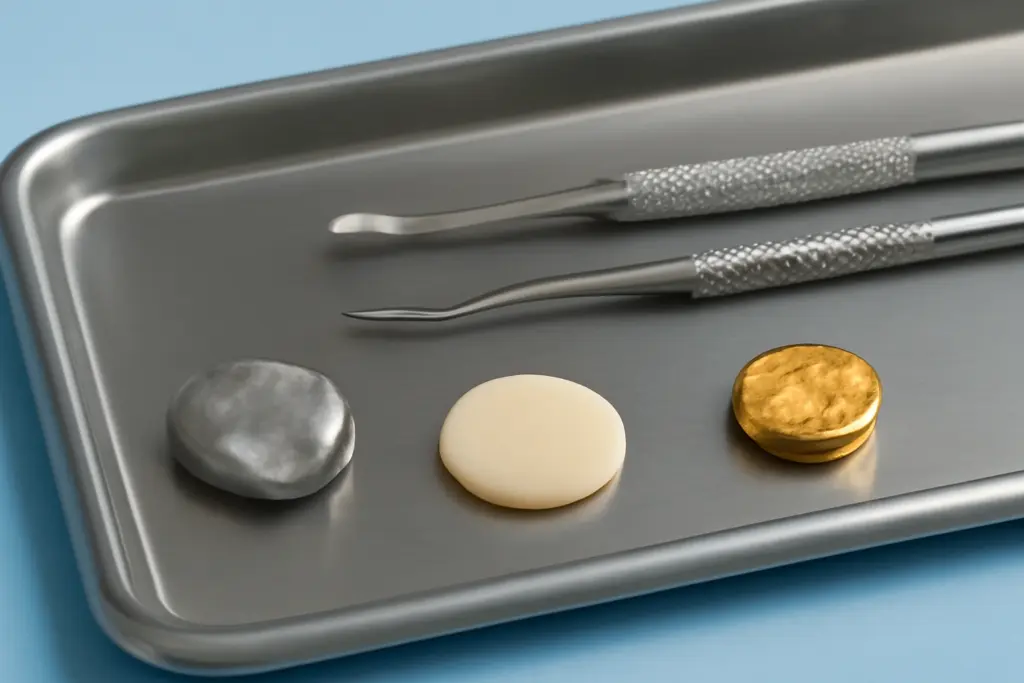
- Chosen Dental Material: The material of the crown, be it all-porcelain, porcelain-fused-to-metal, or zirconia, will affect the cost.
- Laboratory Fees: The dental laboratory’s quality, which we choose to work with, influences the cost.
You can expect D6750 to cost from $1,400 to $2,200 or more per tooth on average. A definite and personal estimate is only possible after a consultation at our office. Most dental insurance plans give coverage for crowns with posts and usually cover 50% or more of the cost after your deductible is met, since it is a medically necessary procedure to save a tooth. Before your treatment starts, our administrative team will help you find out your benefits and the part of the payment you will have to take care of.
The Long-Term Success of Your Dental Crown
The care of a crown with a post and core, done properly, will be able to extend its reliable service for decades. Follow these simple but efficient ways to protect your investment:
- Oral Hygiene of the Highest Standard: Brushing of the teeth should be done twice daily using a toothbrush with soft bristles and fluoride toothpaste. Floss should be used around the crown daily, and special attention should be paid to the area where the crown meets the gumline in order to prevent new decay.
- Regular Visits to the Dentist: Professional cleanings and examinations should be done at our office at least twice a year. During these appointments, not only do we monitor the health of your crown and check your bite, but we also spot any potential problems in their early, manageable stage.
- Eat a Tooth-Healthy Diet: Sugar and acidic foods should not be consumed in large quantities. The foods should not be utilized as tools to open packages, or the teeth chewing on hard objects like ice, pens, or hard candies should not be consumed as a way to prevent the damage of both natural teeth and dental crowns.
The success of a full cast crown (D6750) largely depends on several factors, including:
- Tooth Condition: The degree of the tooth structure left will be the determinant of the crown’s capacity to be held firmly in place.
- Oral Hygiene: Good oral hygiene is a must to hold off decay around the crown as well as in the neighboring tooth.
- Crown Material: The better the materials used for the crown, the more durable and attractive it will be.
Alternatives to Full-Cast Crowns
A full cast crown may be the best option for some patients, but there are other types of crowns, namely:
- Porcelain-Fused-to-Metal Crowns (D6751): These crowns give a closer to the natural look while still being strong.
- All-Ceramic Crowns (D2740): The naturalness of these crowns makes them the perfect choice for front teeth; however, they may not be as strong as full cast crowns for back teeth.
Conclusion: A Confident Step Toward a Healthier Smile
Dental Code D6750 is a hallmark of a contemporary, dependable, and dental-saving method. It is the very operation that makes a dent in the compromised tooth, thus turning it into a solid, fully functional, and aesthetically pleasing element of your smile; hence, it is done predictably. As a patient, if you are aware of the goal, the operation, and the aftercare, you have full power to make the decision regarding your oral health.
If your tooth is fractured or has been through root canal treatment, please do not be reluctant to phone our clinic and book an appointment. We will perform a thorough check-up, talk through with you all the possibilities for the treatment, and guide you towards the way of getting your dental health back and smile beautification.
Sources:
- American Dental Association. (2023). Current Dental Terminology (CDT). ADA Catalog.
- Rosenstiel, S. F., Land, M. F., & Fujimoto, J. (2015). Contemporary Fixed Prosthodontics (5th ed.). Elsevier.
- Schwartz, R. S., & Robbins, J. W. (2004). “Post Placement and Restoration of Endodontically Treated Teeth: A Literature Review.” Journal of Endodontics, 30(5), 289–301.
Frequently Asked Questions About Dental Code D6750
You will feel completely comfortable during the procedure. We use local anesthesia to numb the tooth and the surrounding area. It is common to experience some mild sensitivity or tenderness in the days following your appointments, which you can easily manage with over-the-counter pain relievers as we recommend.
Full cast crowns can last anywhere from 15 to 20 years with proper care, making them a durable and cost-effective solution for tooth restoration.
Many dental insurance plans provide partial coverage for full cast crowns, though coverage may vary depending on your provider and plan.
This is a very safe and predictable procedure. In rare cases, a root with a post may have a slightly higher chance of a vertical root fracture compared to a root without one. Our dentists perform a thorough evaluation to ensure your tooth is a good candidate for this treatment, prioritizing the long-term health of your tooth structure.
If a full cast crown is damaged, it may need to be replaced. However, the surrounding tooth may not require additional treatment if the crown is still intact.

