


Dental Code D6210
Dental Code D6210 refers to a pontic that is made with a cast high noble metal and is used in a fixed dental bridge to replace a missing tooth. Dr. Polen Akkılıç and her team apply this code when the treatment involves a gold- or platinum-based alloy that provides exact strength and good tissue compatibility. The code allows accurate billing and shows that the restorative procedure is the exact one with the material chosen. Such transparency helps the patient to realize how the pontic material not only changes the clinical result but also the insurance approval process.
Oral and maxillofacial surgeon Coşkun Yıldız states that high noble alloys keep their stability even after long-term oral function and offer a predictable resistance to corrosion. Thus, the D6210 pontic is one of the most reliable from a medical point of view for structurally strong patients. For instance, a patient like Mr. K. who has bruxism and heavy occlusal force is “shielded” by the high noble makeup which decreases the risk of fracture and still allows the bridge to function properly. The code is also a great tool for the dental team to safely and transparently document the treatment plan.
When to Use D6210 Dental Code
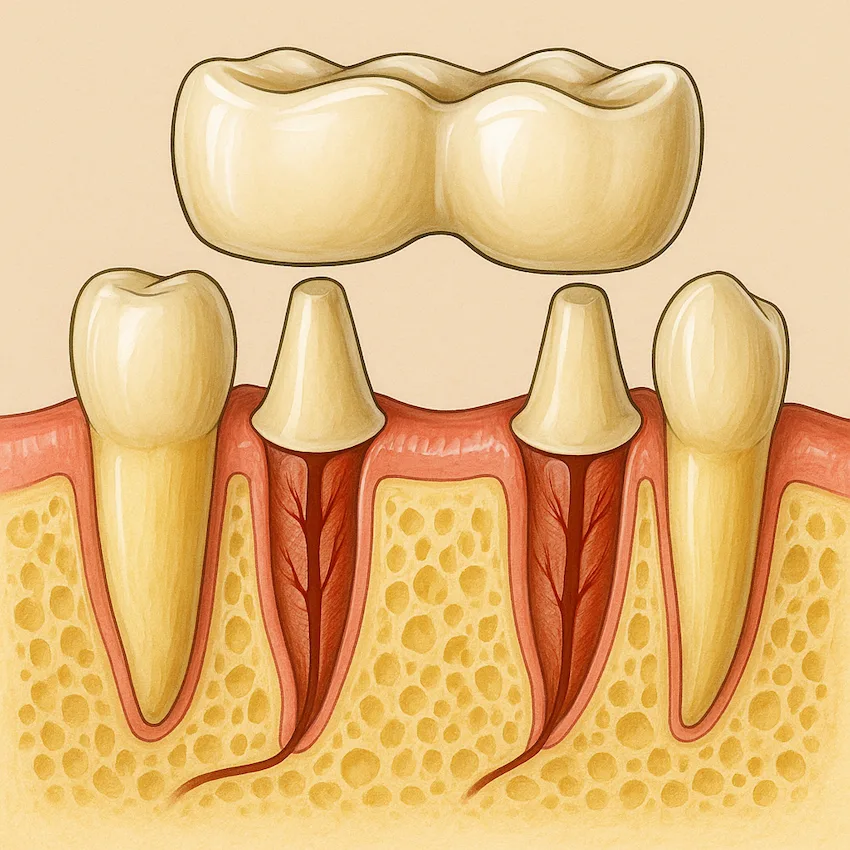
Dentist Polen Akkılıç and her staff decide on Dental Code D6210 when they have a patient who needs a pontic made from a high noble metal alloy. They resort to this coding during the treatment of fixed bridges fabricated from gold, platinum, or palladium alloys. Besides the excellent biocompatibility and predictable response under masticatory forces, these metals give the patient important medical advantages. For instance, a patient on medications such as amoxicillin during periodontal therapy still requires long-lasting restorative strength, thus making high noble metal the safest material for the patient.
When a patient has complicated medical conditions, Professor Doctor Coşkun Yıldız uses the D6210 code. Patients who have systemic problems like hypertension or diabetes require reliable prosthetic materials in order not to cause inflammatory side effects. High noble metals show very stable interactions with the gingival tissues, therefore the risk of irritation is lowered. As CDT coding is supposed to reflect the actual materials used in the restoration, the D6210 code is the one that allows the clinical procedure and billing documentation to be in proper gauge.
How the D6210 Procedure Works: What to Expect?
The D6210 procedure is initiated with a complete diagnostic evaluation that comprises radiographs, periodontal analysis, and occlusal assessments. Dentist Polen Akkılıç and her team decide the treatment plan with the patient, illustrating the function of the high noble metal pontic in supporting oral function for the long term. The clinician gets the abutment teeth ready, makes accurate digital impressions, and communicates with the dental laboratory to create the pontic from a certified high noble alloy.
In case the patient is in need of a medication such as chlorhexidine mouth rinse or ibuprofen for comfort before the procedure, they get clear instructions before the appointment.
As part of the last-level fitting, Professor Doctor Coşkun Yıldız examines tissue contour, margin precision and occlusal stability. The pontic must fit tightly, but it should also be able to put safe pressure on the gingiva so that it stays healthy for a long time. The patient is taught the brushing technique, interdental cleaning, and use of hygiene implements such as a superfloss or an interdental brush. Regular follow-up visits allow the dental team to keep the soft tissues healthy, monitor for inflammation and ensure that the high noble pontic is still functioning safely.
Advantages and Disadvantages of Using Dental Code D6210
Dental Code D6210 is a great clinical solution that offers durable bridge restorations. With the release of the high-noble metal alloy, the bridge becomes super stable and can withstand strong bite forces, which makes it the safest area for posterior teeth or patients with parafunctional habits. Dr. Polen Akkılıç and her staff consider it the best material for those patients who are in need of long-term predictability. Since high noble metals resist corrosion and keep the exact structural form, they lessen the replacement intervals. A patient like Ms. S., who has a past record of tooth wear and is in need of a stable prosthetic base, is very much benefited greatly from this material.
On the other hand, D6210 materials might not always be able to meet esthetic expectations, particularly in anterior teeth. Being a high-noble metal alloy, it doesn’t resemble tooth color naturally. Professor Doctor Coşkun Yıldız shares that some other materials like porcelain-fused pontics can give more brilliance to the smile while front teeth are being treated. Patients on medications that influence the appearance of gums—such as nifedipine—may choose porcelain to even out the color changes. The doctor goes through the function, esthetics, and cost thoroughly before finalizing the code.
Cautions Related to Dental Code D6210

The dental code D6210 should reflect the dental material that is actually used for the pontic. Dentist Polen Akkılıç and her team write the alloy composition in the clinical record to be in line with the insurance and ethical standards. If a high noble metal is used to fabricate the pontic, then the CDT code should be the one that reflects this exactly. The written record may consist of the laboratory report, diagnostic images, periodontal notes, and material verification. This method is a guarantee that the insurance company gets the correct medical information supported by clinical data.
Some patients, however, need extra measures. To illustrate, those on medications such as warfarin or metformin need thorough evaluation so that gingival healing can remain stable after abutment preparation. Professor Doctor Coşkun Yıldız is always vigilant of the soft tissue’s reaction and he modifies the pontic contour to release the area from irritation. Patients are given the necessary hygiene instructions to prevent inflammation, and the healthcare professional makes sure that the material is not causing any irritation to the patient’s oral tissues.
Comparison of D6210 with Related Dental Codes
Pontic Material Comparison Table
| CDT Code | Material Category | Primary Use | Clinical Notes |
| D6210 | Cast High Noble Metal | Fixed Bridges | Gold, platinum, palladium; high stability |
| D6205 | Cast Noble Metal | Fixed Bridges | Moderate noble content; alternative cost structure |
| D6211 | Cast Base Metal | Fixed Bridges | Economical option with less corrosion resistance |
| D6240 | Porcelain Fused to High Noble Metal | Esthetic Zones | Strength + cosmetic appearance |
As one of the most popular measures, D6210 is the code to be used when the treatment involves high-strength alloys with long-term biocompatibility. For example, Mr. A., who is a patient during azithromycin therapy for periodontal treatment and still needs strong support for functional chewing. A high noble alloy stays stable under changing oral conditions.
On the other hand, a porcelain-fused one like D6240 may be recommended for the anterior area, where beauty is the main concern. Professor Doctor Coşkun Yıldız looks at each case from the point of view of occlusion, tissue contour, and patient medicines that may influence the color of the gums. The use of the right code leads to the correct billing which is a great communication improvement between the dental team, the patient, and the insurance provider.
Example Case for D6210
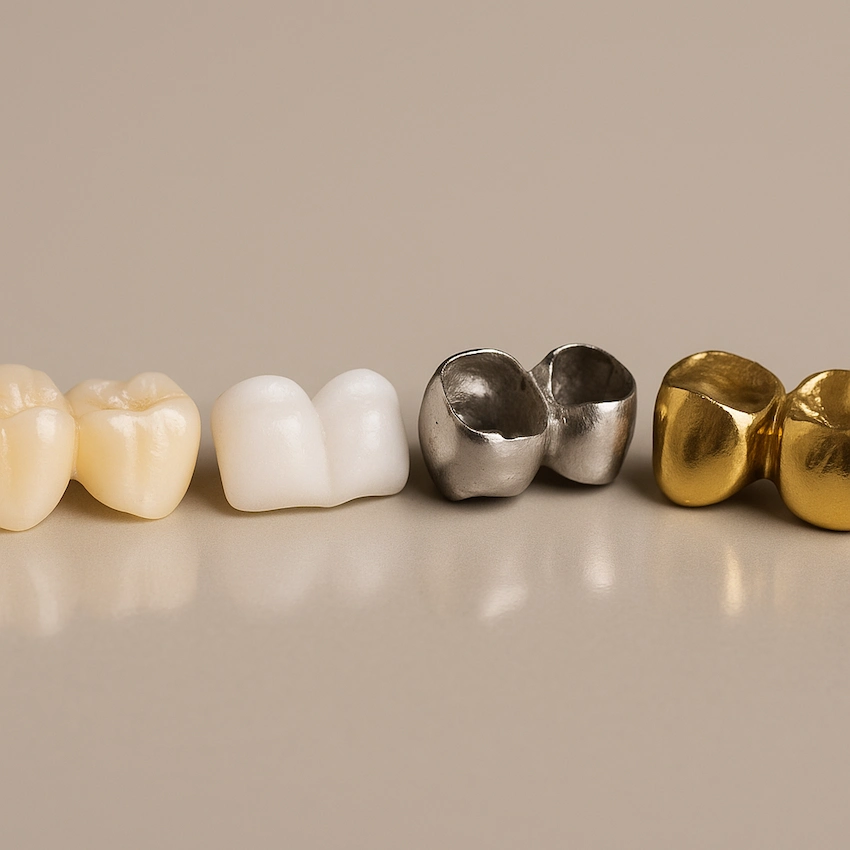
A patient like Ms. D. would have a situation with a lost molar and be in need of a durable prosthetic solution. Dentist Polen Akkılıç with her team decided that a high noble metal pontic gives the safest long-term result for the patient having strong occlusal loading and a history of enamel fractures. The clinician places digital impressions, prepares the abutments, and sends the alloy order to a certified laboratory. The patient goes on with her vitamins such as vitamin D, and the clinician records the medical history to be able to advise if there are any contraindications with the pontic material.
At the recall, Professor Doctor Coşkun Yıldız evaluates the pontic’s fit and the health of the tissues around the restoration. The patient expresses that she is more comfortable with her chewing and the functional performance is stable. The treatment plan consists of hygiene and regular check-ups. The use of Dental Code D6210 guarantees that the clinical procedure is in accordance with the code requirements and thus facilitates accurate insurance processing.
References:
- Goodacre, C. J., Bernal, G., Rungcharassaeng, K., & Kan, J. Y. K. (2003). Clinical complications with fixed prosthodontics. Journal of Prosthetic Dentistry, 90(1), 31–41. https://doi.org/10.1016/S0022-3913(03)00214-2
- Donovan, T. E., & Cho, G. C. (2014). Contemporary fixed prosthodontic principles and materials. Journal of the California Dental Association, 42(1), 28–35.
- Kelly, J. R. (2004). Dental ceramics and noble metal alloys: Structure, properties, and clinical performance. Dental Clinics of North America, 48(1), 71–94. https://doi.org/10.1016/j.cden.2003.12.003
- Shillingburg, H. T., Sather, D. A., Wilson, E. L., Cain, J. R., Mitchell, D. L., Blanco, L. J., & Kessler, J. C. (2012). Fundamentals of Fixed Prosthodontics (4th ed.). Chicago, IL: Quintessence Publishing.
- Sailer, I., Makarov, N. A., Thoma, D. S., Zwahlen, M., & Pjetursson, B. E. (2015). All-ceramic or metal–ceramic tooth-supported fixed dental prostheses? A systematic review. Journal of Dental Research, 94(1), 32–43. https://doi.org/10.1177/0022034514553624
Frequently Asked Questions About Dental Code D6210
Dental Code D6210 refers to a pontic that is made out of a cast high noble metal in a fixed bridge restorative procedure. The main purpose of the code is to facilitate the accurate billing of those healthcare interventions that necessitate the use of a resilient gold-based or platinum-based alloy.
D6210 is a suitable clinical code for a biocompatible, long-lasting restoration in a patient if the pontic material is made of high-noble metal. When diagnostic results indicate the need for the use of heavy alloy materials, this code is chosen.
Clinicians document radiographs, periodontal notes, occlusal analysis, and lab reports depicting alloy composition. These documents serve as proof of medical necessity and are in line with the insurance regulations.
D6210 is a product to be utilized on frontal teeth in a situation where the main objective is to achieve maximum strength; however, porcelain-fused pontics may deliver better esthetic results. The choice of material should be based on the clinical necessities rather than just the cosmetic preference.
D6210 is made from high-noble alloys, whereas a specification like D6205 is made from noble alloys that have a lower content of precious metals. High-noble metals offer better resistance to corrosion and enhanced durability over time.
Not at all, D6210 is only relevant for fixed bridge systems that are biologically supported by natural abutment teeth. Hence, implant-supported restorations need to be coded separately with different CDT codes.
In many cases, insurance policies will cover a portion of the cost for D6210, but only to the extent allowed in the policy. The chances of getting the green light for the procedure go up considerably if the clinical documentation is thorough and details the material used.

