


Dental Code D4341 constitutes a pivotal element of the Current Dental Terminology (CDT) codification system, employed by dental professionals to detail specific procedures related to periodontal treatment. It is the code that identifies “Periodontal Scaling and Root Planing, four or more teeth per quadrant.” Such a measure entails the cleaning of the teeth and their root surfaces to eliminate tartar and plaque depositions, which are the primary causes of gum disease. Periodontal scaling and root planing are the mainstays in any patient’s regimen who suffers from gum disease, as it makes the tissues less inflamed, thereby improving them and retarding the disease’s progression. By reaching the areas under the gumline, D4341 treats the problems of both the soft and hard tissues of the mouth, thus blocking the occurrences of dental ailments for a long time ahead.
The code mainly finds its use in the treatment of periodontal disease patients, whose condition has destroyed the gums and the bones that nourish the teeth. The method goes thorough the details under the gumline, it is also ensures the removal of the plaque and the tartar from the root surfaces of the tooth in a very exact manner. Sometimes, antimicrobial agents may also be used to facilitate the healing process. Such a treatment is done by qualified dental professionals who may be Dentist Polen Akkılıç and her team or Professor Doctor Coşkun Yıldız, aimed at delivering the best possible care in combating gum disease.
What is d4341?
Dental Code D4341 is the identifier that describes the process of periodontal scaling and root planing when a patient exhibits four or more teeth with signs of periodontal disease in a quadrant of the mouth. The mission of the operation involves both the outer and inner cleaning of the tooth to eradicate bacteria and plaque that live under the gumline and have been deposited there. The purpose of D4341 is to help a patient improve gum health, get rid of the inflammation and put a stop to infection spreading further because it is only caused by the most severe stages of the disease. As a recovery method, it has the goal of making the gums’ condition stable and thus bringing the tissues back to a healthier state.
The healing is performed in two stages: scaling and root planing. Scaling is the actual removal of tartar and plaque on the teeth surfaces while root planing levels the roots to stop plaque from sticking further. D4341 is the point where such a step is taken for persons with moderate to severe periodontal disease, which means that there is a good deal of tartar accumulation under the gumline. This operation is vital to the preservation of gum health in the long run and is a preventive measure against the loss of teeth caused by gum disease.
When is Dental Code d4341 Used?
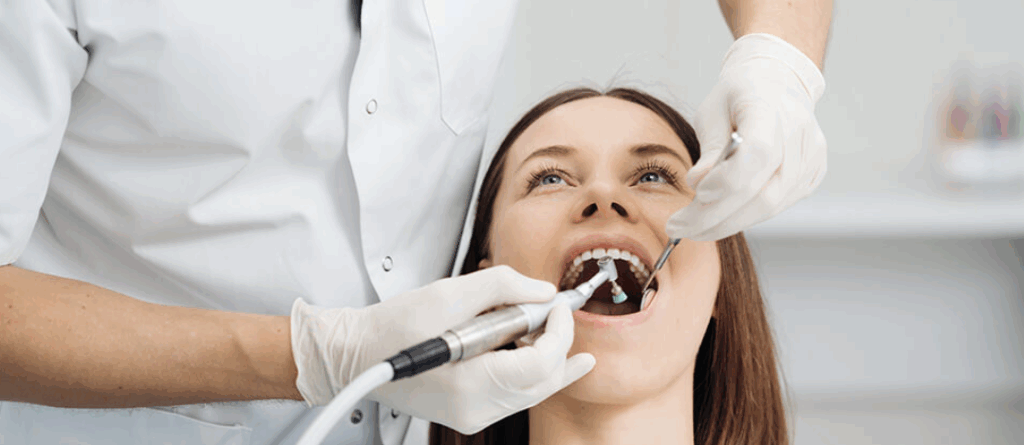
Dental Code D4341 comes into play when a patient is in dire need of a deep cleaning to help with periodontal disease, which has been quite severe. It is a necessity only when you find evidence of moderate to severe gum disease that is characterized by tartar buildup beneath the gumline and inflammation of the gums, that are among others the signs of the condition. The intervention is mostly referred to as the last resort after other non-invasive approaches like regular cleanings and scaling have failed to show any effect. On the other hand, periodontal disease can result in tooth loss and other serious oral health problems if ignored.
This code is being implemented after an oral examination by a dentist like Dentist Polen Akkılıç and her team, or Professor Doctor Coşkun Yıldız, during which periodontal disease is diagnosed and it is determined the patient needs scaling and root planing. The treatment acts as a weapon in the fight against the disease by doing away with harmful bacteria and plaque that can cause an infection. By this act, it stops the destruction of the gum tissue and bone, thus it is a very important step in the keeping of the periodontal health equilibrium.
What are the Benefits of Using Dental Code d4341?
The application of Dental Code D4341 is a significant step forward in the fight against periodontitis for the following reasons:
- Prevention of Tooth Loss: Removing harmful plaque and tartar through D4341 treatment helps to stop the progression of gum disease, a major cause of tooth loss, thus leading to the preservation of the latter.
- Improvement in Gum Health: Scaling, as well as root planing, leads to the reduction of gum inflammation, swelling, and bleeding, thus improving the condition of the gums and making them more stable as a support for the teeth.
- Long-Term Oral Health: Given the right aftercare, the operation remains effective in maintaining oral health and thus, the chance for more severe dental treatments such as tooth extractions or surgeries, is minimized.
- Enhanced Aesthetic Outcomes: The benefits of a healthy oral condition can also be extended to the aesthetic aspect and thus the production of a better smile by lessening the gum recession and bettering both the gums and teeth visually.
The impact on the patients’ functionality and aesthetics of the gums and teeth, through employing D4341, can be potential to a great extent. The intervention is the non-invasive answer to the serious dental quandary, therefore, it is the vital part of the gum disease management.
Warnings and Precautions About Dental Code d4341
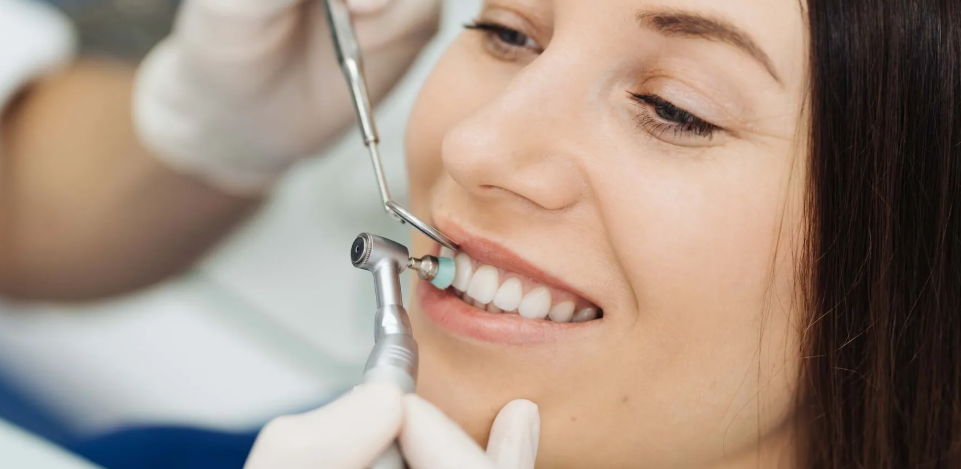
Even though Dental Code D4341 is an efficient solution, the person should be aware of some warnings before the treatments:
- Medical Conditions: In the event of the patient suffering from several major medical conditions such as diabetes that is not under control or diseases causing abnormal bleeding, then he will have to reschedule or make necessary changes in the procedure. You must inform the doctor of every detail regarding your medical history.
- Pregnancy Considerations: Pregnant women ought not to undertake scaling and root planing during their first trimester and should consult their dentist to find the most suitable time for the treatment.
- Post-Treatment Care: The patients undergoing the operation should follow the time after the treatment strictly if they want to be free from the trouble of side-effects. This may entail refraining from the consumption of hard foods, use of antiseptic mouthwash, as well as attending follow-up appointments.
If only these measures are taken, then the operation can be carried out safely and in an effective manner, which will result in the best possible outcomes and to the least extent, the complication risk will be minimized. Always adhere to your dentist’s recommendations as they are meant to facilitate your recovery.
When Should You Avoid Using d4341 and What Should You Use Instead?
D4341 can not be the solution to problems in the following situations and alternative methods might work better for those cases:
- Mild Periodontal Disease: In the case of early-stage gum disease, a standard cleaning (D1110) might be enough to get rid of plaque and tartar.
- Severe Periodontal Disease: If the situation of the diseased gums is extremely bad, then surgical treatments like flap surgery or bone grafting would be the options.
- For Patients with Specific Conditions: In case the patient has some contraindications, for instance, an ongoing infection or very bad systemic health issues, a different treatment plan might be needed.
Your dentist will look into your condition and decide on the best course of action. He may suggest simpler procedures in case of less severe situations and surgical intervention if your condition is advanced.
Case Study for d4341
After the regular check-up, a patient known as John was found to have moderate periodontal disease. He said that his gums have been receding and that they bleed while brushing. After the examination, Dentist Polen Akkılıç and her team decided that the best course of action for John was D4341 as all his four quadrants were heavily tartar-laden. After the operation, John followed the prescribed care which utilized an antiseptic mouthwash and avoided certain types of foods. At the time of his follow-up appointment, his gums had greatly improved, with less inflammation and no infection, thus confirming the treatment’s effectiveness.
This is a case that shows how D4341 can be a potent weapon against moderate periodontal disease; it not only helps to get the gums back in shape but also prevents the necessity of more invasive treatments. If the right aftercare is observed, patients can realize the improvement of their oral health over a long period of time.
| Procedure | Description | Frequency |
|---|---|---|
| D4341 | Periodontal scaling and root planing | One-time for moderate to severe gum disease |
| D1110 | Standard cleaning | Every 6 months for most patients |
| D4210 | Gingival flap surgery | For severe periodontal disease |
References
- American Dental Association (ADA). (2020). Current dental terminology (CDT) 2020 codebook. American Dental Association.
- American Academy of Periodontology. (2015). Guidelines for periodontal therapy. Journal of Periodontology, 86(5), 1057-1064. https://doi.org/10.1902/jop.2015.150088
- Polson, A. M., & Caton, J. G. (2014). Periodontal disease and its management. Periodontology 2000, 64(1), 45-75. https://doi.org/10.1111/prd.12038
- Silness, J., & Loe, H. (1964). Periodontal disease in pregnancy. Acta Odontologica Scandinavica, 22(1), 121-135. https://doi.org/10.3109/00016356408993968
- Glaros, A. G., & McCullough, B. M. (2016). Periodontal health: The role of scaling and root planing. Dental Clinics of North America, 60(3), 413-426. https://doi.org/10.1016/j.cden.2016.02.002
Frequently Asked Questions About Dental Code D4341 and Tooth Extraction
D4341 is used for periodontal scaling and root planing in patients with moderate to severe gum disease. It removes plaque and tartar beneath the gumline to improve gum health and prevent further damage.
D4341 helps by cleaning the roots of the teeth, eliminating harmful plaque and bacteria that cause inflammation. This reduces gum bleeding, swelling, and prevents further bone loss around the teeth.
D4341 is typically performed under local anesthesia, minimizing discomfort during the procedure. Some mild soreness may occur afterward, but it usually resolves within a few days.
Recovery time after D4341 typically takes a few days to a week, depending on the extent of the gum disease. Follow-up visits are necessary to monitor healing and ensure the gums are improving.
D4341 is used for moderate to severe gum disease, where scaling and root planing are required. For early-stage disease, a standard cleaning may be sufficient.
While D4341 is generally safe, there are risks such as infection or bleeding, especially if post-treatment care is not followed. Your dentist will provide guidelines to minimize these risks.

