


On daily observation, we notice patients want their teeth to be firmly in place, but the early use of glue can be counterproductive to the healing process.
In our daily dentistry work at Lema Dental Clinic, Turkey, we are always underlining the importance of the post-treatment healing period. What do you suppose is going on in your mouth? We will point out when it is really safe to apply glue and how, in the meantime, you can make sure that your smile will be the only one grinning at you.
The “Establishing a Stable Seat” Phase
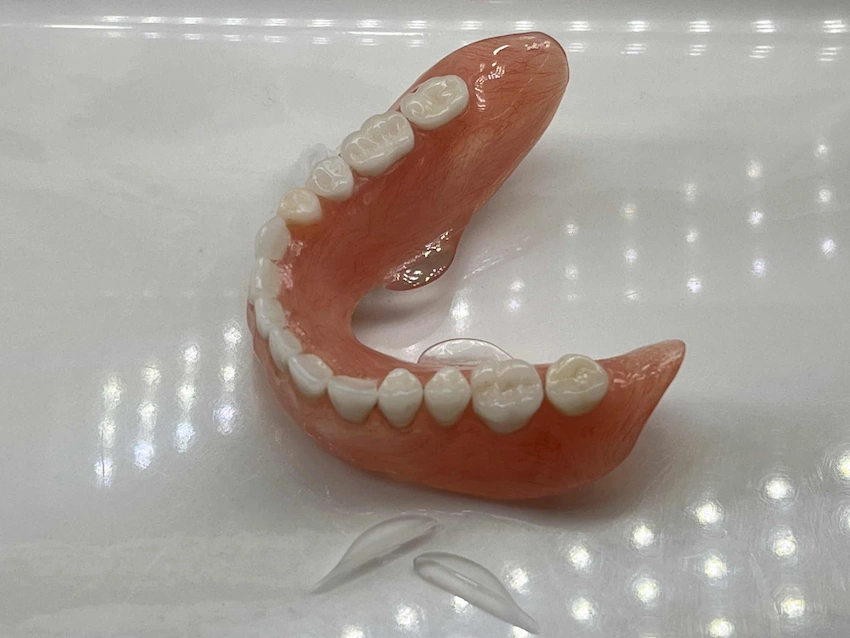
Assume your jawbone is a building’s foundation. In case of a small earthquake, the ground requires time to settle down. After you have had your teeth extracted, your bone structure and soft tissue will start rapidly changing and reshaping. The swelling will gradually subside, and the soft tissues will retreat, which will inevitably make the denture that was a perfect fit on day one become loose and move around on day seven only.
Professor Doctor Coşkun Yıldız regularly mentions that it is part of the normal healing process. You are healing very well if you are experiencing such effects! Nevertheless, how can you keep your teeth firmly seated?
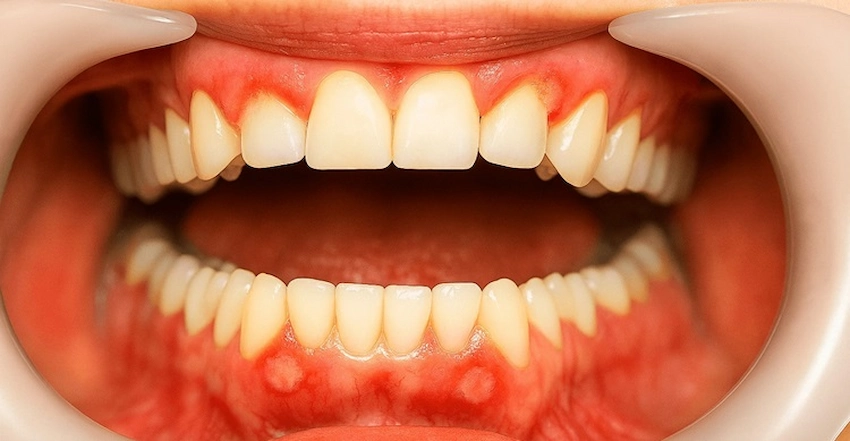
Avoid the use of glue on the areas where extraction was done, as you can end up getting a bad infection. The wound can let the glue go into its depths, and then it can be a perfect breeding ground for microorganisms,s and the blood clots could be ruined that way. A very painful infection referred to as dry socket is what can happen.
Critical Waiting Period
How many days in total must you wait?
One cannot use glue until the gum tissue is completely over and closing the bone structure. There must be no more holes left open that the bacteria can get into.
- Minimal waiting time: 7 up to 10 days.
- Ideal waiting time: Between 14 and 21 days.
Dentist Polen Akkılıç and her team regularly check on patients after having one week at home for recuperation. A few cases will still have sensitive or open wounds if they come in a bit early before having healed fully. Until then, the gum tissue that is fully healed by our dental team is a prerequisite to the use of glue.
Schedule of Events During the Healing Period
This is just a brief guide to indicate what you can possibly do during the various stages of the healing.
| Healing Phase | Timeline | Appearance of Gum | Is it Alright to Use Glue? | Actionable Alternatives |
| Fresh Healing | day1-7 | Swollen and exposed | Never. Never. | Bite gently while holding it with dentures in. |
| Early Shrinking | day8-21 | Less swelling, gum is receding | Rarely. It is best if we are the ones who decide. | Take the soft reline option at the clinic. |
| Getting More Stable | week3-8 | All wounds are closed, gum is shrinking less | Just a little bit, please. | Stick to adhesive powder over the use of glue creams. |
| Final Healing | 4-6 months | Healed completely | Of course! | Put your final dentures permanently. |
Non-adhesive Alternatives to Make Teeth Secure
What many do not realize is that even if your dentures seem quite wobbly, they still can be adjusted without your having to apply glue. In this case, if you are really stuck, your choice is to bring an expert and not to glue it yourself. The doctors of Lema Dental Clinic apply what they refer to as a tissue conditioner. This is a very useful, temporary, soft reline that we put inside the denture. We do this so that we cover the newly appeared gaps and at the same time offer a cushioning support to the healing mucosa. In this way, you have the assurance of a perfectly snug denture without the problem of the usual messy, and also,
quite dangerous method of glue.
Frequently Asked Questions
I am only on day five, but my denture is falling out. Can I use a tiny drop of glue?
Doctor’s opinion: I know it’s very irritating, but please don’t. Even if you use a tiny drop,p it might flush into an open wound and cause a serious illness. Instead,d see us. We can help safely with your denture fitting.
When I get to using glue, it will be quite a while before my visit, so would you say that which brand of glue is most comfortable?
Doctor’s opinion: It is best to start off with an adhesive powder since it provides the holding effect while not making a thick, gooey mess. These are much easier to remove, which is something you are going to appreciate when you are in your nighttime routine at home with your gums sore.
Are they going to make me depend on some sort of dental glue for a lifetime?
Doctor’s opinion: Absolutely not! Immediate dentures are only meant to be worn up to the time when final dentures are fabricated, ed which is when your tissue healing is completed. Therefore, it will be the final denture, the best fitting one for your well-healed mouth that you will receive.
After the day when I will begin using denture adhesive, what will be the best way for me to clean it without damaging my gum?
Doctor’s opinion: Please do take extreme care. First, give your mouth a good rinse with warm salted water, er and then, with the use of a soft baby toothbrush and only warm water, you should gently brush your gum to remove the glue. No vigorous rubbing!
If my teeth start to come up during my flight home from Turkey, what should I do?
Doctor’s opinion: We always prepare a special soft mouth guard just in case you are traveling with dentures so that your dentures will not move. But let us be very clear about what your specific post-operative plan is. We explain how you can manage the swelling during your journey to a place where we will see you, for example. You gently push up your cheeks in case your teeth move. Keep yourself aware that there is a certain category of food you are not supposed to eat until you safely return.
Academic References
- Zarb, G. A., Hobkirk, J. A., Eckert, S. E., & Jacob, R. F. (2013). Prosthodontic Treatment for Edentulous Patients: Complete Dentures and Implant-Supported Prostheses (13th ed.). Elsevier Mosby.
- Caputi, S., & Murmura, G. (2020). Tissue management and healing in immediate complete dentures: A clinical review. Journal of Prosthodontic Research, 64(2), 125-131.
- Slaughter, A., & Katz, R. V. (2015). The clinical efficacy and safety of denture adhesives: A systematic review. The Journal of the American Dental Association, 146(8), 590-599.
- Kotsiomiti, E., & Arapostathis, K. (2018). Post-extraction tissue changes and their management in immediate denture patients. European Journal of Prosthodontics and Restorative Dentistry, 26(1), 14-22.
- Felton, D., Cooper, L., Duqum, I., Minsley, G., Guckes, A., Haug, S., Meredith, P., Solie, C., Avery, D., & Chandler, N. D. (2011). Evidence-based guidelines for the care and maintenance of complete dentures. Journal of the American College of Prosthodontists, 20(s1), S1-S12.

