


Flipper teeth may use denture glue for extra hold, but a proper fit is safer and more important.
It is really painful to lose a tooth. You probably look at yourself in the mirror, see the space, and want to fill it immediately. Many people who lose a tooth primarily opt for a dental flipper. That is a thin, plastic, temporary tooth. However, what if it falls out at your dinner or business meeting?
Can you simply glue it in place?
Indeed. You are allowed denture adhesive on a flipper. Nevertheless, let’s examine in detail what it means for your mouth, your bone health, and your smile over a long period.
What a Flipper is Intended for
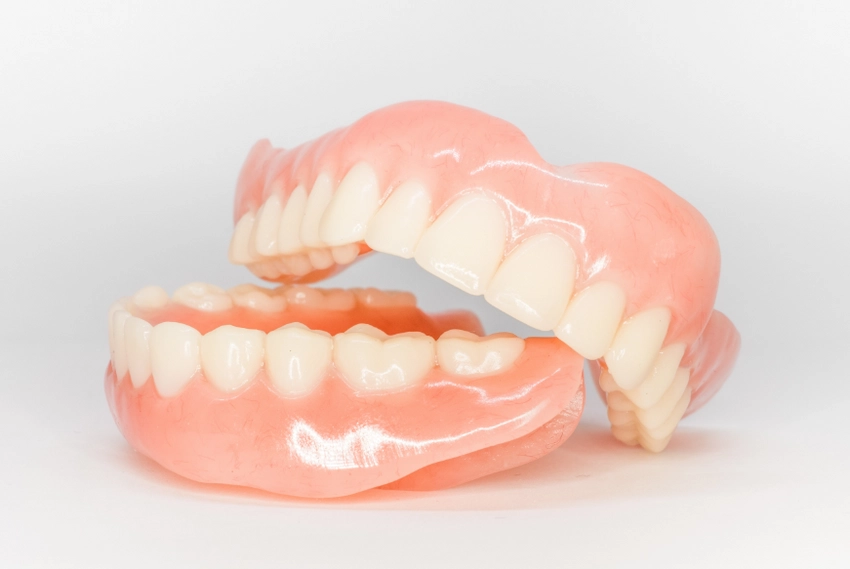
Flipper is merely a temporary dental bridge. You can consider it as a medical cast for a broken arm. It fills the gap and prevents your other teeth from shifting. We use it while your gums heal, right before you get a permanent fix like a tooth implant.
Flippers don’t come with the metal hooks to anchor onto your real teeth. Those that cling to the roof of your mouth use only suction. As the gums heal and change shape, the suction naturally becomes weaker.
Here is the picture in our office. Patients resort to thick layers of glue to fasten a loose ulipper. Unbeknownst to them, they are concealing a far greater problem beneath their gums.
The Unseen Risks of Tooth Glue
According to our clinical practice at Lema Dental Clinic in Turkey, applying a lot of glue to a temporary tooth is quite dangerous. It is like covering a house with a cracked foundation. It might hold for a day, but the base is still broken.
Your Jawbone Disappears
Much like muscle, your jawbone can adapt and change. When you chew, your tooth root plays a vital role in generating the pushing force, and this action helps keep your bone healthy and dense. However, once a tooth is gone, the bone will slowly shrink. On the other hand, a flipper sits on the gums only. It won’t provide the bone with any stimulation whatsoever. In fact, years of relying on the glue method to hold a flipper in the mouth can cause the jawbone to shrink. Besides, it is a recognized fact that bone loss could complicate the future implant installation operation.
What if it is Zinc Poisoning?
Many dental adhesives contain zinc as one of their ingredients. Zin,c only in very small doses, es is not only safe but also harmless for a short time. Nevertheless, the frequent use of large doses of the glue will cause the build-up of zinc in your body. Easily overdosing on zinc can lead to serious damage to the nervous system. Other changes in your body might be the appearance of different sensations,s such as tingling or numbness of the limbs.
Gum Irritation and Pathogenic Bacteria
A loosely fitting flipper is constantly irritating and rubbing your gums. The application of thick glue results in your food getting stuck along with the harmful bacteria in that tight space. This situation can lead to the formation of red, painful gums or fungal infections that are difficult to get rid of.
The Ultimate Solution to the Problem: Lema Dental Clinic Way
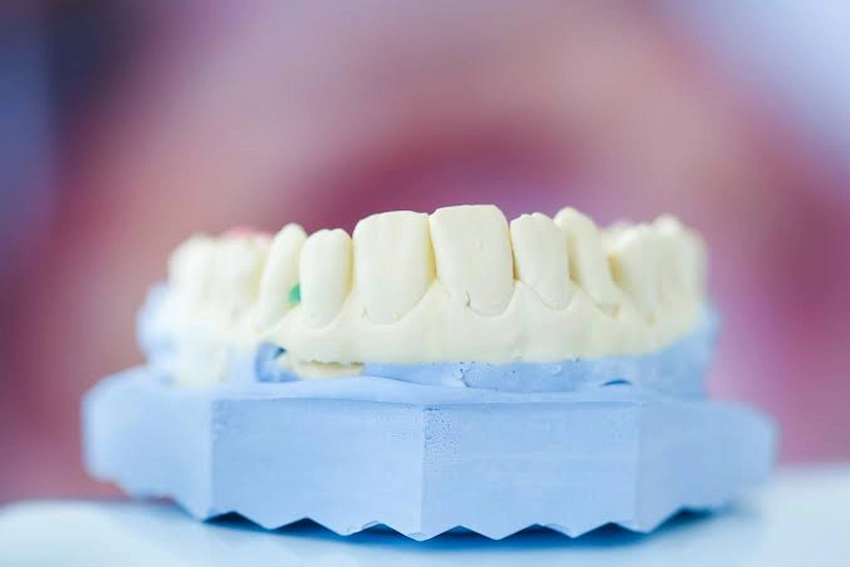
No matter how much sticky stuff gets applied, a temporary plastic tooth will never turn into a real one. Professor Doctor Coşkun Yıldız frequently points out that excellent dental treatment is focused on the roots and not merely the surfaces. Opening with a loose flipper, our main aim would be to give you a replacement tooth that is, in fact, indistinguishable in appearance, function, and feel from a real one.
Under the excellent guidance of the Dentist Polen Akkılıç and team, we are completely focused on permanent, life-lasting solutions. Our primary option is the strong titanium implant combined with beautiful zirconium crowns. For patients who are missing multiple teeth, using whole-arch restoration techniques like All-on-4 or All-on-6 is part of the treatment plan. The idea is to inevitably eliminate the need for reliable dental adhesive forever.
Modalities Compared: Flipper vs. Permanent Implant
| Criteria | Dental Flipper + Adhesive | Permanent Zirconium Implant |
| Durability | 6 to 12 months | Decades to a lifetime |
| Enamel Strength | Extremely weak | Extremely strong |
| Bones | Reduction in bone density | Maintains strong and dense bone |
| Maintenance | Removal, soaking, and scrubbing are required | Regular brushing and flossing only |
Patients’ Inquiry Section: The Doctor’s Uncensored Reply
How much of the glue do I really need to put on my flipper?
If your implant is on the way, you will probably need a very small amount of it. Three very small drops, each no bigger than a grain of rice, should be enough. When you close your mouth, a bunch of glue will come out of the sides if there is too much of it.
Is it okay to sleep with the flipper glued in?
Definitely No! Your gums must breathe. They want a rest from the hard plastic. When you sleep with a flipper glued, you basically create a dark, sticky environment that houses bad bacteria and fungi.
What’s the matter if my flipper still feels loose despite the glue?
It is only your body changing. Due to the absence of a tooth root, your jawbone is gradually resorbing. The flipper, which seemed to fit perfectly three months ago,o is now placed on the gum, um which has changed its shape.
Does the glue harm the teeth adjacent to the open space?
The glue is not going to cause your natural teeth to decay. Nevertheless, it acts as a trap for food and plaque in your mouth, especially next to your natural teeth. If not properly removed, that trapped plaque is going to cause cavities.
At what point do you say it is time to move from a flipper to an implant?
Flipping should only be performed for the sake of brevity for 3 to 6 months while your mouth is healing. It is only then that your surgeon can decide if your gums are ready, and you can receive your permanent Zirconium crown immediately.
Academic References
- Misch, C. E. (2014). Dental Implant Prosthetics (2nd ed.). Elsevier Mosby.
- Carlsson, G. E. (2014). Responses of the jawbone to pressure. Gerodontology, 31(2), 79-84.
- Felton, D., Cooper, L., Duqum, I., Minsley, G., Guckes, A., Haug, S., … & Sweitzer, B. (2011). Evidence-based guidelines for the care and maintenance of complete dentures: A publication of the American College of Prosthodontists. Journal of Prosthodontics, 20(s1), S1-S12.
- Magalhães, F. A. C., & Oliveira, V. B. (2018). Zinc toxicity associated with the chronic use of denture adhesives: A clinical review. Journal of Oral Rehabilitation, 45(10), 824-830.
- Zarb, G. A., Hobkirk, J. A., Eckert, S., & Jacob, R. (2012). Prosthodontic Treatment for Edentulous Patients: Complete Dentures and Implant-Supported Prostheses (13th ed.). Elsevier Mosby.

