


Denture adhesives usually last all day, but fit and saliva can affect hold.
Every morning, many patients follow the same ritual. They spread their false teeth with a sizable line of paste. They only hope it stays till the time of lunch. On the surface, the box advertises a solid, all-day holding power. However, the truth is often way off the mark.
Initially, patients here at our Lema Dental Clinic in Turkey shared their personal accounts with us. Their “all-day” adhesives most often ended up breaking down way before dinnertime. Not only do slipping teeth cause physical pain; they lead to heavy emotional distress as well. You even stop laughing without a care in the world. You avoid your favorite food out of fear.
This is what we observe at the clinic. After we share our knowledge on how long these glues actually last, we will discuss the effects of the use of dentures on the jawbone under it all.
The 12-Hour Myth
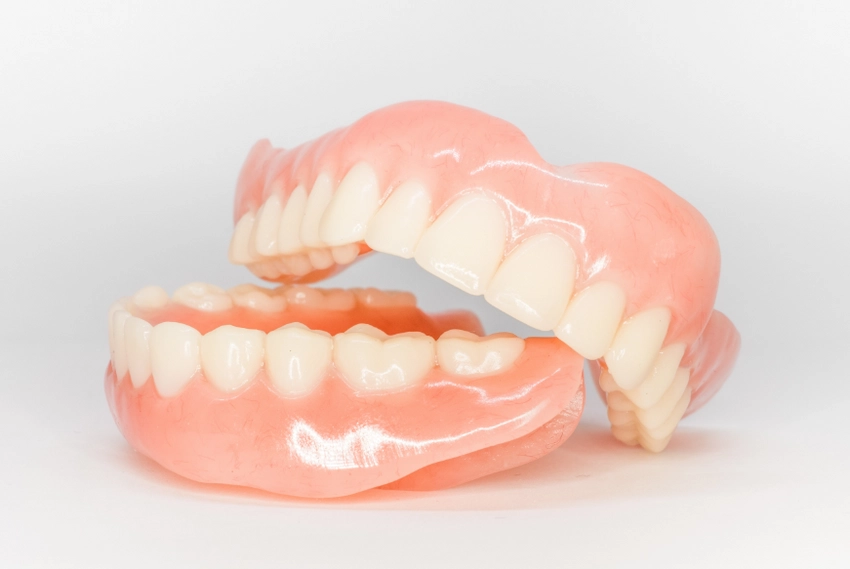
Under ideal circumstances, a good denture adhesive is capable of holding for a maximum of 12 hours. But what are these “ideal circumstances” really? A perfect fit of the denture to the gums is a must here. Secondly, only a tiny amount of saliva should be present. And finally, one should only consume very soft foods in this case.
In the vast majority of cases, the glue stays for the range of 4 to 8 hours only.
What is the reason for such a short duration? Your mouth is a difficult, moist environment. Saliva is doing nothing but breaking things down.
Attempting to keep a tight seal in a wet, moving mouth will be a huge challenge. Taping a heavy picture frame to a wet sponge is like that scenario. In other words, the water ruins the stickiness. Coffee, tomato sauce, and heavy chewing will totally get rid of the glue.
The Foundation Problem
Professor Doctor Coşkun Yıldız thinks that a patient will always use dental glue more when losing bones continuously. In fact, it is a never-ending vicious circle, and it is a very dangerous one as well.
Our jaws need biting pressure to stay healthy and regenerate, but when natural teeth are lost, the jawbone is deprived of this stimulus,s and the bone eventually disappears completely. Human jawbone is like a building’s foundation, and we can compare loss of bone to soil being washed away under a concrete slab. What good is glue to save floorboards if the house is unstable? When real bone loss is ongoing, denture fit becomes loose. You apply more glue, then bone shrinks even further.
Hidden Risks of Heavy Glue Use
Here are the main health hazards brought about by the daily use of thick glue layers:
- Zinc Toxicity: Stronger grip glues sold in stores usually contain zinc. Zinc in small dosages is safe. However, constant heavy usage can result in nerve damage. This will show up as numbness in the hands and feet.
- Irritated Gums: Every time a denture slips and rubs against your soft gums, it leaves tiny cuts and painful sores, which eventually become inflamed.
- Digestive Discomfort: Over the years, small swallowed amounts of chemical paste may cause stomach upset and digestive problems.
Rebuilding the Foundation at Lema Dental Clinic
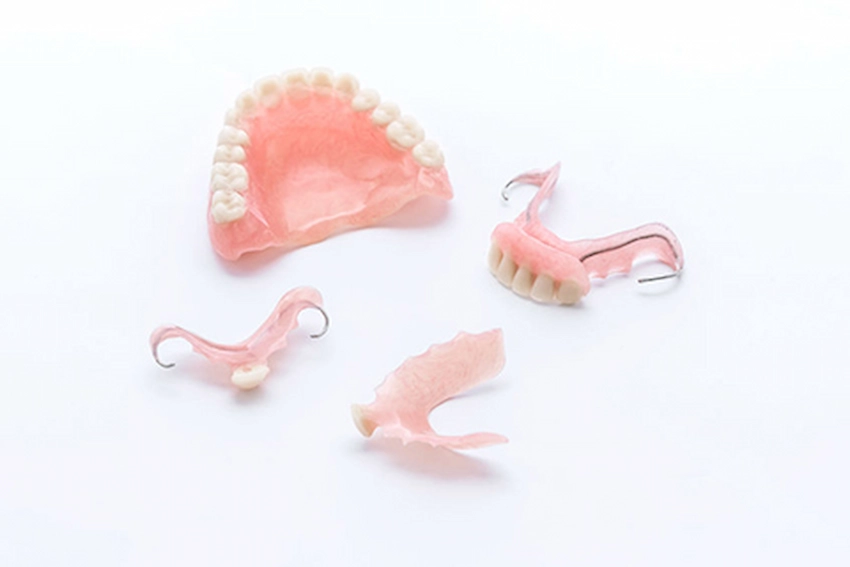
Is the question, then, must you keep using tubes of glue forever? Not at all.
Turning to present-day dentistry now, there are lots of much better alternatives. Dentist Polen Akkılıç and her team carry out the task of fixing teeth that slip regularly. These are replaced with permanent implant-based restorations, such as All-on-4, All-on-6, and Zirconium fixed bridges.
Deep titanium roots are placed straight into your jawbone. So, zero usage of adhesive glue is required in this case. Such implants are the closest thing to natural tooth roots in function. They activate the bone, avoid its decline, and tightly attach the new dentures.
Comparing Your Options
| Feature | Regular Denture + Glue | Permanent Implants (All-on-4/6) |
| Daily Hold Time | 4 to 8 hours | Permanent (24/7) |
| Chewing Power | Very low (20% to 30%) | Very high (Up to 95%) |
| Jawbone Health | Bone shrinks quickly | Implants save the bone |
| Daily Care | Take out, scrub, and re-glue | Brush like normal teeth |
| Taste & Comfort | Covers the palate (blocks taste) | Open palate (full taste) |
Frequently Asked Questions
Why does my glue only last a few hours?
Saliva dissolves the paste. Consumption of hot food as well as heavy chewing also helps to speed up the breakdown. In case your glue fails in a matter of moments, the situation indicates that the jawbone has been reduced in size, and hence the denture is not fitting the mouth anymore.
Can I sleep with my glued teeth in?
We are even more than willing to tell you a straight no to this! Your gums really deserve a break and ventilation. Retaining glue on your mouth through the whole night means that harmful bacteria will be lodged directly against your gums. Eventually, such a condition will give rise to very uncomfortable fungal infections.
Does hot food melt the glue?
Yes, it absolutely does. The paste gets tender when it comes in contact with hot beverages such as tea and soup. So, this might be the reason why you feel your teeth sliding while eating the hot food.
Is it safe to swallow denture paste?
Very small amounts are fine. On the other hand, loose teeth may lead to using thick layers of paste. Swallowing large amounts of it daily is likely to cause stomach problems and even lead you to suffer from zinc overdose.
Can I get rid of denture glue forever?
Yes. Here in Turkey, we help patients to get rid of their old dentures once and for all. Through the use of dental implants, we secure a permanent set of teeth for them. You will no longer need to buy a tube of glue ever.
Academic References
- Al-Ghannam, N. A., Starr, C. B., & MacEntee, M. I. (2020). Patient expectations and satisfaction with complete dentures: A systematic review. Journal of Prosthetic Dentistry, 123(5), 681-689.
- Depprich, R., Naujoks, C., Meyer, U., Kübler, N. R., & Handschel, J. (2018). Zinc toxicity from over-the-counter denture adhesives: A clinical review. Journal of the American Dental Association, 149(3), 205-212.
- Carlsson, G. E. (2014). Responses of jawbone to loading and tooth loss. Journal of Oral Rehabilitation, 41(8), 583-590.
- Misch, C. E. (2015). Dental Implant Prosthetics (2nd ed.). Elsevier Mosby.
- Polzer, I., Schimmel, M., Müller, F., & Biffar, R. (2010). Edentulism as part of the general health problems of elderly adults. International Dental Journal, 60(3), 143-155.

