


Dental code D4266 is the identifier for the procedure of osseous surgery, which encompasses flap surgery, a method generally utilized to reverse the effects of periodontitis and alveolar bone loss. This radical dental intervention usually comes as a last resort after nonsurgical treatments like scaling and root planing have proven ineffective in managing periodontal disease. The restoration of the gum tissue and alveolar bone through osseous surgery and flap operation make them indispensable in the preservation of oral health over time. By going down to the root causes of periodontitis, D4266 becomes a vehicle to obtain healthy gums and teeth that are not only more functional but also aesthetically pleasing.
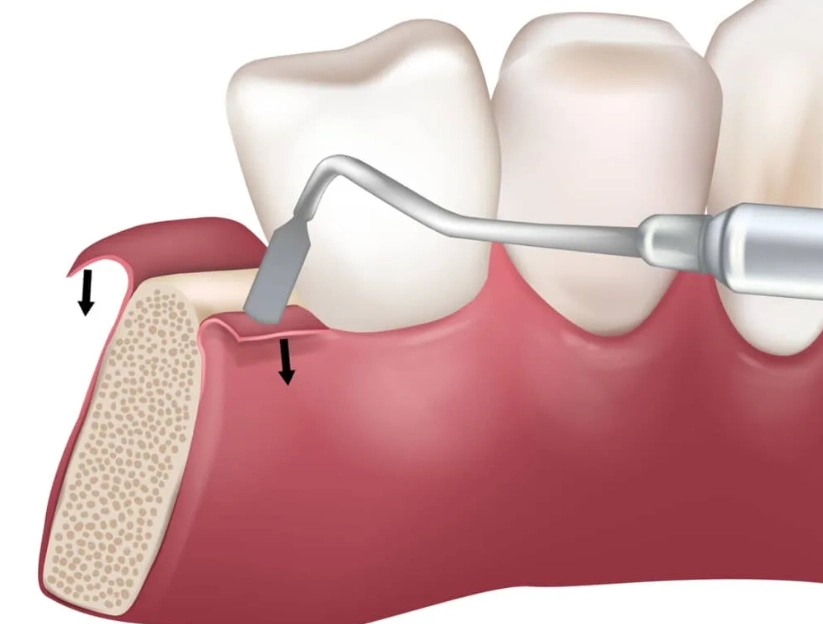
Osseous surgery or pocket reduction surgery is the right choice to reverse the effects of severe periodontitis accompanied by gum recession and bone loss. The expert, normally a periodontist, exposes the bone by raising the gum tissue (flap) in the area where treatment is to be done. The reshaping of the bone is done by removing the spikes, and any deep pockets caused by the teeth are minimized. Hence, recovery is stimulated, and hygiene becomes easier, and a continuous flow of infection is checked. The performance is usually part of the salvation plan for patients with a severe case scenario of the periodontal diseases requiring more than just cleaning.
When is Dental Code D4266 Used?
Dental code D4266 is the main instrument used when gum disease has gone so far that treatment by simple methods is no longer fruitful. Because of the formation of deep pockets between the teeth and gums, this might be the reason for such a condition, where microorganisms can grow and lead to further damage. Flap surgery, which is included in D4266, allows the dentist to access the areas under the gumline to remove bacteria and also reduce the pockets.
This operation is usually done after the failure of scaling and root planing as well as in the cases of gum disease leading to bone loss. By bone reshaping, the periodontist gets the opportunity to close the deep pockets which are the breeding ground for bacteria, hence the continuation of the disease is stopped and the receding of the attachment of the gum to the tooth is stopped. D4266 is instrumental in regaining healthy gums and anemia prevention as it is extremely helpful in patients who may be suffering from severe gum disease.
What Are the Benefits of Using Dental Code D4266?
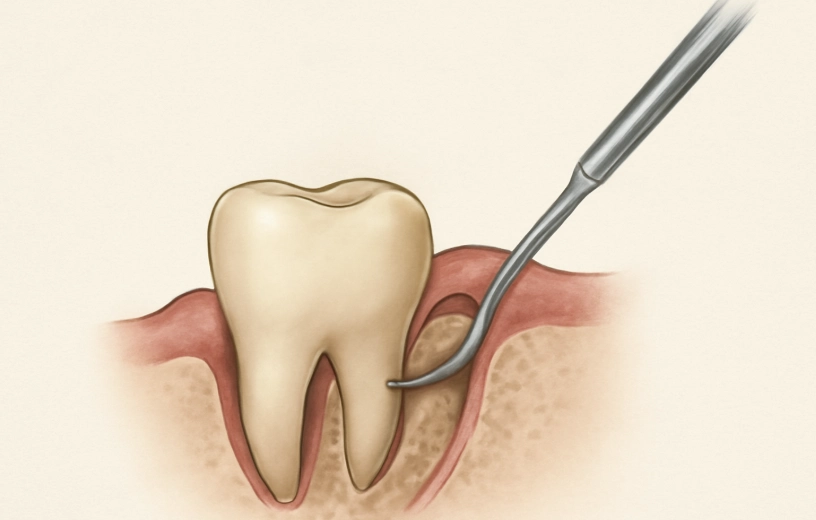
The core benefit of dental code D4266 is its capacity to bring back the condition of the gums to normal in the patients of advanced periodontitis. It enables the patient to have the deep pockets around the teeth reduced and thus oral hygiene practice becomes easier. By ironing and remodeling the bone under the gums, D4266 also speeds up regeneration as well as gets the health of the gums in proper alignment.
Furthermore, the surgery involving the flap and the osseous functions can be instrumental in stopping the bone from losing further which is very essential for the continuous presence of the teeth. For those people who already have undergone serious loss of the bone, osseous surgery is the bridge to stabilizing the condition and to the turning away of the problems that might arise. Besides that, D4266 is capable of making the gum tissue look attractive again by getting rid of the incidences of the recession and hence enhancing the general contour of the gumline which thereby results in a better smile.
Warnings and Precautions About Dental Code D4266
While the dental code D4266 can bring a lot of good things to the patient, the latter should also know about the risks as well as the precautions that go in the package of osseous surgery. Infection is the primary risk of the given intervention for it entails the creation of wounds in the gums and there the bones being exposed. The recovery stage should be attended to with extreme care and the order coming from the periodontist should be strictly adhered to in order to keep at a minimum level the likelihood of infection.
Moreover, just like any other operation, the intervention in question also has in its package the risk of pain, heat, and slight bleeding. Quite often these side effects occur in the interval of the short time after the intervention and can be dealt with by some medicine which normally is given, and by good care in that period. Patients should also be ready for the period of convalescence, in which they might have to refrain from some foods and drinks and should not do any activities that could put pressure on the gums. Most likely, they will be given a detailed after-surgery plan by their periodontists in order to have the best outcome of their recovery.
When Should You Avoid Using D4266 and What Should You Use Instead?
It is possible that dental code D4266 would not be suitable for a certain group of people. For instance, people with certain health disorders of their health such as diabetes or some heart diseases, if not properly controlled, could be in a situation where they shouldn’t undergo osseous surgery because of the higher risks in the period of recuperation. In situations like these, the periodontist can suggest different ways of treatment or may ask for a medical certificate from the patient’s doctor before going ahead with the operation.
When a patient can’t undergo D4266, a less aggressive method such as performing scaling and root planing or antibiotic therapy may be the solution to gum disease. These forms of treatment are enough for the initial stages of gum disease but may not be enough for patients who have a condition that is progressed. The examples of dental solutions for extreme bone loss and situations where the teeth are at risk of falling out may include dental implants or bridges. The main goal, however, is to safeguard the patient’s dental health by making sure these requirements are met.
Case Study for D4266
The example of a patient named Sarah, whose situation went down well with the advantages of dental code D4266, was a case study. Sarah is a 45-year-old woman who has been fighting with her gum disease for a couple of years. Although she was having regular cleanings, her gum disease kept on getting worse which resulted in a significant bone loss and the formation of the deep pockets around her teeth. After consulting with Professor Doctor Coşkun Yıldız, the final decision was made that osseous surgery was the only way for Sarah to regain her oral health.
It was through dental code D4266 that the operation was performed, the gum tissue was carefully lifted to reach the bone. The bone underneath was reshaped in order to reduce the deep pockets, and the gums were stitched back in position. Following surgery, Sarah adhered to the care plan that was advised to her, and eventually, after a few months, her gum health had made a significant turnaround. The operation not only stopped the progression of bone loss but also helped Sarah to get back the smile she had lost as the gums had reattached to the teeth, the recession was lessened, and the aesthetics were improved.
| Procedure | Description | Cost Estimate |
|---|---|---|
| Osseous Surgery (D4266) | Surgical procedure to treat advanced gum disease by reshaping the bone and reducing pockets | $1,500 – $3,000 |
References
- Chatzopoulos, G. S., et al. (2023). Periodontal disease, tooth loss, and systemic conditions. PMC. https://www.ncbi.nlm.nih.gov/articles/PMC10988265/ PMC
- United Healthcare Services, Inc. (2025, May 1). Dental barrier membrane guided tissue regeneration: Clinical policy document. UnitedHealthcare. https://www.uhcprovider.com/content/dam/provider/docs/public/policies/dental/dental-barrier-membrane-guided-tissue-regeneration.pdf uhcprovider.com
- Darst, A. (2024, July 18). Dental coding for surgical periodontal procedures. Outsource Strategies. https://www.outsourcestrategies.com/blog/dental-coding-for-periodontal-procedures/ Outsource Strategies International
- Yeragi, E. (2025, August 9). Resective osseous surgery — A review. IOSR Journal of Dental and Medical Sciences.
- DayDream Dental. (2025, June 25). Understanding dental code D4266 – Guided tissue regeneration. DayDream Blog. https://www.daydream.dental/blog-post/understanding-dental-code-d4266
Frequently Asked Questions About D4266
Dental code D4266 refers to osseous surgery, including flap procedures, used to treat advanced gum disease by reshaping the bone and reducing deep pockets around teeth.
The recovery time for D4266 surgery can vary, but patients typically require 1-2 weeks of rest, with full healing taking several months, depending on the extent of the surgery.
Most dental insurance plans cover osseous surgery under certain conditions, but patients should confirm coverage with their insurance provider before proceeding.
For less severe cases of gum disease, scaling and root planing or antibiotic therapy may be alternatives to osseous surgery.
The risks of D4266 include infection, bleeding, and swelling, but these can be minimized with proper post-operative care.
While patients may experience discomfort after the procedure, local anesthesia is used during the surgery, and pain is generally managed with prescribed medications.
For the first few days, patients are advised to eat soft foods and avoid chewing on the side of the surgery to allow proper healing.
Initial improvement in gum health may be seen after a few weeks, but complete healing can take several months.
Yes, D4266 can help prevent tooth loss by restoring gum and bone health, reducing the risk of further damage to the teeth.

