


Using less denture adhesive helps avoid irritation, poor fit, and unnecessary long-term costs.
Adhesive cream is a daily ritual for millions of removable denture wearers worldwide. It might seem to them and to some of us like a very simple safety net — a way to keep the smile secure during meals or conversation. But at our Lema Dental Clinic in Turkey, such a scenario is hardly a rare one. In fact, most of these creams are zinc-based, and daily excessive usage can introduce some hidden health hazards.
These products are primarily intended for intermittent, short-term use. Problems arise when they are depended on day after day.
Mechanism of Zinc Toxicity
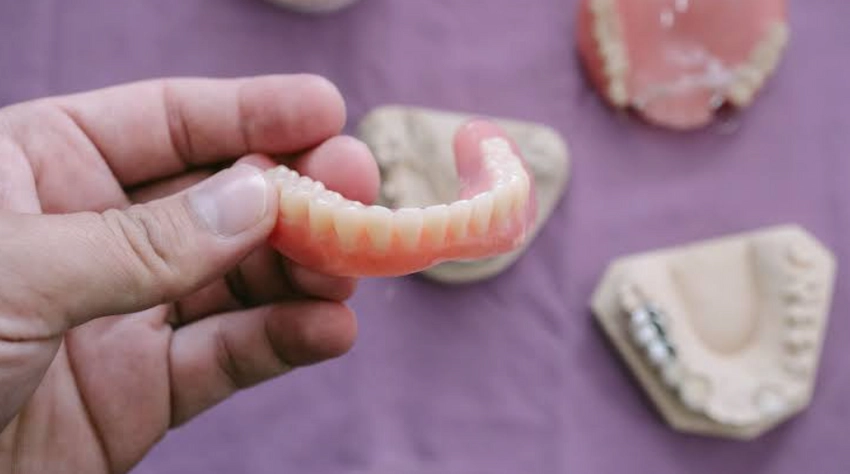
One of the reasons why manufacturers add zinc to dental adhesives is to make the binding more effective over an extended period. Zinc is a stabilizer. The easiest way to visualize it is to picture yourself trying to fix a wobbly chair with an excessive amount of glue; the legs certainly won’t come apart, but there will be a lot of unnecessary glue everywhere.
If you use the medium, the exposure is small, and the risk is almost non-existent. Unfortunately, several patients who have been disappointed by their denture’s looseness have resorted to doubling or even tripling their doses. Over a period, the body assimilates the extra zinc, which becomes a factor in causing chemical disturbance in general health.
Relationship Between Zinc and Copper
The copper-to-zinc ratio in your body needs to be in equilibrium. This scenario can be understood as a seesaw: elevating one results in the descent of the other. The special thing about this is that copper is crucial for maintaining the health of the nervous system and the bone structure. Such advertisements can mislead people into overusing zinc-containing denture fixing creams, eventually increasing the risk of health issues caused by zinc overdose. Professor Doctor Coşkun Yıldız regularly reiterates the fact that mouth problems are actually the last symptoms. He also notes that patients do not usually associate denture cream with the tingling sensations they may occasionally experience in their fingers and toes until they talk to a specialist.
Changing Your Lifestyle
If you do not like the idea of being dependent on adhesives, it is high time that you consider exploring the permanent options available. We are quite convinced that a stable life without resorting to the use of a denture fixative cream is a desirable goal to pursue.
| Solution | Need for Adhesive | Long-Term Stability | Impact on Bone Health |
| Conventional Dentures | High | Low | Bone Loss |
| All-on-4 Implants | None | High | Bone Stimulation |
| All-on-6 Implants | None | Very High | Maximum Support |
| Zirconium Bridges | None | Excellent | Long-term Strength |
Freedom Is an Implant Away
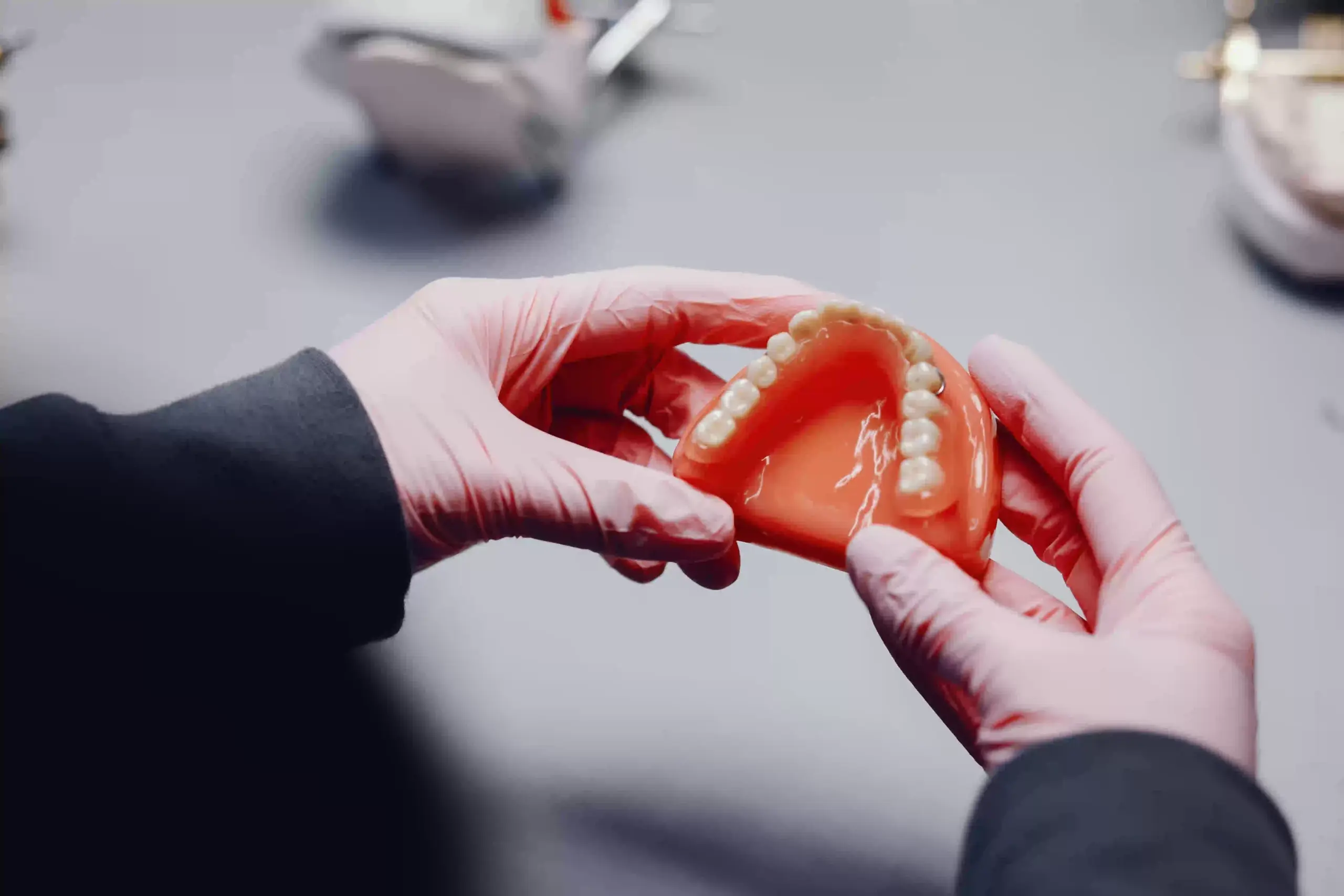
Dentist Polen Akkılıç and her staff work hard to change the temporary into a permanent thing. When we convert a patient to an implant-supported solution—like an All-on-4 or All-on-6 system—it’s not just about giving them the smile of their life. It’s about liberating them to eat and speak without worry or embarrassment.
The jawbone can be likened to the foundation of a house. When someone is wearing removable dentures, this foundation is gradually lost because there is no pressure to stimulate it. Besides, implants act like solid pillars and anchor your teeth; they contribute to your jawbone’s strength and health.
FAQs
How do I recognize the overuse of denture adhesive?
If you need to place more than three tiny dots for a strong grip, the denture might be ill-fitting. The overflow of the cream from beneath the denture edges is a pretty obvious indicator that a professional reline is in order whenever you come to us.
Is it possible to alleviate the nerve symptoms by discontinuing the use of adhesive?
That is quite possible. When the zinc overload is cut off, and balance is brought back to the copper level, the body’s natural healing response generally kicks in. However, it is of utmost importance that you consult a doctor to measure your blood levels and verify complete recovery.
Do different brands of denture adhesives matter?
Absolutely. Zinc-free varieties are even quite popular nowadays among different brands. You are recommended to always carefully read the ingredients, and if zinc is listed, make sure to opt for a safer alternative.
Why implants instead of a higher quality adhesive?
Simply because adhesives are nothing more than a temporary bandage. In our opinion, it is fundamental to identify and treat the root cause. Apart from the cosmetic aspects, implants restore the natural mechanics of chewing, which is essential for maintaining a healthy facial structure and preventing the bone loss that leads to the loosening of dentures.
How long does the implant procedure usually take?
When following up-to-date dental protocols, the period is most of the time shorter than what patients anticipate. In many cases, we are able to deliver a working and aesthetic result within a few visits. We remain focused on your comfort for the entire treatment duration.
Academic References
- Cashman, K. D. (2018). Zinc and bone health: A review of the evidence. Journal of Trace Elements in Medicine and Biology, 50, 680-685.
- Nuka, M., & Nuka, K. (2020). The impact of denture adhesive overuse on systemic health. Journal of Clinical Dentistry and Research, 12(3), 145-152.
- Pang, L., & Li, H. (2019). Neurological complications associated with chronic zinc ingestion from denture adhesives. Clinical Oral Investigations, 23(4), 1899-1907.
- Rao, A., & Gupta, S. (2021). Fixed versus removable: Long-term clinical outcomes in implant prosthodontics. International Journal of Prosthodontics, 34(2), 210-218.
- Smith, J. D. (2022). Dietary interactions and the risk of hypocupremia in elderly denture wearers. Journal of Prosthetic Dentistry, 127(1), 88-94.

