You wake up one day, go to the bathroom, and notice an unusual thing while you brush your teeth – your gums seem to be covering your teeth more and more. Your gums are not playing tricks with you – it’s a real condition, and it’s surprising how many people have it. When the gums grow over the teeth, it is not only a matter of beauty but it also means trouble for the oral health in many ways.
If you have a toothache, please read this article because in it I am going to share the following information like toothaches and their causes, tips on how to alleviate them, and signs that it might be best to consult a dentist as soon as possible or even tomorrow morning if something better comes up. This will make it easy for you to identify your tooth condition and know what to do for proper management of the condition. Start by understanding what you are dealing with: that is pain in your teeth often caused by dental problems. It could be due to a cavity
Why Do the Gums Extend Over the Teeth?
Gum overgrowth is due to various factors and not all of them are associated with malaise. Thus, the position of the gums higher or lower on the tooth surface could be just a feature of your family’s genes, which is a case in many people. However, gum inflammation, side effects of medications, or poor oral hygiene are also some of the situations where a patient might develop avulsions of gums.
Plaque and bacteria-related gum tissue overgrowth, technically called gingival hyperplasia, is one of the main causes for it. This is the result of excessive plaque on tooth surfaces and the accumulation of bacteria on the parts of the gums leading to their swelling and then to the transition of the gums of the teeth, and such a development under the gumline drops cavities.
This definitely is not just cosmetic, it can also lead to food particles stuck, difficulty in cleaning, and thus to tooth decay. Gums that extend over teeth are the side effects of several drugs used for seizures, hypertension, or the suppression of the immune system like if you are taking pills for epilepsy, high blood pressure, and immunosuppression.
In case you experience the intake of new medications that result in the swelling of the gums, it is recommended to consult a specialist right away. The doctor’s input can be very helpful.
When Gums Move Forward Above the Gate, Your Smile Will Lose Its Charm
Though there is no pain, everyone has to admit, it is not attractive. Your smile will have a larger-gum look (gummy smile) if your gums are over your teeth. The visual effect is that your teeth will start to look more miniature and irregular.
Your confidence is one area where this might hurt, particularly when taking photos or talking to people.
The presence of extra gum tissue might shift in your bite over time or it may hide the signs of any decay, which are still in their initial stage. But that’s not the end of the world! Most of the methods are easy to do and start with a simple at-home treatment.
When the Gums Extend Over the Teeth, Your Smile Takes a Hit
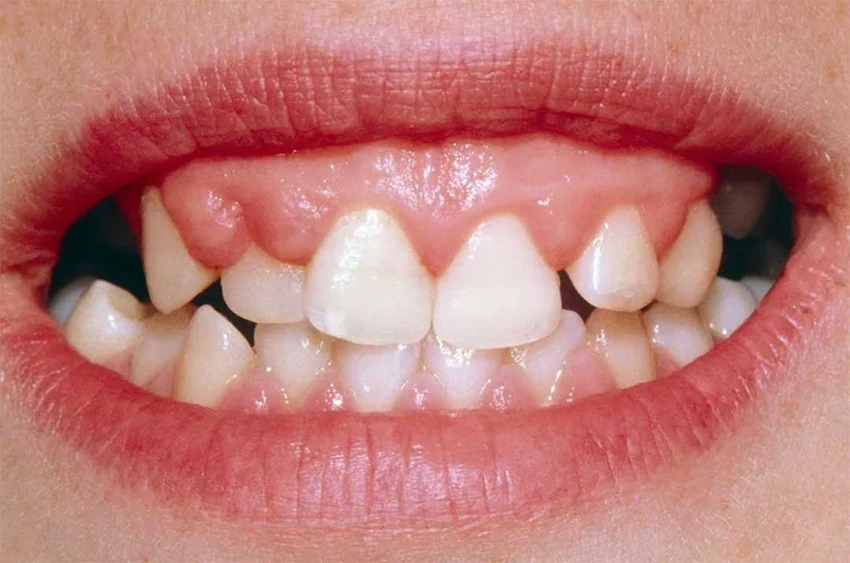
If the reason behind the overgrowing gum tissue is mild inflammation or unhygienic oral habits, then you have a shot at taming the situation by yourself. The first line of defense is regular brushing and flossing. Make sure to use a toothbrush with soft bristles and a gentle action at the gumline, and finish by rinsing your mouth with an antibacterial mouthwash detergent.
Another way around it is saltwater rinses as they are said to soothe gums and over time, they can help in making the tissues tighter. Try massaging your gums by executing a slow and smooth hand motion in the same way you do when you wash your face, and this will also enhance the circulation of blood and reduce swelling.
This does not mean that the aforementioned treatments are ineffective, however, they are only applicable to mild cases. In a situation where your gums have expanded due to the side effects of medication, hormonal changes, or there is a severe build-up of tartar, you must seek the services of the professional right away.
The Intraoral Dental Scanner
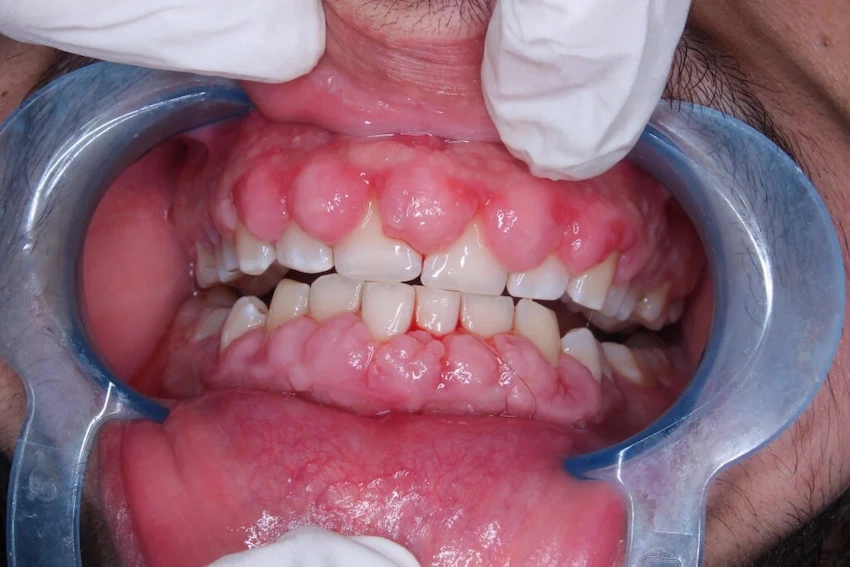
If your gums are thick, inflamed, and they seem to visibly cover your teeth with still coming a dentist might prescribe a deep cleaning or a gingivectomy – an operation where excessive gum tissue is removed and reshaped. It seems difficult, but the fact is that it’s fast, safe, and the most efficient way to fix your smile.
Laser gum contouring is also a new choice, which is not so complicated. It is not so painful and has a short recovery time. Both solutions tend to be very productive in cases of gum excessive growth over teeth, which leads a person to bite incorrectly, or to have difficulties with oral hygiene in the affected area.
Sometimes, in case the overgrowth is a result of the medication prescribed, the doctor could consider reducing the dose of the medication or changing the drug. The last option is the surgical removal of the overgrown part.
FAQ: When the Gums Extend Over the Teeth
The most common causes include plaque buildup, gum disease, certain medications, or genetics. It can also result from hormonal changes or poor oral hygiene.
Mild cases can improve with proper brushing, flossing, and rinsing. Severe cases often require dental treatments like gingivectomy or laser contouring.
Not always—but it can lead to discomfort, sensitivity, and bleeding if left untreated. It may also increase your risk of cavities and bad breath.
Yes, saltwater rinses, soft brushing, and antibacterial mouthwash can help with mild cases. But professional care is needed if the overgrowth persists or worsens.
No—when done by a dentist, gum removal procedures are safe and protect the health of your teeth. They’re designed to restore balance and allow better cleaning.