


One of the common utilizations of a D2740 dental code is the restorative dental work done through the example of the procedure for porcelain crowns on posterior teeth. As the code describes, it is about implementing a porcelain crown on a back tooth, which could be a molar or premolar, that has been damaged in most cases by either decay or trauma. This guide will explain in detail what Dental Code D2740 is all about, the materials used, the procedure itself, and the role of insurance in the process.
What is Dental Code D2740?
Dental Code D2740 is the American Dental Association’s (ADA) Current Dental Terminology (CDT) code for a “crown – ceramic/polymer.” Simply put, this code refers to a single, custom, full coverage restoration of a tooth made of either sophisticated ceramic or a composite resin-based material.
This is a crown that is made to imitate not only the color but also the translucency and the texture of the natural teeth around it. The dentist uses D2740 when the tooth is so weak that it needs to be given a protective cap that will also serve the function of restoring the shape, the strength, and the look of the tooth. This is the code for all-ceramic or resin-based crowns only; these kinds of dental restorations are clearly separated from PFM or metal ones.
Essential Features of a D2740 Crown:
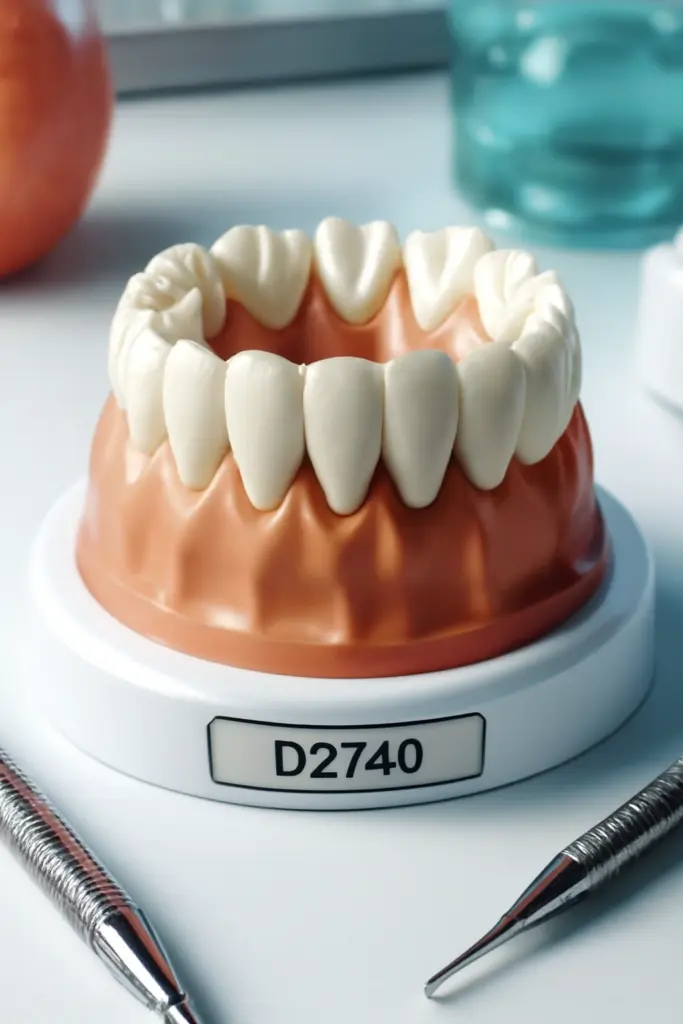
- Material: Highly durable ceramic (e.g., lithium disilicate, IPS e.max) or a high-quality polymer (resin composites).
- Look: Superior to nature, the product offers excellent light-handling properties to ensure it blends perfectly with your natural teeth.
- Compatibility: The compounds are very friendly to the gum tissues and metal-free.
When is a D2740 Crown the Recommended Treatment?
The dentist will certainly recommend a D2740 crown if there is a strong need for it to bring positive health results. It is a measure taken before the problem escalates in the case of several frequently occurring dental problems, the ultimate aim being to save the natural tooth.
The Most Important Clinical Conditions Are:
- Restoring a Severely Damaged Tooth: The D2740 crown offers a safety jacket that is both strong and durable for a tooth that has had a large fracture or that has gotten a cavity so deep that a filling is no longer an option. Moreover, by completely wrapping the tooth with a crown, the latter becomes shielded against further damage and cracking.
- Reinforcing a Tooth After Root Canal Therapy: Although a root canal treatment is a way out of the extraction of the tooth, it is the procedure that leaves the remaining structure more brittle. Hence, putting a D2740 crown on the tooth is not only a standard but also an indispensable step that serves the purpose of reinforcement and thus extends the longevity of the tooth.
- Replacing a Large, Failed Filling: The problem with a filling that has become too large compared to the rest of the tooth is that it makes the latter unsafe. To deal with it, one can replace this filling with a D2740 crown, thus achieving an even distribution of the biting forces and doing away with the risk of the sudden and dangerous splitting of the tooth.
- Correcting Significant Cosmetic Imperfections: Whitening and veneers are not a viable option for severely discolored teeth, teeth that have irregular shapes or that have noticeable gaps. In these cases, a D2740 crown is able to both shape the teeth as well as color them, making the tooth surface perfect once again.
- Protecting a Tooth with Excessive Wear: A D2740 crown solution for the tooth that was worn due to grinding (bruxism) or acid erosion is possible, as it will not only restore the original dimensions of the tooth, but it will also make it wear-resistant.
Why Choose a Porcelain Crown?
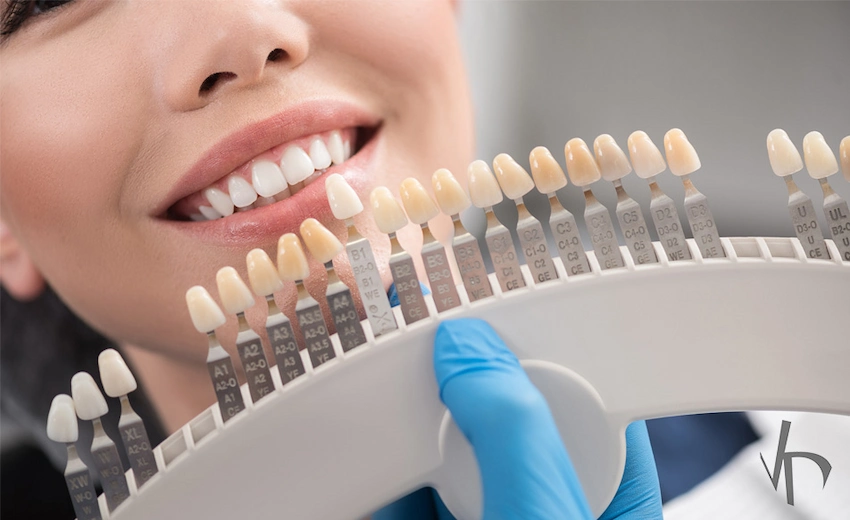
There are a number of reasons why porcelain dental crowns (dental code D2740) should be the first choice in restoring tooth structure:
- Aesthetic Delight: The porcelain material is made to be very close in color and translucency to natural teeth, thus being the most aesthetically pleasing way of restoration. This is extremely important for teeth that are in the smile and speaking zone.
- Resistance: Porcelain is an extremely durable material, and it can resist the forces that come with chewing. Even though it is not as strong as metal, the posterior teeth can benefit from it as a result of the combination of strength and beauty that is formed.
- Biocompatibility: Porcelain is a biocompatible material, meaning that the human body accepts it well and it is less likely to cause allergic reactions as compared to metals.
- Long-Lasting: If given proper care, porcelain dental crowns can be there for you for many years. They are quite resistant to the absorption of color; thus, they are a good choice for patients who want a strong but, at the same time, beautiful solution.
The D2740 Procedure: Step-by-Step
The process of receiving a porcelain crown under Dental Code D2740 usually entails two significant appointments:
Appointment 1: Tooth Preparation and Impression – (D2740 Procedure)
- Initial Examination: The dentist first does a thorough check-up of the tooth that is going to get the crown. It is also common that X-rays be taken in order to find out the extent of the decay or the damage.
- Tooth Preparation: The reshaping of the affected tooth in order to fit the crown is where the work moves on next. In this stage, the decay or the weakened parts of the tooth are removed. Healthy tooth structure is usually removed in minimal amounts so that the crown will be the proper fit.
- Impression: After the reshaping of the tooth, the dentist will take an impression of the reshaped tooth and the area around it. This impression is the template for the made-to-measure crown that fits exactly.
- Temporary Crown: To protect the prepared tooth, a temporary crown will be placed while the permanent crown is being made in the lab.
Appointment 2: Crown Placement (D2740 Procedure)
- Fitting the Crown: The temporary crown will be removed by the dentist at the second visit. A porcelain permanent crown fit and color will be checked by the dentist. If needed, an adjustment will be made for a perfect fit and bite.
- Bonding the Crown: The crown will be attached to the prepared tooth with a strong dental adhesive, after which the glue is applied after the fit confirmation. The dentist ensures that the crown is stable and the bite is correct.
- Final Adjustments: The last adjustments of the proper alignment and comfort are being made by the dentist while fitting the crown. Generally, on average, this procedure lasts between 30 and 60 minutes.
The Materials Used for Porcelain Crowns – D2740 Procedure
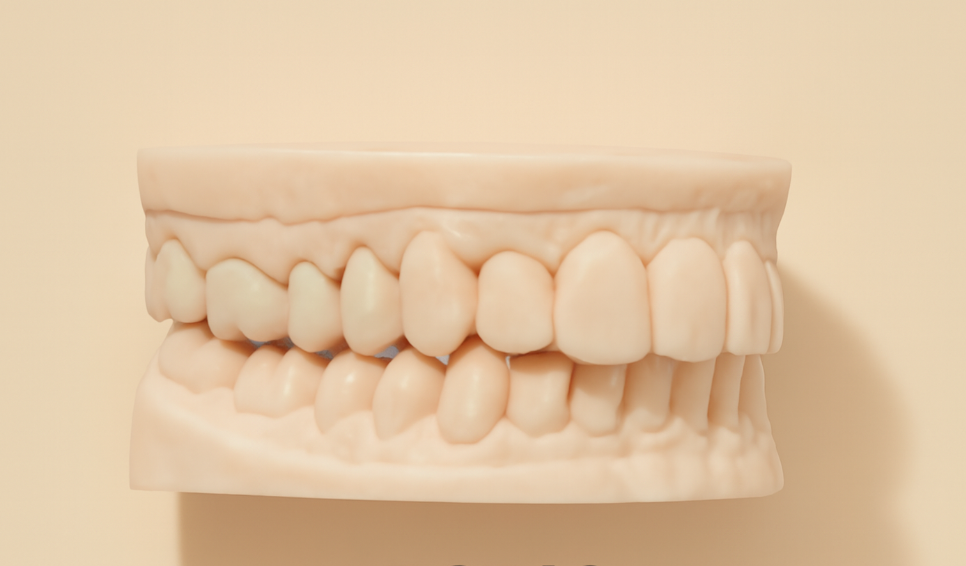
Different types of porcelain crowns are designed for different patient needs. Some of the common materials used in D2740 procedures are:
- All-Porcelain Crowns: These are full porcelain crowns and are highly preferred for their visual resorptive nature. Often used for teeth that show when smiling, these are the most common cases for such kind of crown.
- Porcelain-Fused-to-Metal Crowns: These crowns have the best of both worlds; the strength of the metal is maintained, while the exterior is made of porcelain, giving the crown a natural-looking tooth color. Although they are not as translucent as all-porcelain crowns, they provide great wear resistance, especially for molars, which get heavy loads during chewing.
- Zirconia Crowns: Zirconia is a ceramic material tougher than even porcelain. It is the right choice for patients requiring extra durability, especially back teeth. Besides being strong, zirconia crowns are also very natural-looking, so they are a perfect solution to both ends – strength and aesthetics.
Benefits of Dental Code D2740 Procedure
The D2740 procedure offers a variety of advantages to patients who are in need of a crown:
- Restores Tooth Functionality: A porcelain crown is the piece of work that corresponds to the functionality of a tooth that has been structurally weakened as a result of decay or damage. The patient obtains the ability to chew and bite in a proper manner, thereby lessening the risk of toothbrushing.
- Improves Appearance: Porcelain crowns are technically very close to the patient’s natural teeth and so they provide a cosmetic restoration that is both functional and visually pleasing.
- Long-Lasting Solution: If provided with the proper care, porcelain dental crowns may last you one or even one and a half decades, thus offering a durable solution to damaged teeth that is of a long-term nature.
- Comfortable Fit: The crowns made using your dental impressions provide you with a natural bite and a comfortable fit. Today’s crown manufacturing technologies ensure precision and excellent outcomes.
- Prevents Further Damage: Crowns allow the decayed teeth to be safe from further breakage and wear, which increases the time that the natural tooth is able to support the crown underneath it.
The Role of Dental Insurance and Costs
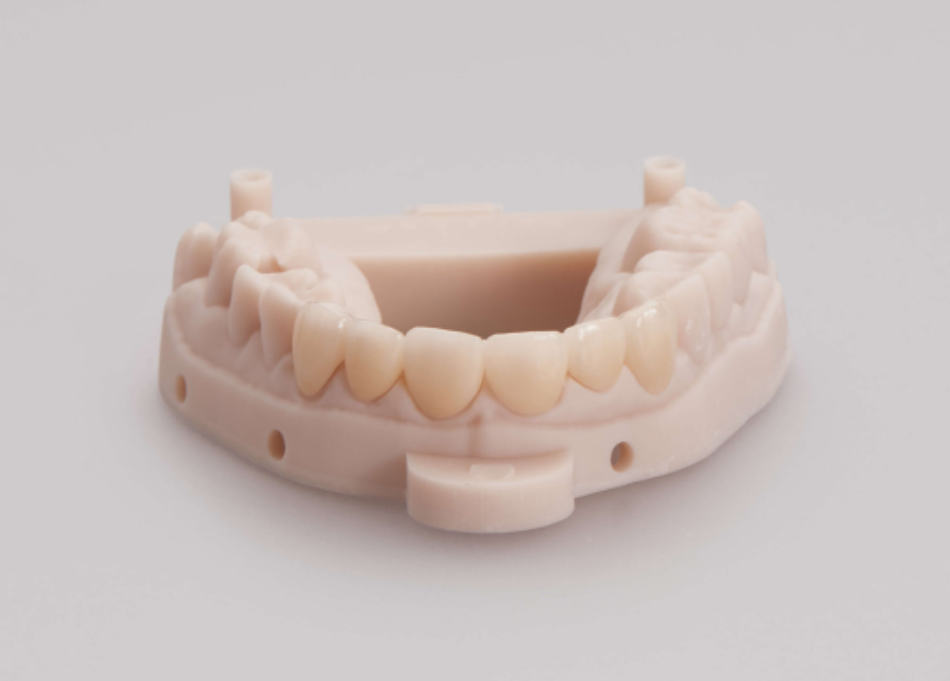
Concern about the procedure cost is probably the most common question when it comes to the D2740 operation. A porcelain crown can cost a lot, but part of the expenses is usually covered by a dental insurance plan. So, knowing the extent of your coverage requires communication with your insurance provider. Some of the important issues to be considered are:
- Coverage: In general, dental insurance policies provide for a great share of the cost of the crowning procedures, but the amount of this share depends on the provider only. There are many insurance plans that take care of up to 50% of the total costs, but the patient will have to pay the rest.
- Out-of-Pocket Costs: The out-of-pocket costs of porcelain dental crowns come down to the choice of materials. Also, the question of whether the patient requires a root canal treatment will affect the price.
- Payment Plans: Patients struggling with the costs of crown surgery can find a solution in monthly payments, offered by numerous dental clinics.
Conclusion About D2740 Dental Code
A D2740-related work is a must-have for the restoration of both the tooth’s function and appearance after the tooth has incurred damage. Porcelain dental crowns provide an excellent answer to those who require strong and good-looking dental restorations, especially the back teeth. Being aware of the stages, the utilized materials, the benefits, as well as the potential insurance coverage options, makes patients more knowledgeable and confident in their dental care decisions. Whether your goal is the restoration of a single tooth or a smile improvement, D2740 is a sustainable and effective way to achieve optimal oral health.
Sources:
- American Dental Association. (2023). Current Dental Terminology (CDT). Code D2740.
- Fasbinder, D. J. (2010). All-Ceramic CAD/CAM Crowns. Inside Dentistry, 6(8).
- Gracis, S., Thompson, V. P., Ferencz, J. L., Silva, N. R., & Bonfante, E. A. (2015). A new classification system for all-ceramic and ceramic-like restorative materials. The International Journal of Prosthodontics, 28(3), 227–235.
- Sailer, I., Makarov, N. A., Thoma, D. S., Zwahlen, M., & Pjetursson, B. E. (2015). All-ceramic or metal-ceramic tooth-supported fixed dental prostheses (FDPs)? A systematic review of the survival and complication rates. Part I: Single crowns (SCs). Dental Materials, 31(6), 603-623.
Frequently Asked Questions (FAQs) About Dental Code D2740
Dental Code D2740 is the official designation for a crown restoration crafted entirely from high-strength ceramic or advanced polymer materials. This code specifically identifies a custom-made, full-coverage cap that fully restores a damaged tooth to its original shape, function, and natural appearance.
A D2740 crown is fabricated as a single, solid piece of high-strength ceramic, ensuring exceptional aesthetics and a metal-free composition. In contrast, a D2752 crown combines a durable metal base with an outer layer of tooth-colored porcelain. This fundamental difference means the D2740 offers superior, lifelike translucency, while the D2752 provides a proven, robust hybrid construction.
With proper care and good oral hygiene, a D2740 crown can provide reliable service for 10 to 15 years, and often much longer. Its longevity is a direct result of your consistent maintenance and regular dental visits.
Your dentist uses local anesthesia to ensure the tooth preparation process is completely comfortable. After the procedure, once the anesthesia wears off, you may experience mild sensitivity or soreness in the gum around the tooth, which typically resolves within a day or two.
Most dental insurance plans provide coverage for crowns when they are medically necessary. Coverage levels can vary, and some plans may apply a downgrade to a less expensive material (like PFM). Our administrative team will gladly help you verify your specific benefits and out-of-pocket costs before you begin treatment.
es, absolutely. A D2740 crown is an ideal, metal-free solution for patients with known sensitivities or allergies to nickel, chromium, or other metals found in some dental alloys.

