A tooth tingling in the lower jaw is something one wouldn’t even want to imagine. There are times wherein it could start as mild but it doesn’t take a long time before you feel uncomfortable and worried about your situation. Did the phrase tingling in the lower jaw teeth ring a bell for you? If yes, you must be dying to know what is behind it, and whether you have a genuine reason to be anxious.
Although a tingling in the teeth of the lower jaw feeling can be of short duration, it could also be symptomatic of an underlying cause. This article is going to help you to have been coined with your problem, symptoms to look for, and the first steps to take to relieve it. Now, let’s see the common causes of the tingling
What triggers the Teeth Tingling in the Lower Jaw?
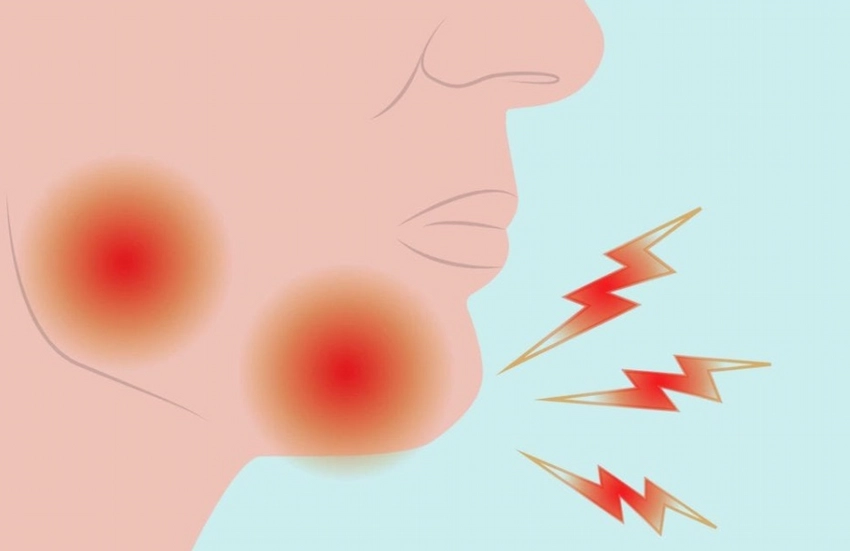
It is plausible that there is a wide range of factors that are responsible for the tingling in the teeth of the lower jaw, starting with an ordinary condition like dentine hypersensitivity and moving to teeth or nerve problems as the worst scenarios. The examples of a few of the most frequent factors are the following:
Nerve Sensitivity
The onset of tingling in the teeth of the lower jaw is more likely than not directly related to nerve sensitivity. Many factors, such as tooth decay, gum disease, or teeth grinding may lead to irritation of the nerves located in your teeth or surrounding oral tissues. When the nerves are affected, you might not only feel tingling, but will also experience pain, or in some extreme cases, sudden and severe pain originating from the nerves inside the jawbone.
Tooth Decay or Cavities
Cause number two triggering tingling or sensitivity in the lower jaw is the tooth decay process that eventually comes with cavities. The disease progresses until the nerves inside of the tooth are reached and that is when you get the pain, tingling in the teeth of the lower jaw or discomfort that hot, cold, or sweet things will do to you the next day of consumption of these foods.
Gum Disease
Aside from gum disease (gingivitis or periodontitis), there is also a possibility that the teeth might sleep, particularly on the lower jaw. With illnesses like the gums receding by the infection, the roots of the teeth might seep out of the gum line, thus, there can be developed increased smartness and a tingling in the teeth of the lower jaw feeling.
Your gums may be damaged by bacteria or virus infections, loss of blood supply, age, hormonal changes, or substance abuse such as cocaine and methamphetamines. Nerve damage may be due to other diseases also.
Tooth Sensitivity
It is common for most individuals to have certain problems of tooth sensitivity once in a while, and this is caused not only by the wear of the enamel but also by the excessive brushing of the receding gums. Especially if the lower jaw teeth are sensitive to those aspects, the revelation is that the dislodgment of enamel or the migration of the gums do it. The extreme sensitivity is accompanied by excruciating pain that could be due to the nervous tissue being vulnerable.
Nerve Issues or Neuralgia
There are times when a feeling of pins and needles in the teeth of the lower jaw is related to trigeminal neuralgia, a nerve condition. The disease is of the trigeminal nerve, a sensory nerve in the face and jaw. tingling in the teeth of the lower jaw can come from neuralgia, besides tingling, people often feel like they are being pierced by needles, mostly if there are some early or unusual movements such as cutting or brushing their teeth.
Also, a kind of neuralgia that is lighter and has a spreading characteristic may happen at the same time as the sharp shooting one; at the same time, the spreading pain occurs when touching the affected area. Neuralgia in the trigeminal nerve, a pain in a tooth, or several is nothing but the nerve that has felt an intense action, which happened to it accidentally or could have been the result of infection. Neuralgia brings with
Teeth Grinding (Bruxism)
For the most part, teeth grinding, or bruxism, is a regular habit that is developed mostly during the night unsupervised. Through bruxism, gritting and clenching the teeth constantly, you apply pressure on teeth, leading to the nerves in your jaw getting inflamed and subsequently, tingling in the teeth of the lower jaw and soreness occur. The main symptom of bruxism is the wear of enamel, which can make teeth more sensitive.
Sinus Problems
Moreover, some situations can occur in which sinus infections or sinusitis can bring about a sensation of tingling in the teeth of the lower jaw . The sinuses are situated very close to the upper jaw, so when they are inflamed, the pressure can easily find its way to the teeth, causing the tingling sensations. Very rarely, it might be so that along with tingling, you have sinus problems. Check this as well.
What Are the Precautionary Signs of Dental Problems?

You should visit a professional dental care practitioner if the tingling in the teeth of the lower jaw accompanied by pain in the lower jaw teeth does not dissipate and other indicators such as pain, swelling, or bleeding gums are present. On top of that, preventive dental options are very effective from the beginning and can deal with the source and avoid further damage.
First of all, both dental cavity and gum disease should be treated in a very short time so that we do not get any severe complications from these diseases. Cleaning the affected areas, treating the dental cavities, and eventually, discussing restorative treatments like filling or a cap, will be the typical steps a dentist will follow to solve the problem.
When the pain signifies an irritated nerve, the dentist in conjunction with a professional may facilitate the patient in the acquisition of other therapies such as drugs for the treatment of the nerve for the pain or the root canal therapy. It is a common practice that bruxism is treated by a special mouthguard, made to measure, that is both a shield against more abrasion of your teeth and a relief for your jaw.
As for the tingling in the teeth of the lower jaw where the pain appears to be related to the sinuses, it is recommended to contact your family doctor to get more information as reliable possibilities to remedy your conditions of sinusitis can be the first step to avoid developing health issues.
What Favors Teeth Prickling in the Lower Jaw to Be Relieved?
There are a few home remedies that can help alleviate the tingling in the teeth of the lower jaw while you wait for professional help: If you are suffering from teeth sensitivity you can start using a desensitizing toothpaste, which will gradually reduce the pain caused by the tingling of teeth.
- Stay away from Triggers: If the cause of your tooth sensitivity is known, and you are aware of food or drinks that are likely to trigger it (like hot, cold, or acidic food and drinks), make sure that you don’t consume them until your dentist examines you by which time this will help in effecting the reduction of the pain.%
- Use a Soft-Bristled Toothbrush: A toothbrush with soft bristles is the best for your gums and teeth and even more so if you have gum recession and enamel wear. Being careful in your brushing will aid in no or less irritation to the gum.
- Manage Stress: In case teeth clenching and grinding are the cause, dealing with stress is an imperative. The introduction of such techniques as relaxation exercises, sleep care, or a custom fit mouthguard protects the teeth from damage and reduces the load on the jaw.
- Manage Stress: If stress is the cause of your teeth grinding, you should make efforts to manage stress. Ways such as relaxation exercises, meditation, a combination of both, or the use of a night guard can be the possible approaches to protect your teeth and relieve the pressure on the jaw.
FAQs About Teeth Tingling in the Lower Jaw
Tingling in the teeth of the lower jaw could indicate a number of issues, including nerve sensitivity, tooth decay, gum disease, or even bruxism. It may also be caused by sinus issues or neuralgia.
Yes, tooth sensitivity is a common cause of tingling or discomfort, especially when the enamel wears down or gums recede, exposing the tooth’s roots.
Yes, teeth grinding (bruxism) can cause tingling in the teeth, especially if it’s been ongoing. It can also lead to jaw soreness and tooth wear.
Occasional tingling may not be a cause for concern, but if the sensation is persistent or becomes painful, it’s important to see a dentist to rule out issues like tooth decay, gum disease, or nerve damage.
If your teeth are tingling due to sensitivity, using desensitizing toothpaste and avoiding irritants like acidic or very hot/cold foods can help. If the tingling persists, a visit to your dentist is necessary for further evaluation.