Science indeed says that, in the oral world, the unequivocal might and the powerful engine of the teeth are our molars. The grinding and chewing of food can be left to those molars, besides, the production and the attractive look of your jawline also depend on healthy molars. Symptoms of molar teeth eruption can differ.
Its teething period, however, especially the eruption of the first molars and later in life when wisdom teeth grow, molars often exhibit unpleasant symptoms and sensations. Within this article, you will get to learn all the ins and outs of molar eruption symptoms and what are the different stages of life as well as the most effective ways to tackle the uneasiness head on.
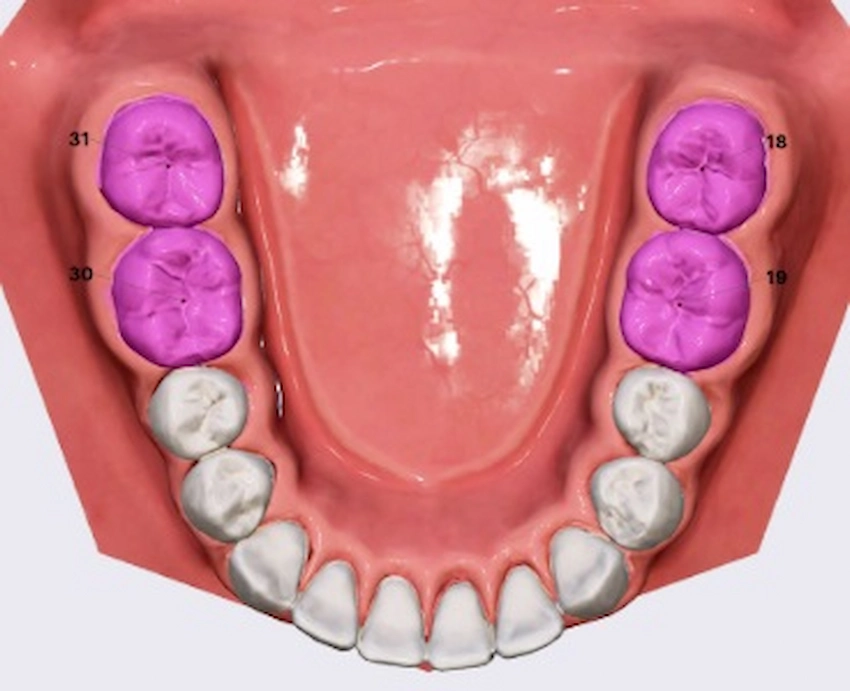
Much to everyone’s knowledge, molars eruption don’t come out at one go. It is in a series of events that takes place; the child’s first molar is usually seen at the age of six then followed by the second and the third molars (wisdom teeth) that usually appear anytime within the late teens and mid-twenties. The time it takes for each tooth to come out may vary from person to person, but we all experience the same age-related physical changes and symptoms.
Symptoms of Molar Teeth Eruption in Childhood
All the inconveniences brought about by the climacteric molaring period of the children can make it a very daunting experience for the children as well as for their parents. Initially, the main complaint many parents have is their children’s changed behaviour. Children who are in the process of getting their molars might be more irritable or restless, more particularly, at night.
The tenderness of the pressure brought about this effect and is a big cause of the children’s teeth coming through the gums. Their gums are usually swollen and/or red and the child may have the urge to relieve the discomfort in his/her own way by instinctively chewing on toys or fingers. In rare cases, the first symptoms to appear are drooling, slight fever, or even facial rashes due to too much exposure to the wet skin due to the constant flow of saliva.
Dentition is one of the most discussed matters related to children, however, parents may be surprised when their older children begin to have molars erupt. Although the pain is not as intense as when they were infants, it is still uncomfortable for the children and it also takes a longer time to be explained. Thus, if the parents know the most frequent symptoms of molars they can provide their kids with several comfort measures and better care when the problem arises.
Molar Teeth Eruption in Adults (Wisdom Teeth) Symptoms
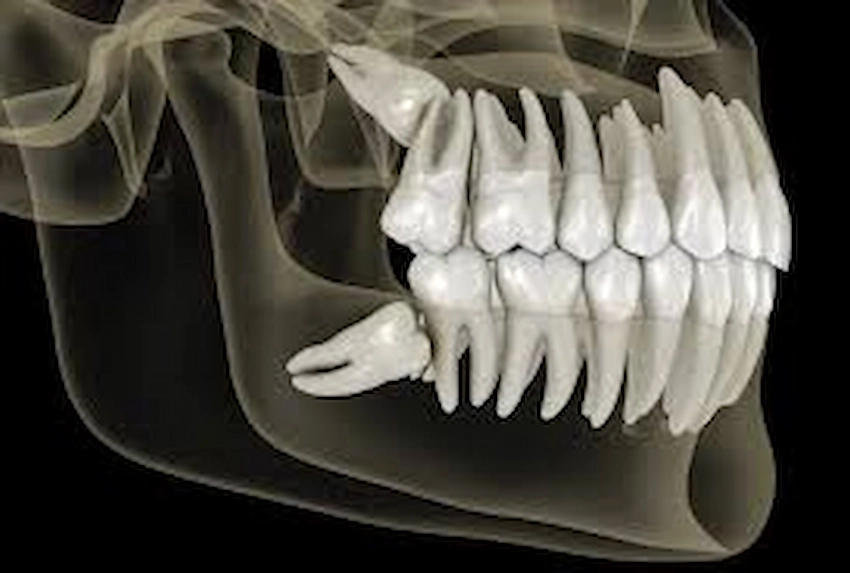
Actually, we should say that the percussion of adulthood and further on is still all about molar teeth appearance. Wisdom teeth, in particular, bring the same sequence’s dot, however, the appearance of wisdom teeth in adults can pose more challenges. These third molars erupt last and are generally responsible for complications. The vast majority of people usually feel unexpressive but aching pain in the furthest part of the jaw that may spread towards the ears and neck. This pain usually becomes worse when one chews or clenches one’s teeth.
Additionally, among the signs of the gum tissue surrounding the erupted molar welcoming some swelling is very common and inflammations also can be there. In some cases, the gum may cover the tooth partially thus creating a pocket where food particles and bacteria can get trapped. The accumulation of bacteria in this area can result in the occurrence of an infection called pericoronitis. Reported symptoms of a few people include difficulties with the opening of the mouth, also known as trismus. Additionally, some people experience pain in the head and sinuses and sometimes a feeling of great pressure when they are in the process of eruption.
Halitosis is also a prevalent problem among patients who are suffering from molar eruption. Partially erupted molars are difficult to clean, therefore, food may easily be entrapped, thereby causing bad breath along with an unpleasant taste in the mouth. Moreover, if this condition is left untreated, it can develop into a more serious infection and the swelling may progress.
What are the Best Ways to Handle the Symptoms of Molar Teeth Eruption?
Dealing with the eruption of the molars by kids or grown-ups is never easy, but it can be tackled by some good old patience and by using a certain number of treatments. The main issue is to keep down the swelling, reduce the pain, and make sure that oral cleanliness is maintained. Gently, the molar area should be cleaned out as a hygiene part, while the molar is breaking into the mouth.
Rinsing with warm salt water is very effective and for adults is considered the most appropriate, whereas the younger children may use cold washcloths or even get relief by chewing some special teething toys that have been designed for them.
The individual’s age should also be adjusted to the pain relief methods. A good example in adults, over-the-counter drugs, for instance, if they take ibuprofen as prescribed then the medication will reduce the pain but also be instrumental in putting down swelling since it is anti-inflammatory, however, consultation should be with a doctor.
When to Visit a Dentist for Molar Eruption Symptoms?
Although the molar teeth eruption out do bring us pain, some symptoms that are visible aren’t natural, and that indicates we should see a dentist. If either the pain becomes unendurable and doesn’t go away, you see a discharge of pus, swelling is intense and you can’t open your mouth and then you should make an appointment to see a dentist so he can address the situation. In the case of children, the refusal to consume food or drinks, plus being angry all the time, and having a high fever is a clear sign that you are supposed to seek immediate medical care for the child.
The process of growth and eruption in the molar teeth can affect it (them) in such a way that it becomes difficult to distinguish these symptoms only for a regular person. So if a dentist thinks only of the symptoms, his/her clinical diagnosis is primary in the right approach to effective treatment. Through an early process of identifying complications like impacted teeth, infection, or jaw misalignment, one can avoid a future of distress.
FAQs About Symptoms of Molar Teeth Eruption
The first signs are typically tenderness or swelling in the gums, irritability, and mild pain in the jaw. In children, you may also notice increased drooling and disrupted sleep patterns.
A low-grade fever can sometimes accompany molar eruption, especially in children. However, a high fever usually suggests a different health concern and should be checked by a doctor.
The process can take several weeks to a few months, depending on the individual. Some molars come in smoothly, while others may erupt slowly with prolonged discomfort.
Yes, especially wisdom teeth. They may grow sideways, push against other teeth, or become impacted. This usually requires surgical intervention.
Bad breath can occur when food and bacteria collect around an erupting molar. Maintaining good oral hygiene and visiting a dentist can help manage this symptom.