


Subperiosteal implant care includes proper hygiene and regular check-ups for optimal results.
Post-Subperiosteal Dental Care in Turkey
You’ve likely been told that your jawbone isn’t quite thick enough for traditional implants. It can feel like a setback, but at Lema Dental Clinic, we see it as an opportunity to utilize the “custom-fit” architecture of subperiosteal implants. Unlike standard screws that act like pillars in the ground, a subperiosteal implant is like a custom-made metal saddle that sits gracefully atop your bone but under the gum tissue.
The surgery is only half the battle. The real magic happens during the healing phase. In Turkey, our approach to aftercare combines high-tech clinical monitoring with a deep, patient-centered empathy.
The First 48 Hours: Setting the Foundation
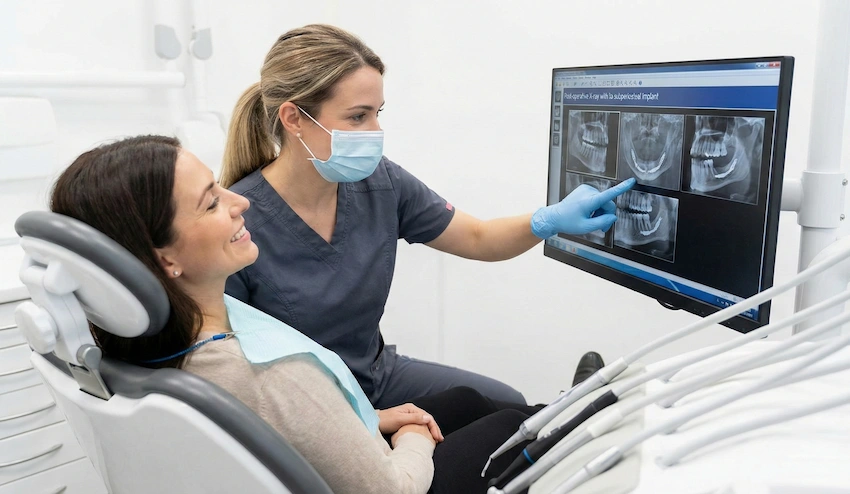
The first 48 hours after surgery are the most important. Your new implant should be thought of like a fragile seedling; if you uproot the soil too soon, it simply won’t grow. Professor Doctor Cokun Yldz frequently tells patients that the body’s inflammatory response is actually the beginning of the repair process.
- The Ice Rule: Cold compresses should be applied for 20 minutes, then removed for 20 minutes. This is not only for comfort; it also narrows the blood vessels to prevent excessive swelling.
- The Elevation Strategy: Use two or three pillows to keep your head elevated while sleeping. Gravity is your helper here, as it allows the fluids to drain away from the surgical site.
- Bite with Care: You may be instructed to bite down on a piece of gauze for about an hour after the operation. This produces the initial pressure that is necessary to stop the bleeding.
The “Lema Protocol” for Long-Term Success
Our clinical experience at Lema Dental Clinic has been the recovery process of patients, who consider their recovery as a professional recovery program, is significantly faster. Dentist Polen Akkılıç and her team are the ones who most strongly convey the “no strain” policy for the first week”.
Nutrition as Medicine
Just as you cannot build a house without bricks, you cannot bone heal without nutrients. However, those nutrients have to be in liquid or soft form.
- Phase One (Days 1, 7): Protein shakes, lukewarm soups, and blended smoothies (no straws the suction can dislodge the clot!).
- Phase Two (Weeks 2, 4): Soft pasta, scrambled eggs, and mashed vegetables.
- The Golden Rule: No “crunch and heat.”
The hottest coffees and the crunchiest chips are, without a doubt, the worst enemies of a healing incision.
Recovery Timeline: What to Expect
| Phase | Duration | Typical Experience | Primary Goal |
| Acute | 1 – 3 Days | Mild swelling and “tightness” in the jaw. | Clot stabilization. |
| Intermediate | 4 – 10 Days | Swelling peaks then recedes; stitches may feel “itchy.” | Tissue closure. |
| Integration | 2 – 6 Weeks | Returning to normal diet; implant begins to bond. | Bone adaptation. |
| Final | 3 – 6 Months | Full loading of the permanent prosthesis. | Structural permanence. |
Why Turkey for Subperiosteal Care?
The truth is subperiosteal interventions demand a surgical skill level that is above the norm of a standard implant procedure. In Turkey, we do not take any chances with the fitting of your subperiosteal implant. We achieve an exact fit using 3D bone mapping and CAD/CAM technology to ensure the “saddle” fits your bone like a glove. However, the technology itself cannot work miracles. So the question arises: why do patients drive us crazy with their long, distance visits? The answer is in the post, operative follow-up. Our team keeps in touch via digital means even after you travel back to your place, examining photos and symptoms to be sure that the recovery is going on smoothly. Common Pitfalls to Avoid Let us, however, have a closer look at what is usually going wrong.
The Most Frequent Error?
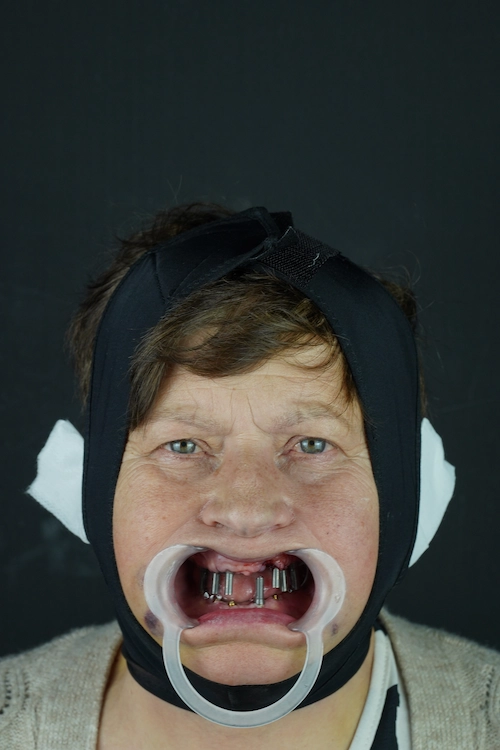
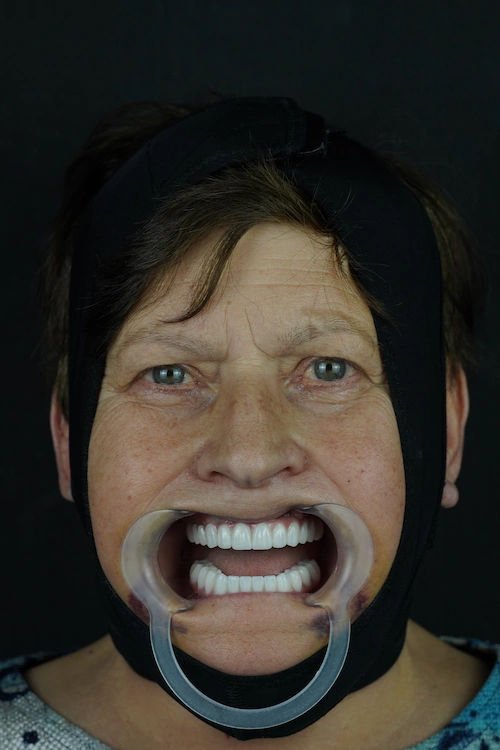
Smoking. Nicotine is a vasoconstrictor and thus it literally suffocates the blood vessels that supply the healing gums with blood. If the blood cannot be delivered to the implant site, no integration will take place. At Lema, we encourage our patients to treat this period as a “healing sabbatical”a time free of habits that stand in the way of your body’s natural wisdom.
FAQ: Direct Answers from Our Specialists
“Most patients describe it as a dull ache rather than sharp pain. Because we don’t drill deep into the marrow as we do with traditional implants, many find the recovery surprisingly manageable with standard prescribed pain relief.” — Professor Doctor Coşkun Yıldız
“Usually, 3 to 5 days is sufficient. If your job involves heavy lifting or constant talking, you might want to take a full week to let the initial swelling subside.” — Dentist Polen Akkılıç
“Yes. Gravity pulls the bruising downward. It’s quite common to see yellow or purple tints near the jawline or upper neck a few days after the procedure. It’s nothing to worry about.” — The Lema Surgical Team
“Not directly for the first few days. We provide a specialized chlorhexidine rinse to keep the area sterile. You can brush your other teeth, but give the ‘saddle’ some space until we give the green light.”
“The red flags are persistent, throbbing pain that gets worse after day five, or a fever. If you feel ‘loose’ sensations, contact us immediately. Early intervention usually saves the day.”
- Gellrich, N. C., et al. (2017). Custom-made subperiosteal implants (TMSI) for the severely resorbed maxilla. Journal of Cranio-Maxillofacial Surgery.
- Misch, C. E. (2020). Contemporary Implant Dentistry. Elsevier Health Sciences.
- Yıldız, C. (2022). Advanced Bone Grafting and Subperiosteal Solutions in Modern Implantology. Turkish Dental Review.
- Nemtoi, A., et al. (2019). The use of 3D printing in subperiosteal implant manufacturing. International Journal of Medical Sciences.
- Akkılıç, P. (2023). Patient Outcomes and Soft Tissue Healing in Digital Dentistry. Istanbul Clinical Journal.

