


Sleep apnea is a common sleep-related problem that has impacted many people all over the world. Intermittent cessation of breath during sleep that induces reduced oxygen concentration in the blood, low restorative sleep, and multiple health disorders is the underlying cause of this condition. Besides CPAP machines, two of the most common and effective therapies in the treatment of OSA are oral and nasal appliances, as well as sleep apnea mouth guards.
In the case where you or somebody you deeply care about is a sleep apnea patient, choosing the most proper therapy would become a difficult task. Although the fundamental principle of keeping the airway open during sleep is similar in the two methods, they differ vastly with respect to the mechanism of action. This paper will explain as much as it can about these two therapies and what kinds of benefits, effectiveness, comfort, side effects, and more they provide. You will be able to tell which one is better after reading this.
What Is a Sleep Apnea Mouth Guard?
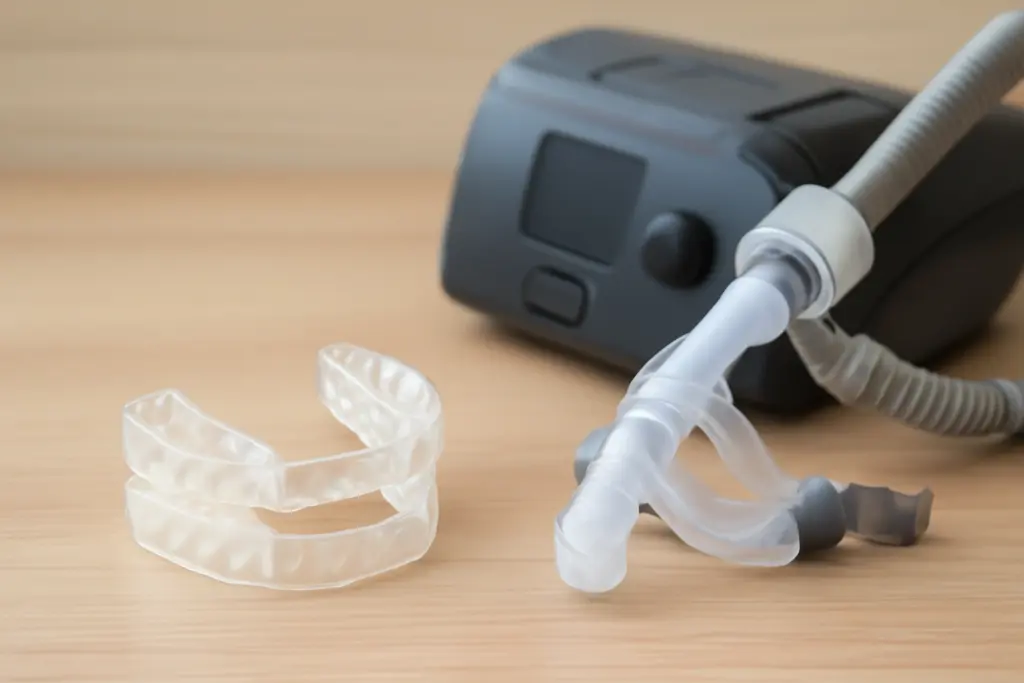
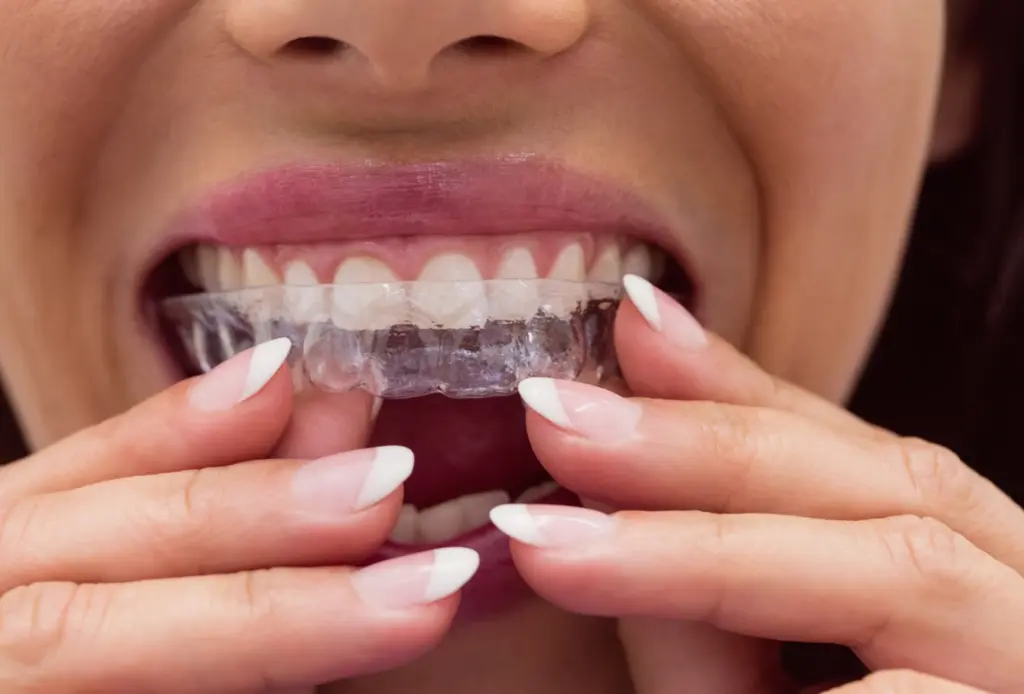
A sleep apnea mouth guard, sometimes called a mandibular advancement device, is a kind of oral appliance that opens the airways, thus helping the patient to breathe normally. The gadget operates by shifting the lower jaw forward in a very delicate manner, thus avoiding the airway’s closure. Having the jaw advanced a bit makes it possible for a more inflow of air and therefore apnea events get less frequent as the individual sleeps.
Mouth guards are the best-suited devices for people who have sleep apnea of mild or moderate sleep apnea, and doctors are the ones who suggest them to patients who are not able to use the CPAP machine. These are specially designed and done by a dentist to make sure they are safe and comfortable during sleep. They provide a reliable way of managing sleep apnea.
How Does a CPAP Machine Work?
A CPAP machine (Continuous Positive Airway Pressure) is a gadget that, via a mask and a fan, gives the wearer a continuous flow of air directly into the airway to keep it open while sleeping. The air that is given to the patient’s lungs stops the airway from closing, thus the organs of the respiratory system that get the air are very helpful to patients with moderate or severe obstructive sleep apnea. CPAP treatment accomplishes the aim of airway blockage prevention and general quality sleep enhancement by ceasing the episodes of breathing interruptions.
The success of CPAP therapy in treating sleep apnea is remarkable, and it is often the only and the best treatment for those who suffer from frequent apneas. By incorporating the patient’s personal data, the device operates by maintaining a certain pressure tailored to the individual’s needs. However, the mask and the device’s sound still contribute to some individuals finding the therapy inconvenient.
Key Differences Between a Sleep Apnea Mouth Guard and a CPAP Machine
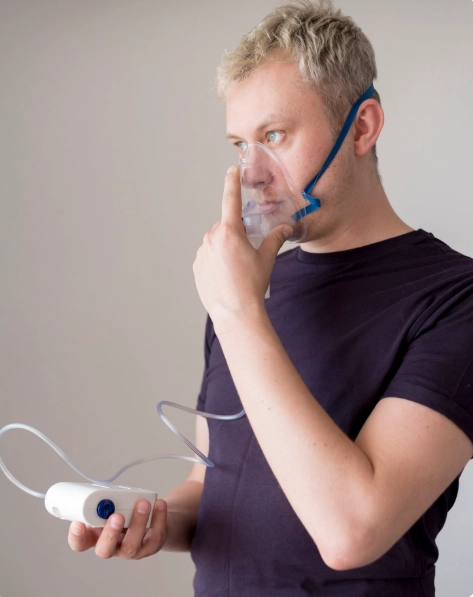
Effectiveness for Sleep Apnea Treatment
- Sleep Apnea Mouth Guard: Mouth guards are the most suitable solution for patients with mild to moderate obstructive sleep apnea. The device, by doing a jaw repositioning, opens the airway, thus lessening the number of apneas and snoring.
- CPAP Machine: CPAP therapy is said to be the single most effective method of treatment for moderate to severe cases of obstructive sleep apnea. The air flow provided by the CPAP machine under pressure ensures that the airway is kept free all night, thus breathing pauses are avoided, and the overall sleep quality is improved.
Comfort and Convenience
- Sleep Apnea Mouth Guard: A mouth guard is mainly very comfortable and convenient and that is the primary pro of such a device. Not only is it small and lightweight but simple to operate as well. Most people find it very much easier to get used to than CPAP machines which in turn require a mask. Also, mouth guards are small and can go anywhere with you without a need for a power source. A lot of people find them more comfortable, especially those who travel a lot.
- CPAP Machine: Although CPAP can be a very successful therapy in some cases, it might not be as comfortable for some users. The sensation of putting on a mask that covers the face could feel tight or unpleasant, and most especially the sufferers of claustrophobia. The machine is also very big and, therefore, it needs to be plugged into an electric socket for it to operate and kept under maintenance to make sure it is working properly.
- Sleep Apnea Mouth Guard: The most common side effects of sleep apnea mouth guards include the discomfort of the jaw, toothache, and gum irritation resulting from the device not being properly fitted. A few of the users may even feel changes in the bite or disharmony of the temporomandibular joint (TMJ), however, by regular dental visits and adjustments of mouth guards, the majority of these side effects can virtually be eliminated.
- CPAP Machine: CPAP therapy side effects may include dry mouth, nasal congestion, skin irritation, and headaches caused by the mask. Some users may experience the feeling of being trapped and have difficulty in adapting to the use of the mask. In addition to this, the noise made by the fan of the machine can be a source of discomfort for some users, nevertheless, new models have been created to be quieter.
Side Effects
- Sleep Apnea Mouth Guard: In most cases, oral appliances are significantly less expensive than CPAP machines, and for that reason, the price is the major deciding factor in most cases. Usually, stressed mouth guards that are made specifically for the individual are more expensive than over-the-counter ones, but most of the time, they are more comfortable and effective. They require normal cleaning and occasional replacement to maintain their cleanliness and efficiency.
- CPAP Machine: The costs of CPAP machines are, in most cases, quite high, and the range of the model prices can be between $300 and $800. Moreover, apart from the first buy, the patient should also anticipate some other expenses for the upkeep such as the changes in the filter, mask, and tubing. Although it is mainly insurance that covers most of the costs, the patient still needs to make a certain amount of payment.
Is a Mouth Guard Better Than a CPAP Machine?
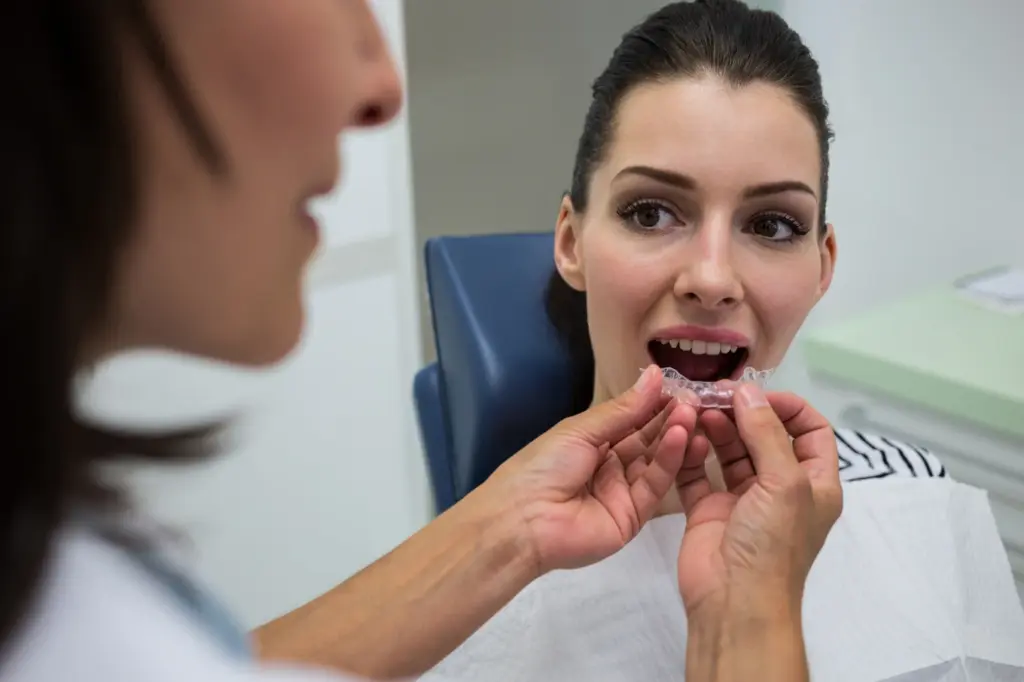
Determining which of the two, a mouth guard or a CPAP machine, is a better tool for the treatment of sleep apnea depends mainly on the degree of the disease and what makes you feel more comfortable. To each option belongs its own advantage, and it is effective for the different degrees of sleep apnea.
For Mild to Moderate Sleep Apnea: The Benefits of a Mouth Guard
In most cases, oral appliances represent an ideal solution for the sufferers of mild to moderate obstructive sleep apnea (OSA). They are also known as mandibular advancement devices (MADs) and they work by moving the lower jaw forward, which, along with air passing tubes, allows by this technique to airway not to collapse due to sleep. Their benefits are:
- Comfort and Convenience: Mouth guards are small and less obtrusive, and no mask or machine is needed. Most users consider them more comfortable, particularly those who have undergone a difficult time due to the discomfort of a CPAP mask.
- Moreover, custom sleep apnea oral devices are, as a rule, significantly cheaper than CPAP machines, which require a large upfront cost and ongoing maintenance (e.g., replacing filters, tubing, etc.).
- Non-invasive Solution: A mouth guard is a very simple solution without the assistance of a machine or air pressure, which is the cause of the problem, and in some cases, people find it intimidating or uncomfortable. So, it is perfect for people who want a less invasive method for sleep apnea treatment.
- Reduced Snoring: Besides the improvement of sleep apnea, mouth guards are also very effective in the case of snoring. By making the airway free, they help to decrease or fully remove snoring, thus they combine with people who have mild OSA and snoring as a simple solution.
Individuals suffering from mild to moderate sleep apnea are usually advised to use mouth guards since they are comfortable, easy to use, and less costly. Nevertheless, the situation might be entirely different for people with more severe apnea.
For Severe Sleep Apnea: Why CPAP Therapy is Essential
If somebody has severe obstructive sleep apnea (OSA), the most efficient therapy is a CPAP machine. However, mouth guards are suggested just for the treatment of mild to moderate sleep apnea. CPAP treatment puts a mask on the patient which is connected to a machine that supplies a constant positive airway pressure, thus the airway is not closed because the air is pushed through the lungs.
- Continuous Airflow: The CPAP machine can run continuously positive pressure, which ensures that breathing is uninterrupted, as it is quite important for people who suffer from frequent, most apneas.
- Clinically Proven: The CPAP method is the most effective treatment for people who have severe sleep apnea and is thus referred to as the gold standard in this respect. It is supported by a lot of clinical research that has been done over the years and has been the most effective therapy for people who have frequent or long-lasting apneas.
- Better Sleep Quality: Users of CPAP devices gain useful assistance to their daily lives. Makes day fatigue, irritability, and long-term health complications like hypertension, cardiac arrest, and stroke less probable by providing alternative rest continuously through the night…
CPAP therapy is the most effective treatment that guarantees complete management of serious sleep apnea. It is very effective in treating severe apnea; thus, even if it may not be comfortable for all users, CPAP should be embraced rather than avoided.
Who Should Consider a Mouth Guard?
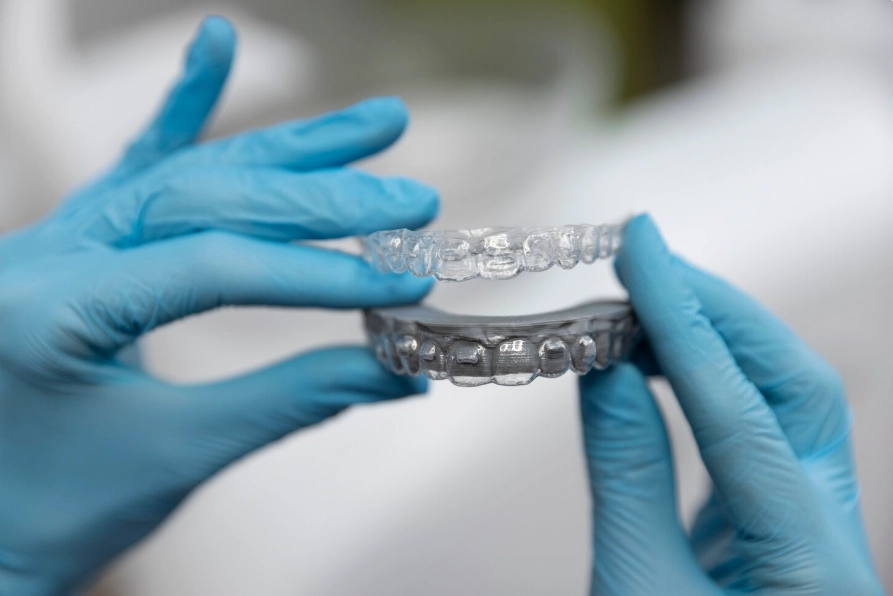
The use of a mouth guard for sleep apnea is the best solution that fits the description of people who have the following conditions:
Mild to Moderate Obstructive Sleep Apnea
If the doctor tells you that you have mild to moderate obstructive sleep apnea, then you can improve your sleep with the help of a mouth guard. A mouth guard is especially beneficial to those who have the airway blockage during sleep only sometimes or rarely, but do not have a large number of apnea episodes.
Snoring Problems
Snoring is one of the symptoms that accompany sleep apnea. To be more precise, when the airway is partially blocked, the person starts to snore. In order to totally eliminate or reduce snoring, the mouth guard works by moving the jaw forward, and thus the airway collapse is prevented. Using a mouthguard can help those who have habitual snoring get rid of their snoring problem with a simple solution that also tackles the root cause of the sleep apnea.
Difficulty Adjusting to CPAP Therapy
Mask discomfort, which is the discomfort of the mask, air pressure, and the machine’s noise, is the main reasons that make the CPAP machine difficult to use by certain individuals. In case you have undergone CPAP therapy and only experienced difficulty during the adjustment period, then I would suggest trying a mouth guard that would give you more comfort without having to wear the CPAP mask or deal with air pressure all the time.
Those Seeking a Non-Invasive, Comfortable Solution
On the condition that a person is looking for a comfortable and non-invasive solution to the problem of sleep apnea, then a mouth guard is the perfect answer. CPAP therapy has its disadvantages, one of which is, for instance, regular maintenance and the need for equipment, but on the other hand, a mouth guard is a simple, portable device that is easy to wear while sleeping. This is a desirable choice for people who prefer less scientific ways of treating their sleep disorder.
Who Should Consider a CPAP Machine?
A CPAP machine is a good option for people who have:
Moderate to Severe Obstructive Sleep Apnea
Upon your diagnosis of moderate to severe OSA, the commonest treatment is the use of a CPAP machine. The essentially continuous airflow provided by the machine ensures that the airway is always kept open, which is absolutely necessary for a person who undergoes a great deal of airway collapse while sleeping. Thus, the best case for CPAP is when it brings the support level to the target of continuous and safe respiration throughout the night in severe cases.
Individuals Who Snore Loudly and Experience Frequent Breathing Interruptions
One reason why a CPAP machine could be the right solution is in the case when loud snoring and frequent breathing interruptions (apneas) are observed in you or your bed partner. Mouth guards can only carry out a part of the task and may not be sufficient in severe cases, whereas CPAP is the one that warrants continuous airflow and hence safety from airway collapse.
People Looking for a Clinically Proven Solution to Manage Sleep Apnea
CPAP therapy is the main clinically proven approach that leads to the success of severe obstructive sleep apnea treatment. It is among the first-line treatments in sleep specialists’ recommendations, and statements of the effectiveness of CPAP in improving sleep quality and reducing the risk of health problems related to untreated sleep apnea have been one of the main factors in the numerous clinical studies’ results on CPAP effectiveness.
Those Who Are Comfortable Using a Mask and Willing to Adjust to Continuous Airflow Therapy
If mask usage makes you feel at ease and you are willing to try continuous airflow for sleep, you may consider a CPAP device as the best option. The majority of people, after going through the first stage of discomfort while getting used to CPAP, successfully manage this therapy and get as a result, get better sleep quality and health.
Both sleep apnea mouth guards and CPAP machines are good in reducing obstructive sleep apnea, which is a condition that closes the airway during sleep. Nevertheless, the decision between them will be influenced by the level of severity of your condition, comfort preferences, and your lifestyle.
- An oral appliance may be a smart option and a cheaper comfortable solution for people with mild to moderate sleep apnea because it is non-invasive and simple to handle.
- CPAP is the best therapy for those who suffer from severe sleep apnea. It helps a continuous airflow to the lungs to prevent the airway from collapsing at any time during sleep.
First of all, it is necessary to visit a doctor who will help you decide the best course of treatment. By using the correct treatment to relieve sleep apnea, you will get better sleep quality, have a healthier overall self, and be less prone to suffering from long-term complications.
References:
- W. W. Collins & S. E. Meiklejohn. (2014). Sleep Apnea and the Role of Treatment Options. Oxford University Press.
- H. G. Sullivan. (2008). Continuous Positive Airway Pressure for the Treatment of Obstructive Sleep Apnea. Journal of Clinical Sleep Medicine, 4(2), 132-138.
- S. S. Chervin. (2016). Mouthguards and Mandibular Advancement Devices in the Treatment of Sleep Apnea: A Clinical Perspective. Springer.
- American Academy of Sleep Medicine. (2020). Clinical Guidelines for the Use of CPAP in Sleep Apnea. Retrieved from www.aasm.org
- American Dental Association. (2019). Oral Appliances for the Treatment of Sleep Apnea. ADA, Chicago.
FAQ’s About Sleep Apnea Mouth Guard vs CPAP
A mouthpiece (sleep apnea mouth guard) is generally better for individuals with mild to moderate sleep apnea. It is more comfortable, portable, and non-invasive. However, for severe sleep apnea, a CPAP machine is more effective in preventing airway blockages.
The 4-hour rule for CPAP therapy means that individuals should use the CPAP machine for at least 4 hours per night to experience significant improvements in sleep quality and health. Consistent use of CPAP is essential to managing sleep apnea effectively.
For mild to moderate sleep apnea, a mouth guard can be equally effective as a CPAP machine. However, for severe sleep apnea, a CPAP machine is the more reliable and recommended option.
It is not recommended to skip CPAP therapy, as even one night without treatment can cause sleep disturbances, increased daytime fatigue, and potential health risks. If you experience discomfort or difficulties with your CPAP, consult your doctor for alternatives.
The success rate of mouthpieces for mild to moderate sleep apnea is generally high, ranging from 60% to 90%, depending on the individual’s response to the device. Custom-made mouth guards offer the highest success rates.

