


Root canal treatment, or endodontic therapy, is a necessary operation, without which a tooth that has been extremely damaged or infected would have to be removed. It is a step-by-step procedure that first removes the infected pulp inside the tooth, after which the canal is cleaned, disinfected, and sealed. This method not only stops the infection but also rescues the tooth from the inevitable extraction. The tooth should be checked and cared for after a root canal to be sure that it heals properly and works like before.
Root canals are very successful, but aftercare has to be the right one if there are to be no complications and the wound is to heal. Dentist Polen Akkılıç and her team at Lema Dental Clinic point out that even though the root canal is a minimally invasive operation, aftercare can still have a significant impact on a rapid recovery. A few days after the intervention, a slight pain or swelling is usually reported, these are the signs of the body’s response to the local procedure. Such symptoms are most of the time temporary and disappear within a couple of days, nevertheless, it is very important to check them regularly.
Professor Doctor Coşkun Yıldız draws attention that following aftercare steps and coming for regular check-ups is the only way to be safe from complications that can be infections, fractures, delayed healing. A root canal can be called a success measure when there is no pain, swelling, or infection in the area that has been treated, and putting in practice the correct aftercare is the main guarantee for this result.
Important Tips for Root Canal Aftercare
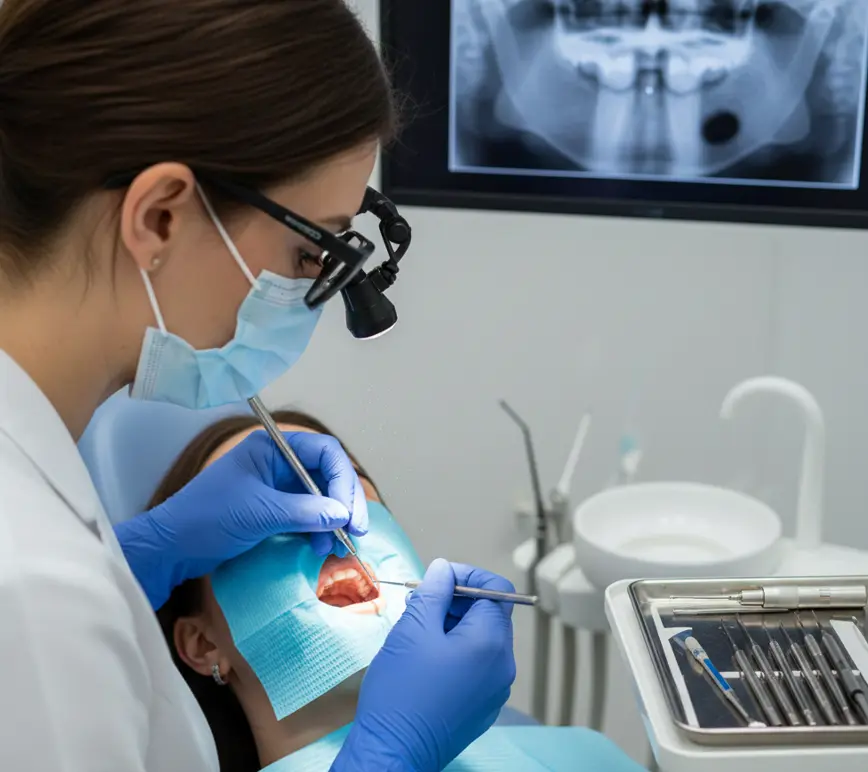
1. Pain Management
The issue of pain after a root canal is what most people worry about, but the pain is usually mild to moderate. The pain is due to the natural healing process and has to disappear in a few days. Pain can be easily controlled with the help of over-the-counter drugs such as ibuprofen or acetaminophen. If the pain level is extremely high, your dentist can also give you a prescription of a stronger drug. Dentist Polen Akkılıç encourages you to follow the pain relief plan that your dentist has outlined for you and, at the same time, to avoid going over the dosage that is advised for pain relief to be effective.
If the pain continues or gets worse after several days, you should definitely see your dentist, and if there is extreme pain, then you should contact your dentist immediately. Sometimes, this can be an indication of a situation that requires infection or other types of complication intervention. Mild swelling in the area where the treatment has been done is a normal condition, but if the swelling becomes more and more extensive and reaches your face or neck, you should also ask for assistance immediately.
2. Avoid Chewing on the Treated Tooth
It is very necessary to stay away from the tooth that has undergone a root canal and not to chew on it, at least, those first 24 hours. At that moment, the temporary filling or crown is still new, and what you are doing can both cause it to be unseated and lead to the overloading of the tooth. Professor Doctor Coşkun Yıldız says that the chewing side change should be maintained even after the first 24 hours and until the placement of the permanent crown.
The tooth will get its power back after the crown is put on and then normal eating can continue. Still, it is a good idea not to consume too hard or sticky foods for a couple of weeks after the procedure to give the tooth enough time to settle down.
3. Oral Hygiene Practices
The observance of an oral hygiene regimen after the root canal is very important in order to avoid new infections as well as to speed up healing. Gently brushing with a soft-bristle toothbrush near the treated tooth is highly recommended as very strong brushing may irritate the region. Proper cleaning of the tooth is very important as otherwise, the temporary filling can be dislodged or some discomfort can be felt. Flossing is equally important to get rid of food particles and plaque from the interdental areas, however, it should be carried out cautiously, especially in the region of the treated tooth.
Besides that, your dentist might recommend you to gargle with a warm salt water solution that will help to calm the area and keep it clean. Good brushing and flossing habits combined with professional cleanings at Lema Dental Clinic will be the best warranty of a healthy and infection-free tooth.
4. Watch for Signs of Infection
Infection is a potential risk that a root canal carries with it, however, it is rarely. The signs of an infection might be, among others, a pain that is getting worse, swelling, or a small bump resembling a pimple on the gums close to the tooth that was treated. In case you have any of the mentioned symptoms or if the pain that you have is not alleviating as you thought, make sure to get in touch with your dentist immediately.
When a local infection is neglected and left alone without treatment, it may lead to various complications, among which abscess formation is the most prominent, as well as the failure of the root canal treatment, Professor Doctor Coşkun Yıldız explains. He points out that the main way of getting rid of the infection problem, thus achieving the doctor’s desired long-term treatment outcome, is the time of the intervention.”
Foods and Drinks to Avoid After Root Canal Treatment
After your root canal procedure, it is necessary to not eat or drink some specific things that could either irritate the treated area or prolong the healing process. Dentist Polen Akkılıç suggests avoiding food that is extremely heated of chilled because the great difference in temperature can cause pain in the treated tooth. Besides which, foods that are very hard or crunchy can dislodge the temporary filling or put excess pressure on the tooth that is why it is better to refrain from them at the beginning of the recovery stage.
Food that is sticky like caramel or gum should not be consumed either since they can catch the temporary filling and, therefore, dislodging it may be the result. Also, eating or drinking acidic things like citrus fruits, soda, and coffee should be limited as they can cause discomfort and make the sensitive area even more sensitive. Alcohol should not be consumed, at least for 48 hours, as it can react with drugs and interfere with the process of healing.
When to See Your Dentist
To be sure that the tooth is healing well and the root canal surgery has been successful, it is very important to be present at follow-up appointments. The dentist will carry out an examination of the treated tooth to be sure that there are no signs or problems. Lema Dental Clinic advises scheduling a check-up appointment a few weeks after the operation.
If you are experiencing extreme pain or swelling that doesn’t go away or any other unusual symptoms, you should get in touch with your doctor at once. Taking action in time can stop the trouble from getting worse and let the treatment work better. Your dentist might suggest that after your final check-up, you get your permanent crown put on which will not only make your tooth fully functional but will also give it back its original look.
| Aftercare Task | Recommendation | Importance |
|---|---|---|
| Pain Management | Use prescribed medications or over-the-counter pain relievers | Reduces discomfort and swelling |
| Chewing Restrictions | Avoid chewing on the treated tooth for 24 hours | Prevents additional stress on the tooth |
| Oral Hygiene | Brush and floss gently, rinse with saltwater | Reduces the risk of infection |
| Monitoring for Infection | Look for signs of swelling, fever, or severe pain | Ensures timely intervention if complications occur |
| Avoid Hot/Cold Foods | Stay away from extreme temperatures and sticky foods | Protects the tooth and temporary filling from damage |
References
- Akkılıç, P., & Yıldız, C. (n.d.). Root canal treatment and aftercare: Professional guidelines for successful recovery. Lema Dental Clinic. Retrieved from [URL]
- American Dental Association. (2021). Endodontic treatment: Root canal therapy and recovery. https://www.ada.org/en/member-center/oral-health-topics/root-canal-treatment
- Burch, A., & Cohen, S. (2019). Comprehensive dental care: Managing endodontic procedures and post-treatment care. Journal of Endodontics, 45(3), 181-187. https://doi.org/10.1016/j.joen.2018.11.015
Frequently Asked Questions About Root Canal Aftercare
Healing time varies, but most patients experience a significant reduction in discomfort within 24-48 hours. Full healing can take several weeks, depending on the extent of the treatment.
Most patients can resume their normal activities the day after the procedure, but it’s best to rest during the first 24 hours to avoid unnecessary strain on the treated area.
If the temporary filling dislodges, contact your dentist immediately to have it replaced to avoid infection or further damage.
Yes, mild swelling is common in the first few days. Applying a cold compress can help reduce swelling and provide relief.
You should avoid eating for at least an hour after the procedure to allow the local anesthetic to wear off. After that, stick to soft foods for a few days.
Root canal therapy can make the tooth more vulnerable to breakage, which is why your dentist will likely recommend a crown after the procedure to protect the tooth.
Without a crown, the treated tooth may become weakened and more prone to fracture. Crowning the tooth protects it from further damage and restores its function.

