


Restorative dentistry is a specialty that concentrates on the repair or replacement of tissues damaged by disease, or trauma in the oral cavity. Besides restoring the functionality of the teeth, this type of dentistry also makes the teeth look better. Restorative procedures, as a result, take a patient’s ability to eat, speak, and smile without any hesitation back to the original level.
At Lema Dental Clinic, Polen Akkılıç and her team, we approach restorative dentistry with utmost care towards our patients, focusing on precision, safety, and excellent results. We provide repair solutions of the most damaged teeth made easy by our modern technologies and quality care targeted at lasting results for every patient.
Restorative Dentistry Procedures Types
Restorative dentistry includes different kinds of procedures that are aimed at treating issues in the oral cavity that may be caused by anything from cavities to loss of teeth. These are treatments such as fillings, crowns, bridges, dentures, and dental implants. The goal behind each treatment type is to bring back the strength, the functionality, and the good looks of the teeth, together with new options that fit the individual’s needs.
- Fillings: A method used to relieve teeth of pain caused by caries and to recover the broken parts of the teeth.
- Crowns: Personalized crowns set on the roots to recover the color, size, and the strength of the original tooth.
- Bridges: A method used for the restoration of the missing teeth by the support of the adjacent teeth or implants.
- Dentures: Removable artificial teeth that replace the loss of several teeth.
- Dental Implants: The ones that offer solidity and performance almost the same as natural teeth become permanent solutions to tooth loss.
These are also the necessary procedures to assure the health and beauty of your teeth, thus stopping further troubles that could endanger your oral health.
Dental Implants and Their Significance in Restorative Dentistry
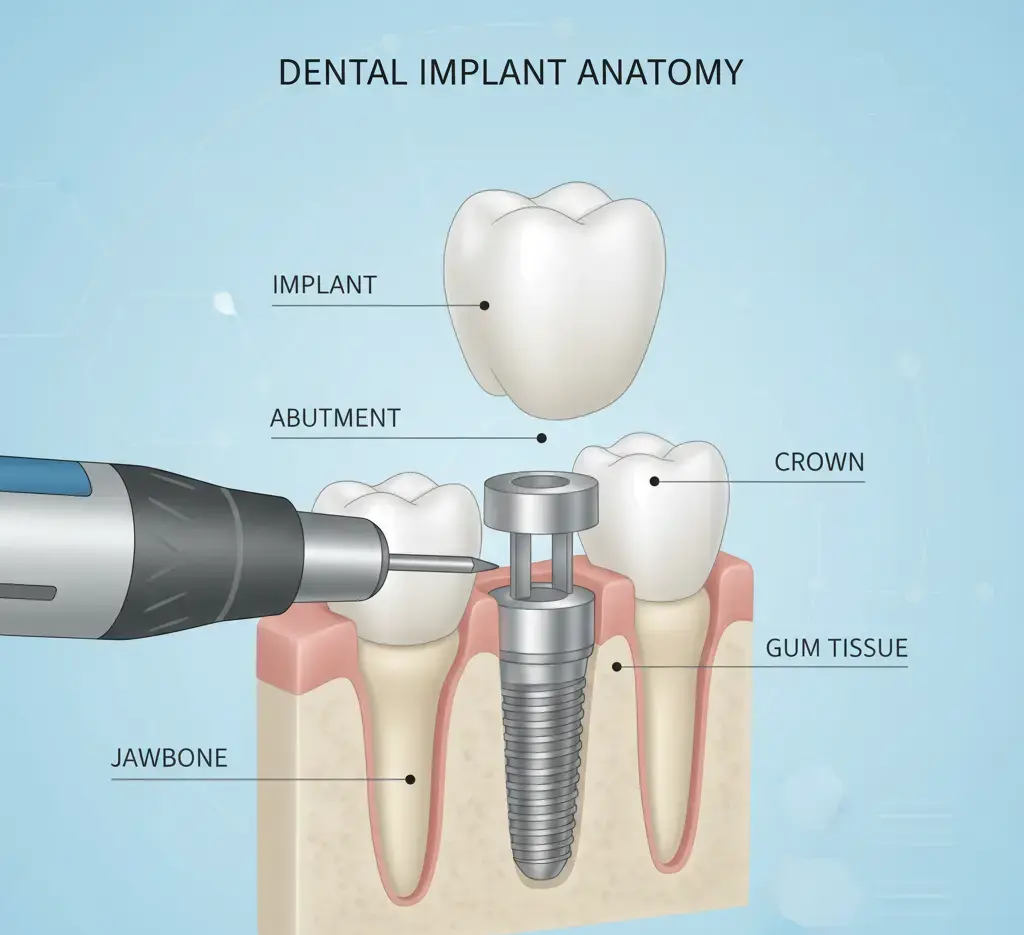
One of the most durable and efficient methods for replacing lost teeth is dental implants. The implants are titanium rods that are implanted into the jawbone through an operation, and then, through a process called osseointegration, they are welded with the bone. When the implant is firmly fixed, a tailor-made crown is attached to it, thereby function and beauty are brought back together.
In contrast to old-style dentures or bridges, implant dentistry is a permanent, natural-looking solution that improves the functions of eating, speaking, and general oral health. At Lema Dental Clinic, the implant surgeries are done with great accuracy, perfection, and patient contentment, by Professor Doctor Coşkun Yıldız and his team.
Explanation of How Crowns and Bridges Work for Tooth Restoration
Crowns and bridges are among the least invasive methods in restorative dentistry. A crown is a dental piece that covers the tooth and helps to restore the shape, size, and strength of the tooth that is damaged, whereas a bridge is a dental appliance that replaces one or several lost teeth by attaching to the adjacent healthy teeth or dental implants. Both are great ways to keep the mouth functioning and stop it from getting damaged any further.
The primary role of the materials used in the manufacture of crown and bridge is to form restorations that have the same color and texture as the natural teeth. These restorations not only facilitate oral health but also elevate the aesthetic appeal of the smile by merging perfectly with the natural teeth. We at Lema Dental Clinic offer long-lasting and top-quality crowns and bridges fabricated from substances like porcelain that almost identically imitate the natural tooth enamel.
The Significance of Good Oral Hygiene in Restorative Dentistry
Maintaining proper oral hygiene is the key to having the restorations from dental procedures last for a long time and be effective. Apart from that, it is very necessary to prevent brushing difficulties, and dental office visits, as they can lead to the infection of the restorations.
After the completion of exercises such as dental implants, crowns, or bridges, the interested person is required to abide by the care guidelines they have been instructed by Dentist Polen Akkılıç and her team. The practice involves using different oral care instruments that aid hygiene in the area surrounding implants and crowns, steering clear of consuming hard or sticky foods, and keeping up with regular appointments in order to continuously check on the condition of the restorations.
| Procedure | Description | Benefit |
|---|---|---|
| Fillings | Restores cavities and decayed teeth with composite or amalgam material. | Prevents further decay and restores tooth strength. |
| Crowns | Covers damaged or weakened teeth with a custom-made cap. | Protects teeth from further damage and improves appearance. |
| Bridges | Replaces one or more missing teeth using adjacent teeth or implants. | Restores function and prevents tooth shifting. |
| Dental Implants | Permanent replacement of missing teeth using titanium posts. | Provides a long-lasting, natural-looking solution. |
| Dentures | Removable appliance to replace multiple missing teeth. | Restores full functionality and improves smile aesthetics. |
Advantages of Restorative Dentistry for Patients
The first and foremost purpose served by restorative dentistry is the return of the normal functioning of the teeth, in addition to the prevention of further dental problems. The likes of dental implants and crowns not only enable patients to be able to chew in a proper manner, speak clearly, and smile, but also decorate their smiles.
Moreover, oral-health-education-related initiatives may be instrumental in accomplishing that goal, gradually leading to an overall improvement in the state of the mouth and the teeth. Because of their ability to deal with problems such as decay, missing teeth, or an imbalanced bite, restorative treatments will become the starting point for better oral health in general. At Lema Dental Clinic, patient-centered care conceptualized in the form of treatment plans personalized to the requirements of each individual is our mode of operation, making them get the best results possible for their oral health.
Frequently Asked Questions About Restorative Dentistry
Restorative dentistry focuses on repairing damaged or missing teeth, restoring function and appearance. It includes treatments such as fillings, crowns, bridges, and dental implants.
With proper care and regular dental visits, dental implants can last a lifetime. The crown on the implant may need to be replaced after several years due to wear.
Yes, crowns and bridges are long-lasting, permanent restorations. However, they may require replacement over time due to natural wear and tear.
A dental implant involves placing a titanium post into the jawbone, where it fuses with the bone. After the implant is secure, a custom-made crown is placed on top to restore the tooth’s function and appearance.
Yes, crowns are ideal for restoring severely damaged teeth. They fully cover the tooth to protect it from further damage and improve its appearance.
Dental bridges replace missing teeth by connecting to adjacent healthy teeth or implants. They restore chewing function, prevent adjacent teeth from shifting, and improve the appearance of the smile.
Most restorative procedures are done under local anesthesia to ensure patient comfort. Any discomfort after the procedure can typically be managed with over-the-counter pain relief.
After receiving dental implants, you should follow proper oral hygiene practices, including brushing and flossing regularly, avoiding hard foods, and attending routine check-ups at Lema Dental Clinic.
Yes, crowns and bridges are custom-made to match the color and appearance of your natural teeth, ensuring a seamless integration with your smile.

