


Powder denture adhesives usually last all day, but saliva and denture fit can affect hold.
Having dentures doesn’t have to mean fear of a slip in one’s everyday activities. Our patients come to our clinic daily with the same kind of fear: a fear that they still need to carry a whole jar of glue or the kind that they can’t afford to leave at home daily. They’re exhausted by this kind of daily grind. They get irritated by the sticky messes and bad taste of traditional adhesives. Their only desire is to be able to have a confident smile without worries.
The truth is, looking for the right adhesive is like an arduous journey. Let’s get into a little more detail about powder adhesive. It feels very clean, and patients love it. But actually, for how many hours does this powder stay really strong before you need a refresher?
How Long Does Powder Adhesive Last?
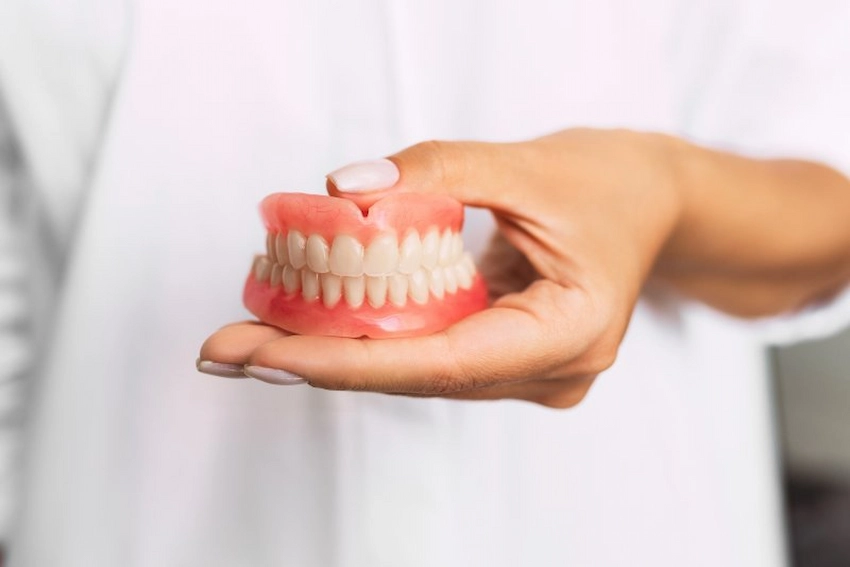
A good way to think of powder adhesive is like dry cement. If it is just in the bottle, the powder will be doing nothing. The moment it touches your saliva, though, it will get activated. The powder will swell and create a very tight grip between your gums and the hard plastic denture.
In practice,ce we observe at Lema Dental Clinic that a quality powder adhesive should do the job for about between 10 and as much as 12 hours. But, obviously, this will also be influenced by the condition of your denture; if your denture doesn’t fit right, even the best powder cannot make it stay in place the whole day.
Sometimes, if your jawbone has strong support and just the right amount of saliva, patients have the power glue that works all day. But frankly speaking, we know that is not the common scenario. The majority of patients have very good hold in the morning and even at night. Just that, if you use it in the right way, the hold will be there!
What Determines Your Hold Time?
Your mouth has its unique features and habits that will definitely affect the holding capacity. The following are some daily routines that will wear off your seal more quickly:
- Hot drinks: These can cause the powder adhesive to melt. You will hardly get a good hold, for example, if you are drinking hot tea throughout the day.
- Dry mouth/Saliva: On one end, lack of saliva stops the powder from working. On the other hand, when you have too much saliva, it may carry the powder away before sealing.
- Denture Fit: Power can make the well-fitting denture even better. But if it doesn’t fit well, you are out of luck.
Comparison of Products
Let us see what we are dealing with when patients test out different products:
| Adhesive Type | Average Hold | Best For | The Big Drawback |
| Powder | 10 to 12 hours | Dentures that fit well and are easy to clean without heavy brushing. | Hot liquids will wash it away quickly and easily. |
| Paste/Cream | 12 to 24 hours | Dentures with large gaps which need to be filled. | Not easy to clean, can cause injury to the gum soft tissues. |
| Strips | 8 to 12 hours | Camping & traveling. It’s a mess-free alternative. | Expensive and they don’t bend to match the shape of one’s gums. |
The Lema Dental Clinic Point Of View
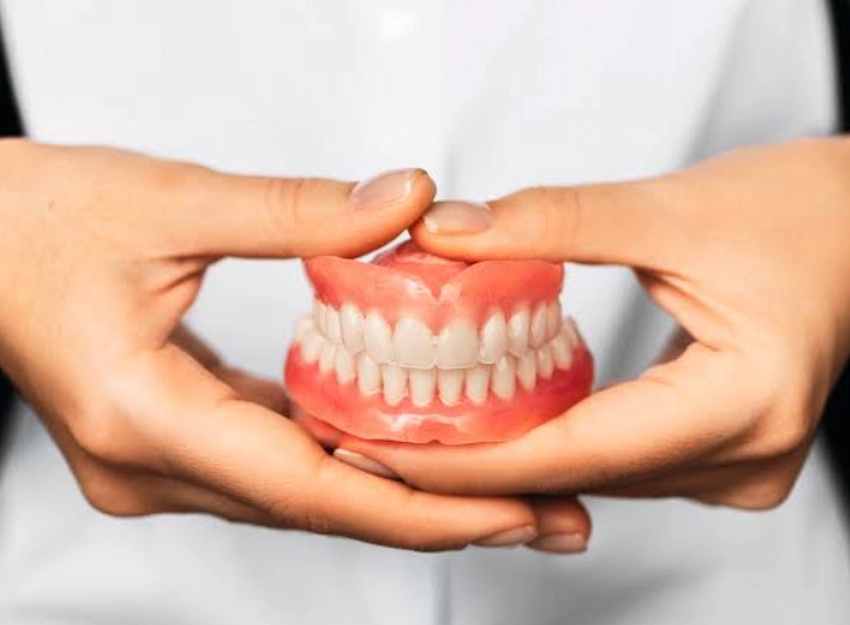
Is there really a need for an adhesive? Let me quote the words of Professor Doctor Coşkun Yıldız on this. According to him, it is not a good sign if you need to rely heavily on adhesive, and in fact, bone loss is most probably the reason for it. Just as a house’s basement shrinks, so does your jawbone shrink when your teeth naturally disappear. A very well-fitting denture you had five years ago is simply a piece of loose plastic in your mouth today.
Patients from different countries flying over to Turkey have become a normal thing at Dentist Polen Akkılıç’s dental clinic. Their main concern is being stuck with their messy,y powdery dental adhesives. What they want, on the other hand, is a permanent solution that doesn’t involve having to rely on any type of glue all the time. So what do they do? They go for a procedure known as ‘Implant-supported Teeth’, for example ‘All-on-4’ implants. What the latter does is provide a root foundation similar to natural teeth. As a matter of fact, the bone loss is stopped, ed and your teeth are locked in a secure place forever. No more glues needed from the next day onwards!
We are not saying that this is the perfect choice for everyone right away.
However, powder remains an excellent daily aid if implant surgery is not yet in your plans. Just make sure that your dentures are not in such bad condition that they may fall apart.
Ask a dentist: 5 Most FAQs.
Is it possible to use the powder several times a day?
My advice is always the same: if you need to reapply powder by lunchtime, your denture simply does not fit. A single, light application in the morning is all you need. Layering fresh powder over old residue just creates a sticky, unhygienic mess. Skip the frustrating temporary fixes and visit us for a real solution—whether that is a reline, a new denture, or permanent dental implants.
Will drinking hot coffee ruin the bond?
Yes, it does! Hot drinks, as you might guess, can quickly melt the adhesive that holds teeth together, much more quickly and efficiently than cold water alone. Therefore, your 12 hours of perfect stability might only be 8 hours of perfection instead. If that is how you take it, I suggest you enjoy your coffee together with your meal.
In my opinion, is powder adhesive really superior to creamy adhesives?
Yes, I think powder adhesive does offer a more natural-sealing feeling that is thin as well. However, for patients whose denture fits perfectly but who may need something to give them a little more comfort and assurance, I think both types are suitable. Creamy paste, on the other hand, is like a very strong glue that can also fill big gaps, but it is very difficult to get rid of and can cause irritation on the surface of the gum tissue.
How do I get rid of powder stuck to my gums?
Gentleness goes a long way. The tissue of the gums is like the membranes in the eggshell. You have no reason to press hard. It’ll work fine. So, after removing your dentures, start by rinsing your mouth with some warm salt water to get the powder loose. Once the powder has come loose, you may use a baby toothbrush with a soft bristle to give your skin a gentle wipe-off.
Will I need more powder as I get older?
I’m afraid, yes. Over the years, the jawbone is going to reduce, and the space between your teeth and gums is going to widen. The only time when you are using a heavy load on the powder, just to speak correctly, is when a change is needed. Either you get a reline for your denture, new ones, or implants will be the best solutions for you.
Academic References
- Coates, A. J. (2000). Usage of denture adhesives by complete denture patients: A survey. Journal of Dentistry, 28(4), 267-271.
- Felton, D., Cooper, L., Duqum, I., Minsley, G., Guckes, A., Haug, S., … & Houston, U. (2011). Evidence-based guidelines for the care and maintenance of complete dentures: A publication of the American College of Prosthodontists. Journal of Prosthodontics, 20(s1), S1-S12.
- Grasso, J. E. (2004). Denture adhesives: changing attitudes. The Journal of the American Dental Association, 135(1), 81-86.
- Polyzois, G. L., de Baat, C., & Blanco-Dalmau, L. (1995). Medical device regulatory requirements for denture adhesives. The Journal of Prosthetic Dentistry, 74(6), 614-618.
- Zarb, G. A., Hobkirk, J. A., Eckert, S., & Jacob, R. (2012). Prosthodontic treatment for edentulous patients: Complete dentures and implant-supported prostheses (13th ed.). Elsevier Mosby.

