

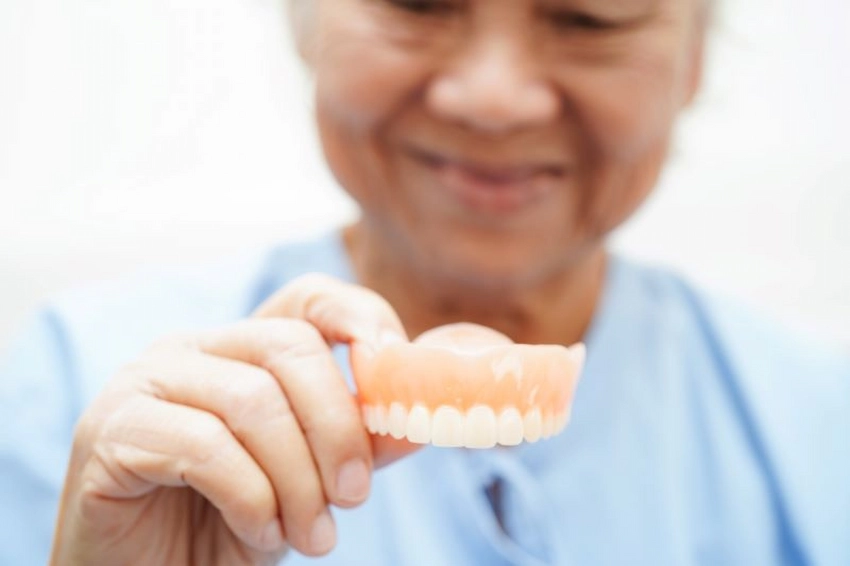
Haftpulver für Zahnprothesen: Wie lange halten sie?
Haftpulver für Zahnprothesen hält in der Regel den ganzen Tag, aber Speichel und der Sitz der Prothese können den Halt beeinflussen.
Zahnprothesen zu tragen muss nicht bedeuten, Angst vor einem Verrutschen im Alltag zu haben. Unsere Patienten kommen täglich mit der gleichen Angst in unsere Klinik: der Angst, dass sie immer noch ein ganzes Glas Kleber mit sich herumtragen müssen oder einen, den sie täglich nicht zu Hause lassen können. Sie sind erschöpft von dieser Art des täglichen Kampfes. Sie ärgern sich über die klebrigen Rückstände und den schlechten Geschmack von traditionelle Klebstoffe.. Ihr einziger Wunsch ist es, ein selbstbewusstes Lächeln ohne Sorgen zu haben. Die Wahrheit ist, die Suche nach dem richtigen Haftmittel gleicht einer mühsamen Reise. Lassen Sie uns etwas genauer auf Haftpulver eingehen. Es fühlt sich sehr sauber an, und Patienten lieben es. Aber wie viele Stunden bleibt dieses Pulver tatsächlich stark, bevor Sie eine Auffrischung benötigen?Wie lange hält Haftpulver?
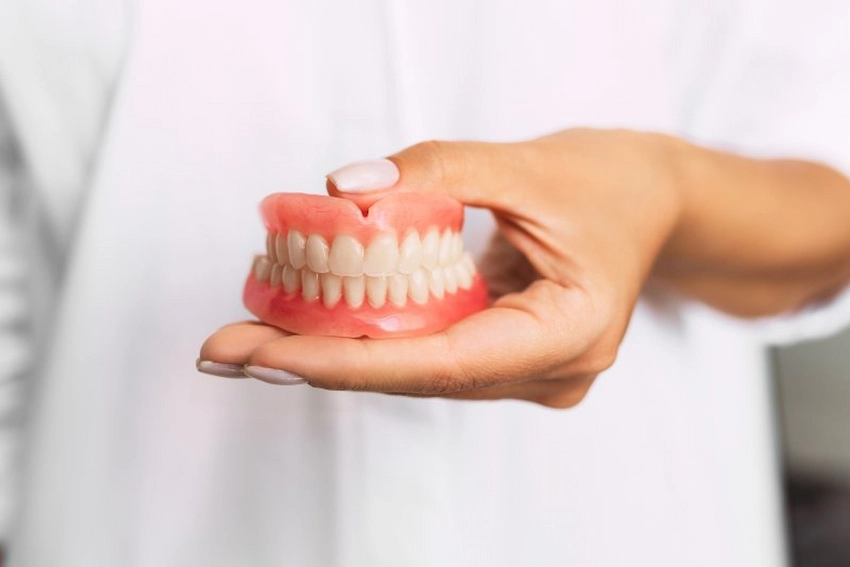
Was bestimmt Ihre Haltezeit?
Ihr Mund hat seine einzigartigen Merkmale und Gewohnheiten, die die Haltekapazität definitiv beeinflussen werden. Im Folgenden sind einige tägliche Routinen aufgeführt, die Ihre Haftung schneller auflösen werden:- Heiße Getränke: Diese können dazu führen, dass das Haftpulver schmilzt. Sie werden kaum einen guten Halt bekommen, wenn Sie zum Beispiel den ganzen Tag heißen Tee trinken.
- Trockener Mund/Speichel: Einerseits verhindert Speichelmangel, dass das Pulver wirkt. Andererseits, wenn Sie zu viel Speichel haben, kann dieser das Pulver wegspülen, bevor es haftet.
- Prothesenpassform: Pulver kann die gut sitzende Prothese noch besser machen. Aber wenn sie nicht gut sitzt, haben Sie Pech.
Produktvergleich
Sehen wir uns an, womit wir es zu tun haben, wenn Patienten verschiedene Produkte testen:| Haftmitteltyp | Durchschnittlicher Halt | Am besten geeignet für | Der größte Nachteil |
| Pulver | 10 bis 12 Stunden | Gut sitzende Prothesen, die ohne starkes Bürsten leicht zu reinigen sind. | Heiße Flüssigkeiten spülen es schnell und leicht weg. |
| Paste/Creme | 12 bis 24 Stunden | Prothesen mit großen Lücken, die gefüllt werden müssen. | Nicht leicht zu reinigen, kann Verletzungen des Zahnfleischgewebes verursachen. |
| Streifen | 8 bis 12 Stunden | Camping & Reisen. Eine saubere Alternative. | Teuer und sie passen sich nicht der Form des Zahnfleisches an. |
Die Sichtweise der Lema Dental Clinic
Fragen Sie einen Zahnarzt: Die 5 häufigsten Fragen.
Akademische Referenzen
- Coates, A. J. (2000). Usage of denture adhesives by complete denture patients: A survey. Journal of Dentistry, 28(4), 267-271.
- Felton, D., Cooper, L., Duqum, I., Minsley, G., Guckes, A., Haug, S., ... & Houston, U. (2011). Evidence-based guidelines for the care and maintenance of complete dentures: A publication of the American College of Prosthodontists. Journal of Prosthodontics, 20(s1), S1-S12.
- Grasso, J. E. (2004). Denture adhesives: changing attitudes. The Journal of the American Dental Association, 135(1), 81-86.
- Polyzois, G. L., de Baat, C., & Blanco-Dalmau, L. (1995). Medical device regulatory requirements for denture adhesives. The Journal of Prosthetic Dentistry, 74(6), 614-618.
- Zarb, G. A., Hobkirk, J. A., Eckert, S., & Jacob, R. (2012). Prosthodontic treatment for edentulous patients: Complete dentures and implant-supported prostheses (13th ed.). Elsevier Mosby.
Häufige Fragen
Is it possible to use the powder several times a day?
Whenever a patient comes to me with a question of this kind, I always give the same advice: “If you feel like you’ve dried off a portion around lunchtime, the only thing it means is your denture is not properly fitted and doesn’t come into close contact with your gum tissue. One single light application in the morning suffices, because it is very difficult to achieve a good clean with the use of multiple applications at short intervals if one of the powders used at a previous time was not yet washed of the mouth by mouth rinsing, and this can create a kind of sticky and hard-to-clean powder layer that could even be quite difficult to get rid of without a toothpick." Rather than a temporary solution, one may also visit us for a denture realignment or replacement. In fact, we may even help one to get dental implants as a last resort. So, don’t hesitate to come to us for the real, effective solutions.
Will drinking hot coffee ruin the bond?
Yes, it does! Hot drinks, as you might guess, can quickly melt the adhesive that holds teeth together, much more quickly and efficiently than cold water alone. Therefore, your 12 hours of perfect stability might only be 8 hours of perfection instead. If that is how you take it, I suggest you enjoy your coffee together with your meal.
In my opinion, is powder adhesive really superior to creamy adhesives?
Yes, I think powder adhesive does offer a more natural-sealing feeling that is thin as well. However, for patients whose denture fits perfectly but who may need something to give them a little more comfort and assurance, I think both types are suitable. Creamy paste, on the other hand, is like a very strong glue that can also fill big gaps, but it is very difficult to get rid of and can cause irritation on the surface of the gum tissue.
How do I get rid of powder stuck to my gums?
Gentleness goes a long way. The tissue of the gums is like the membranes in the eggshell. You have no reason to press hard. It'll work fine. So, after removing your dentures, start by rinsing your mouth with some warm salt water to get the powder loose. Once the powder has come loose, you may use a baby toothbrush with a soft bristle to give your skin a gentle wipe-off.
Will I need more powder as I get older?
I’m afraid, yes. Over the years, the jawbone is going to reduce, and the space between your teeth and gums is going to widen. The only time when you are using a heavy load on the powder, just to speak correctly, is when a change is needed. Either you get a reline for your denture, new ones, or implants will be the best solutions for you.