


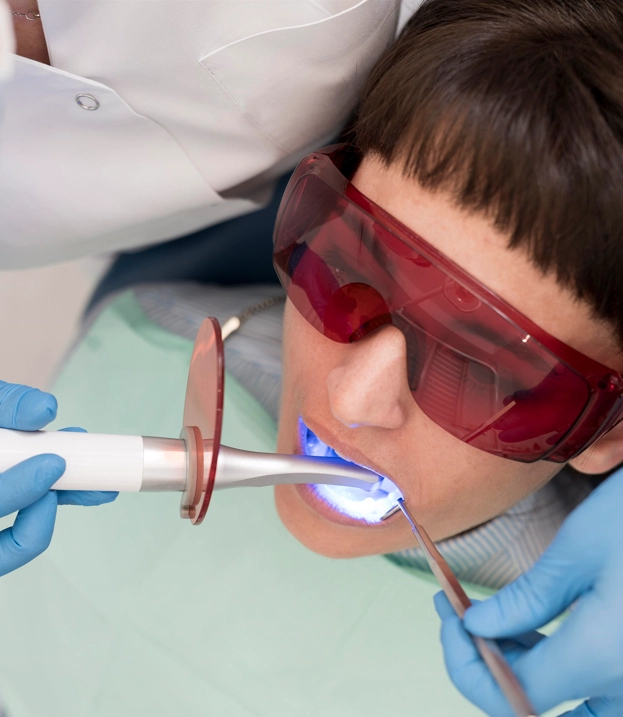
The use of ozone therapy for teeth is a highly innovative dental solution that is on the verge of revolutionizing the entire field of contemporary dentistry. To be specific, ozone therapy is a form of treatment that utilizes the outstanding natural healing characteristics of ozone for oral health enhancement and diverse dental conditions, including cavities, gum diseases, and sensitivity, which have all been established to improve with this methodology.
This article aims to shed light on the effectiveness of ozone therapy as a highly beneficial treatment for dental issues while discussing the particulars about its benefits, as well as the mechanisms behind it, and outlining the credo that it may well be the ultimate dental care of tomorrow.
What Is Ozone Therapy for Teeth?
In a nutshell, ozone therapy for teeth is the proper application of the ozone gas’s superlative oxidizing properties in the treatment of various tooth-related conditions. The use of ozone is relatively new, as it is an unusually high-energy version of oxygen that can eradicate a wide range of harmful microbes and quicken tissue healing. Ozone therapy aims to deliver the electromagnetic energy required to focus on the injured regions of teeth or gums, permitting the ozone to eliminate rot and decay while not affecting the surrounding healthy areas.
How Does Ozone Therapy Work?

Ozone treatment entails the introduction of ozone gas into contaminated or dysfunctional areas of the mouth in a clinical setting. The administration of a finely machined dispensary unit enables the gas to be channeled to a specific area, such as a cavitated tooth or an infected gum. Ozone has a great interaction with the various kinds of microorganisms, from bacteria to viruses to fungi.
This application attacks the range of causative agents and thus retards their action. At the same time, it’s worth noting that ozone therapy has the additional benefits of stimulating the metabolism of the human body’s cells and consequently initiating active tissue regeneration.
Benefits of Ozone Therapy for Teeth
- Natural and Non-Invasive: As noted, one of the advantageous features of ozone therapy is the high degree of efficacy that it exhibits to be a non-invasive approach to dental treatment as opposed to more conventional ways that are not only more demanding but sometimes even painful. For those people who are averse to undergoing the ordeal of exposure to drills or other invasive dental devices, ozone therapy shines as a great solution that directly tackles the dentinal problem while at the same time being associated with a very low degree of discomfort.
- Highly Effective: This is another important characteristic of ozone therapy that makes it so effective, and it functions as a simple all-in-one solution. Ozone therapy may be used for the treatment of tooth decay, cavities, dentinal sensitivity, and gum diseases, as well as for the disinfection of the mouth. Besides, the ozone is hard and/or identified as resistant by more than 99 percent of the bacteria that cause other dental diseases, even in the deeper hard-to-reach zones of the dental arches, and there is an endless hope of getting the sworn enemy or enemy out of the body.
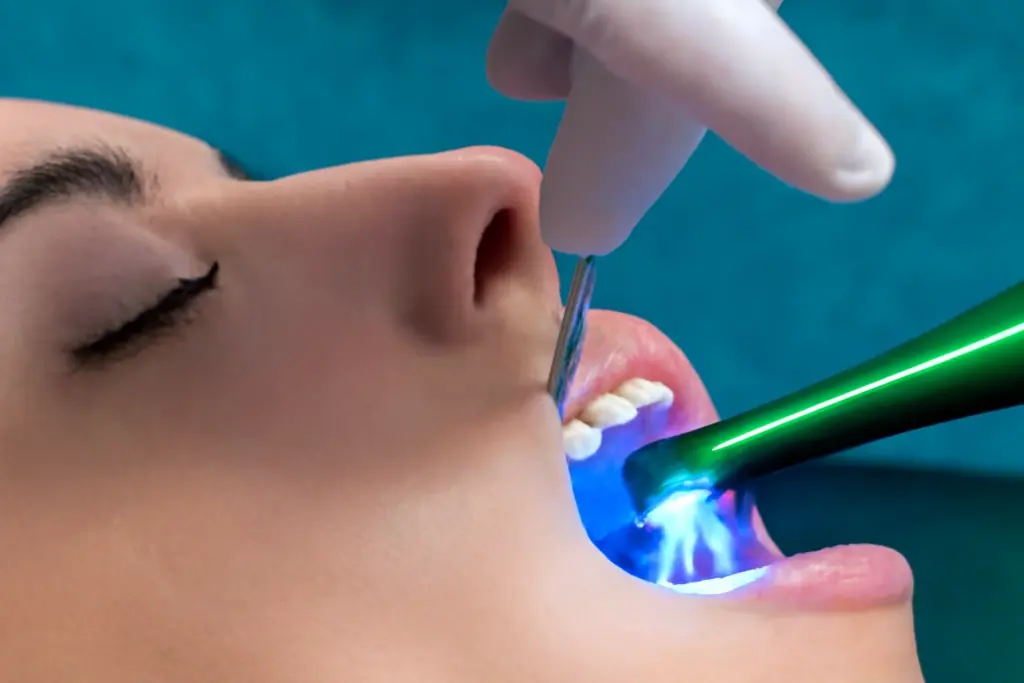
- Advantages of this Treatment Are Safe and Eco-Friendly: Ozone treatment is an eco-friendly derivative from an immutable natural element, ozone. The procedure can be undertaken in completely sterile surroundings devoid of any drugs and natural chemicals. What is more, Ozone therapy is safe in patients with good oral conditions.
- Pain Reduction: Ozone therapy can also help all those patients suffering from pain, thus bringing immediate relief to them. It can be used to alleviate discomfort caused by sensitive teeth or other dental issues, which cause patients to feel uncomfortable in the mouth, causing them distress.
- Improved Healing: Ozone is an effective aid in repairing damaged tissues by triggering the body’s self-repairing process. Ozone is an excellent agent that has been shown to heal gum disease and any type of infection, and beyond improving healing, ozone therapy does not have any quick recovery improvement. Besides enhancing healing, ozone also serves as a good remedy for dental infections and oral conditions.
- No Side Effects: In spite of the many benefits owing to ozone therapy, there are no known adverse side effects that an individual using this treatment medium may encounter. Whether taking the normal medicine prescribed while using ozone therapy or undergoing such a procedure, there would not be any adverse reactions; ozone is usually safe when even more patients and in experienced hands.
Applications of Ozone Therapy in Dentistry
- Cavity Treatment: Ozone can easily treat cavities at their initial stage by killing the bacteria and preventing further decay of the teeth. Another important property of ozone is the ability to manage or heal decay or cavities by targeting the live Ebola trees that cause tooth sensitivity, and the loss of teeth, among other issues associated with the teeth.
- Gum Disease: Through the application of ozone, it helps to kill bacteria causing inflammation in the infected tissues, thus promoting healing in the afflicted areas. Gum diseases are one of the most common problems faced by people, making them seek the necessary help, hence the importance of ozone therapy in this condition and other methods for managing periodontitis and progressive gum disease.
- Tooth Sensitivity: This is achieved through the process of causing desensitization of the nerves found in the teeth, which will thus ensure that people do not feel uncomfortable while eating cold or hot substances. People suffering from sensitive teeth would highly appreciate the possibility of using ozone therapy to ensure that they eat their favorite food while at the same time not straining their teeth to get the same.
Ozone Therapy vs. Traditional Dental Treatments
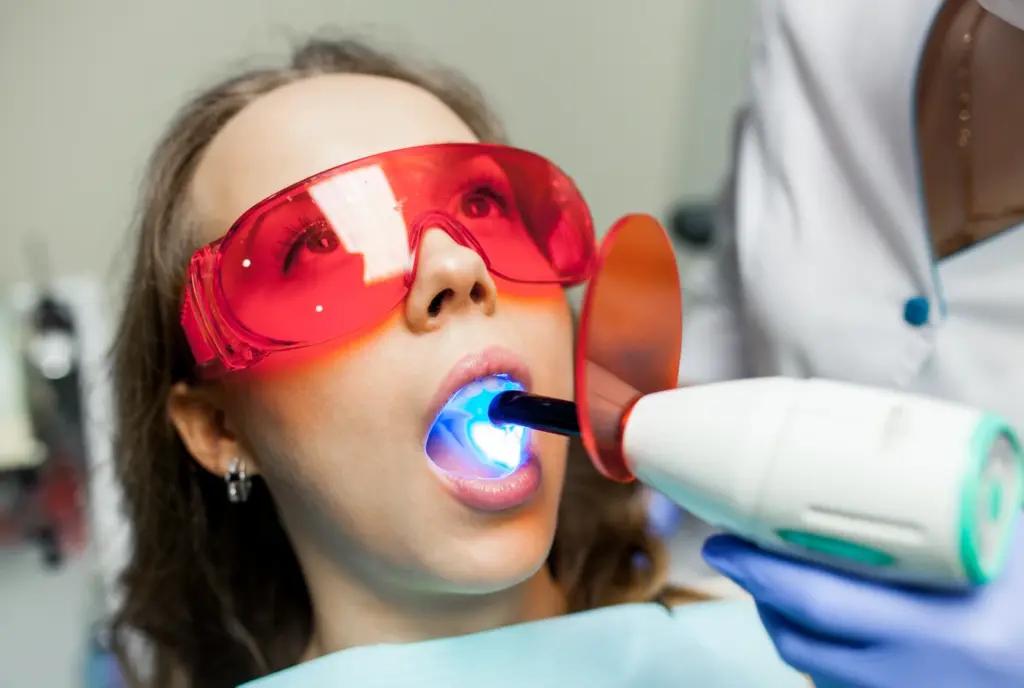
Even if fillings or canals can be used in dentistry, ozone therapy remains an alternative as a natural way of treatment. It is meant for use in the early stages of tooth decay and the treatment of gum issues to make sure they do not become too severe, enabling patients to avoid invasive techniques. As a result, with laser treatment, ozone therapy is not only safe and painless, but its suitability for a wider range of patients is effective for the patients and their dental problems.
Why Choose Ozone Therapy at Lema Dental Clinic?

At Lema Dental Clinic, we are among the pioneers of ozone treatment for teeth, as part of our adopted stunning dental approach. Our skilled personnel are dedicated to providing unique, effective, and painless techniques that will emphasize your comfort level and the overall well-being of your teeth in the long run.
We take time and effort to make sure that our therapy sessions are pain-free and comfortable, and do not instill anxiety or worries in the patients. We desire our patients to have confidence in receiving dental comfort treatments and positive health results, as well as mental peace knowing that they have made a wise decision in their oral health.
FAQs about Ozone Therapy for Teeth
Yes, ozone therapy is a safe and non-invasive treatment that has been used in dentistry for many years without causing harm to the teeth or surrounding tissues.
Ozone therapy is often used in the early stages of tooth decay, but it may not always replace the need for fillings in more advanced cases. It is most effective when used as a preventive measure.
Ozone therapy can help improve the overall appearance of teeth by killing bacteria and promoting healthier gums, but it is not specifically designed for teeth whitening. For whitening, treatments like bleaching or professional whitening procedures are more effective.
No, ozone therapy is typically pain-free. It’s a non-invasive procedure that doesn’t require drilling or injections, making it a comfortable option for patients.
The results of ozone therapy can vary depending on the individual’s oral health and how well they maintain their dental hygiene. It can provide long-term benefits if combined with proper dental care.
While ozone therapy is safe for most patients, individuals with specific health conditions should consult their dentist to ensure the treatment is appropriate for them. Pregnant women and those with severe respiratory conditions should exercise caution.
Typically, ozone therapy can be completed in a single session, though your dentist may recommend follow-up treatments depending on your dental condition.
