


Ozempic (semaglutide) is among the list of top medications used to control Type 2 diabetes and for weight loss purposes. In brief, the drug is perfect for the general well-being of the patient, but some of them have particularly reported their oral health, the potential Ozempic teeth side effects that is, involving the teeth and gums. As a result, being aware of these side effects will enable patients to be healthy whilst taking Ozempic.
What Are Ozempic Teeth Side Effects?
Ozempic teeth side effects are a series of changes in the health of the mouth that come with the use of semaglutide. Normally, the patients report the following:
- Dry mouth (xerostomia) whereby the amount of saliva is so low that the enamel protective function is no longer carried out by the saliva.
- The possibility of caries production and an irritation of gums due to the decrease of the secretion of saliva.
- Sometimes tooth sensitivity is mentioned which is basically enamel weakening or food habit changes that are related to Ozempic use.
Even if these side effects are not prevalent among all the patients, knowing about them gives you the opportunity to take the necessary steps to protect your oral health.
Mechanism Behind Ozempic Teeth Side Effects
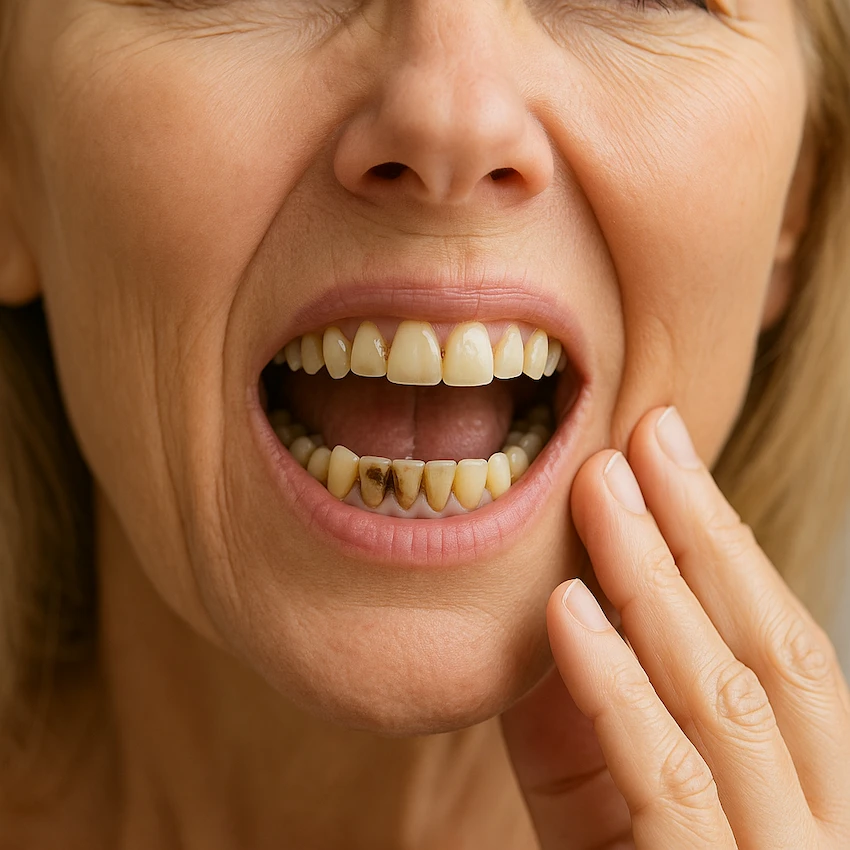
One of the leading causes of the Ozempic teeth side effects is the lack of moisture in the mouth. The saliva that we produce acts as a neutralizer for the acids and also removes the food particles; if the production of saliva is compromised, the resulting higher acidity levels in the oral cavity can contribute to:
- The slow removal of enamel that serves as a protective layer for teeth.
- The chance of tooth decay or cavities is also increased.
- Gum soreness or slight sensitivity caused by acidity may also be a part of the symptoms.
Furthermore, diet or food habit changes while on Ozempic such as sugar intake reduction or changing meal timing could influence oral comfort and sensitivity for a short time.
How to Protect Your Teeth While Using Ozempic?
However, bright and strong teeth can still be achieved even with the Ozempic teeth side effects by implementing the following steps:
- Hydrate Regularly: Water is the perfect remedy for dry mouth and it should be drunk throughout the day.
- Use Fluoride Toothpaste: Cavities are the main cause of enamel will be the reason as well.
- Brush and Floss Consistently: The twice a day brushing and daily flossing not only get rid of the plaque but also help with gum irritation.
- Chewing Sugar-Free Gum: The oral moisture is retained as saliva is produced.
- Dental Checkups: Be sure to visit the dentist twice a year to assess the health of the mouth and identify latent problems.
Symptoms to Watch for With Ozempic Teeth Side Effects
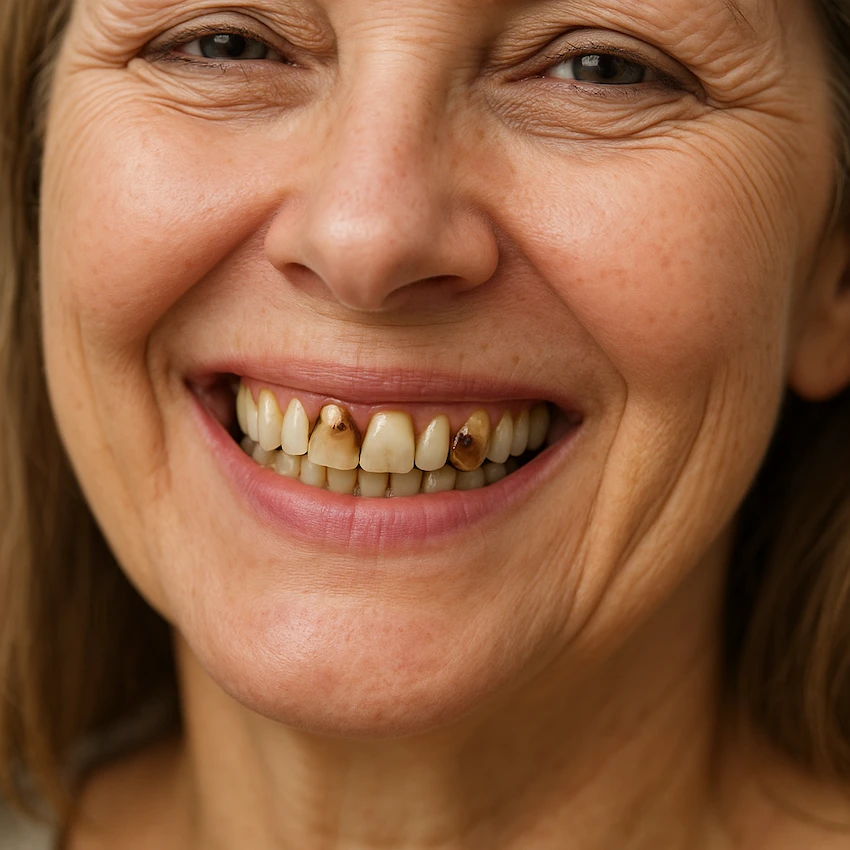
See your dentist if you experience these symptoms:
- The mouth always feels dry or the saliva is sticky.
- The teeth are more sensitive to hot, cold, or sour foods.
- On dental caries surfaces are observed at a rapid rate along with enamel wearing away.
- Extreme bleeding, redness, or irritation of the gums without the possibility of overbrushing.
- Minimizing the symptoms of Ozempic teeth side effects affecting the teeth by preventing oral health problems at an early stage that would last for a long time.
Lifestyle Tips to Minimize Ozempic Teeth Side Effects
Proper oral hygiene is a must and lifestyle habits can also help the mouth when you take Ozempic. A diet rich in calcium and phosphorus is good for the remineralization of the enamel, while the consumption of acid and sugar-neutral foods lowers the risk of cavities.
If the room is humidified during the night, the user of the humidifier can receive relief from the dry mouth and the avoidance of alcohol and caffeine, though in moderation, can aid in the secretion of saliva. The combination of these routines with regular dental care will give patients the possibility to have the Ozempic treatment without any oral health compromise.
FAQs About Ozempic Teeth Side Effects
Ozempic is not the one that destroys your teeth by the chemical way, but this medicine can cause a dry mouth which leads to decay in the long run.
Firstly, Keep oral hygiene properly, soak your mouth with water to stay hydrated, apply fluoride toothpaste to your teeth and have dental checkups on a regular basis.
No, the majority of sensitivity are transient and can be controlled by the correct treatment and precautions.
It is strongly advised that you do not just stop taking Ozempic without the approval of your doctor. Usually, oral care is enough to control side effects.
There are patients who do not suffer from oral side effects, however, dry mouth and mild sensitivity are the most common complaints that are mentioned.
References
- Drucker, D. J., & Nauck, M. A. (2006). The incretin system: Glucagon-like peptide-1 receptor agonists and dipeptidyl peptidase-4 inhibitors in type 2 diabetes. Lancet, 368(9548), 1696–1705.
- Pratley, R. E., & Aroda, V. R. (2021). Oral health considerations during GLP-1 receptor agonist therapy. Diabetes, Obesity and Metabolism, 23(2), 435–446.
- American Dental Association. (2023). Xerostomia (Dry Mouth) and Medications.https://www.ada.org/resources/research/science-and-research-institute/oral-health-topics/xerostomia

