

Si può nuotare con l'adesivo per protesi dentarie? Una guida clinica
Sì, è possibile nuotare con l'adesivo per protesi, ma le protesi ben adattate sono più sicure e affidabili.
Le vacanze estive sono un momento di relax e svago per la maggior parte delle persone. Ma coloro che indossano protesi dentarie rimovibili, stando in acqua, si sentono a disagio perché temono che i loro denti possano cadere a un certo punto. In realtà, i portatori di protesi dentarie possono nuotare con le loro protesi, ma affidarsi solo alla colla adesiva non è del tutto sicuro, ed è necessario essere consapevoli delle insidie che comporta. Di seguito sono riportati i nostri tipici incontri in clinica quando i pazienti chiedono informazioni su come proteggere il loro sorriso durante una vacanza.Gli Effetti dell'Acqua sui Vostri Adesivi
Le Forze Coinvolte nel Nuoto con Protesi Dentarie
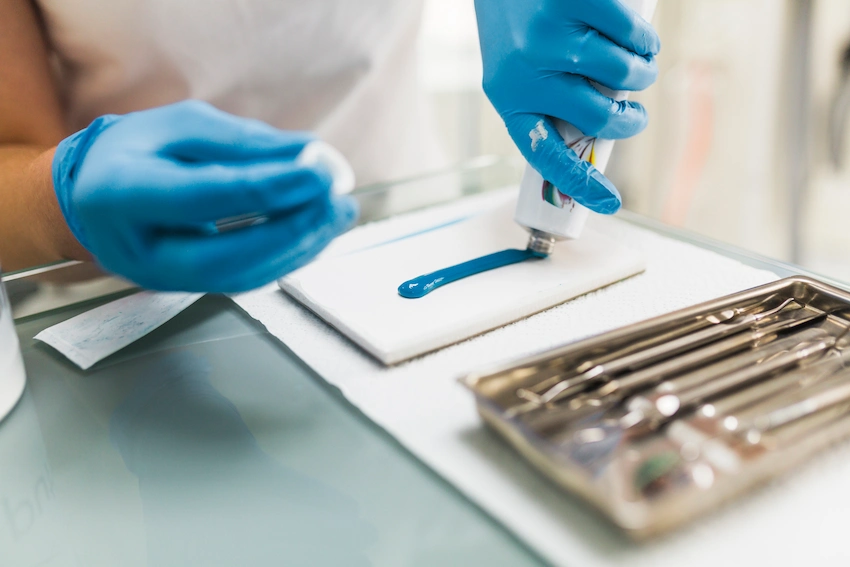
Oltre alla reazione chimica dei materiali adesivi, la fisica non dovrebbe essere trascurata. Il nuoto include, tra l'altro, movimenti bruschi, pressioni fluttuanti e schizzi inaspettati. Anche un piccolo schizzo sul viso può rompere il sigillo a ventosa che fissa il dente superiore. Nell'esperienza della nostra clinica, la Lema Dental Clinic in Turchia, abbiamo visto molti pazienti internazionali lamentarsi della perdita di protesi in mare. L'impatto emotivo su di loro può essere piuttosto significativo, a volte molto più del costo monetario di nuovi denti. La Dentista Polen Akkılıç e il suo team presso la Lema Dental Clinic pongono grande enfasi su buoni metodi di applicazione per prevenire tali incidenti.- Asciuga prima la protesi
- Applica l'adesivo solo in uno strato sottile
- Posiziona la protesi e attende almeno 15 minuti prima di tuffarsi
Voi e l'Acqua - La Vostra Decisione
Il vostro comfort durante le attività acquatiche dipende completamente dal tipo di denti che avete. L'osso mascellare sostiene i vostri denti proprio come le fondamenta di un edificio sostengono il pavimento. Se scegliete l'adesivo, è un po' come montare la vostra tenda sul terreno, quindi si sente stabile finché i venti non sono forti. Mentre gli impianti dentali sono come costruire una fortezza inespugnabile con le fondamenta nel terreno. Qui potete trovare il confronto di varie soluzioni dentali riguardo alla loro resistenza in acqua:| Soluzione Protesica | Sicurezza in Piscina | Sicurezza in Mare | Rischio di Dislocazione |
| Protesi (Senza Adesivo) | Molto Basso | Pericoloso | Estremo |
| Protesi (Con Adesivo) | Moderato (1-2 ore max) | Basso (Rischioso con le onde) | Moderato |
| Overdenture su Impianti | Alto | Alto | Molto Basso |
| Impianti Fissi (All-on-4/6) | Assoluto | Assoluto | Nullo |
Oltre l'Adesivo
Risposte alle Domande Frequenti
Riferimenti Accademici
- Al-Awadhi, S., & Al-Zaiem, F. (2018). L'effetto dei fattori ambientali sulla ritenzione delle protesi complete: Una revisione clinica. Journal of Prosthodontic Research, 62(3), 289-294.
- Grasso, J. E. (2004). Adesivi per protesi: Cambiare atteggiamenti. The Journal of the American Dental Association, 135(1), 81-86.
- Kulak-Özkan, Y., Kazazoğlu, E., & Arikan, A. (2012). Abitudini di igiene orale, pulizia delle protesi, presenza di lieviti e stomatite negli anziani. Journal of Oral Rehabilitation, 29(3), 300-304.
- Polyzois, G. L., & Lagouvardos, P. E. (2020). Proprietà fisiche e solubilità degli adesivi per protesi in ambienti acquosi. International Journal of Prosthodontics, 33(4), 412-419.
- Zhao, K., & Zhang, Q. (2019). Impatto della saliva e dell'immersione in acqua sulla forza di adesione al taglio degli adesivi commerciali per protesi. Clinical Oral Investigations, 23(8), 3345-3351.
Domande frequenti
Is it quicker that adhesive dissolves in seawater?
Normally, it is the case. Since salinity is quite high in seawater, saliva in it would break down adhesive's chemical bonds quite quickly as compared to a well-balanced and filtered pool water. So if you decide to swim in the sea, you are better off keeping your swim sessions short and carrying a tube of emergency adhesive with you to your beach bag.
Is there merit in the idea of using lots of adhesive before heading out to swim?
Don’t go there - it's a common blunder. Adding layers of adhesive is the same as putting a squishy layer of the adhesive between teeth and gum, and that is the reason why the adhesive will not be able to seal the denture and gum surfaces well. So, we are telling you to go with only three to four small, bead-size adhesive dots.
What's the remedy for a denture loosening up in the water?
Stay calm, close your mouth as soon as possible, and gently apply pressure to bite until a proper seal is restored. Then, proceed smoothly to the poolside. Opening the mouth wider or attempting to say something until one reaches dry land again should be left out.
Is snorkelling possible with denture adhesive?
We do not advocate such a kind of swimming activity. Snorkeling requires that the mouthpiece be bitten down very forcefully, and this is not only very uncomfortable but also it is possible to break the seal between the teeth and the denture if the adhesive has failed, and that situation can be life-threatening, as the denture becoming loose would be a potential source of aspiration, i.e., choking.
How can one get rid of the worry about one's teeth in water forever?
This is really our key expertise - placing titanium implants right into the bone of the lower and upper jaws so that we can permanently keep your artificial teeth securely anchored. When you decide to go for that option, you will no longer have to use adhesive, you won’t feel embarrassed about it, and of course you will be a happy swimmer whether you are in your home pool or here in Turkey.