

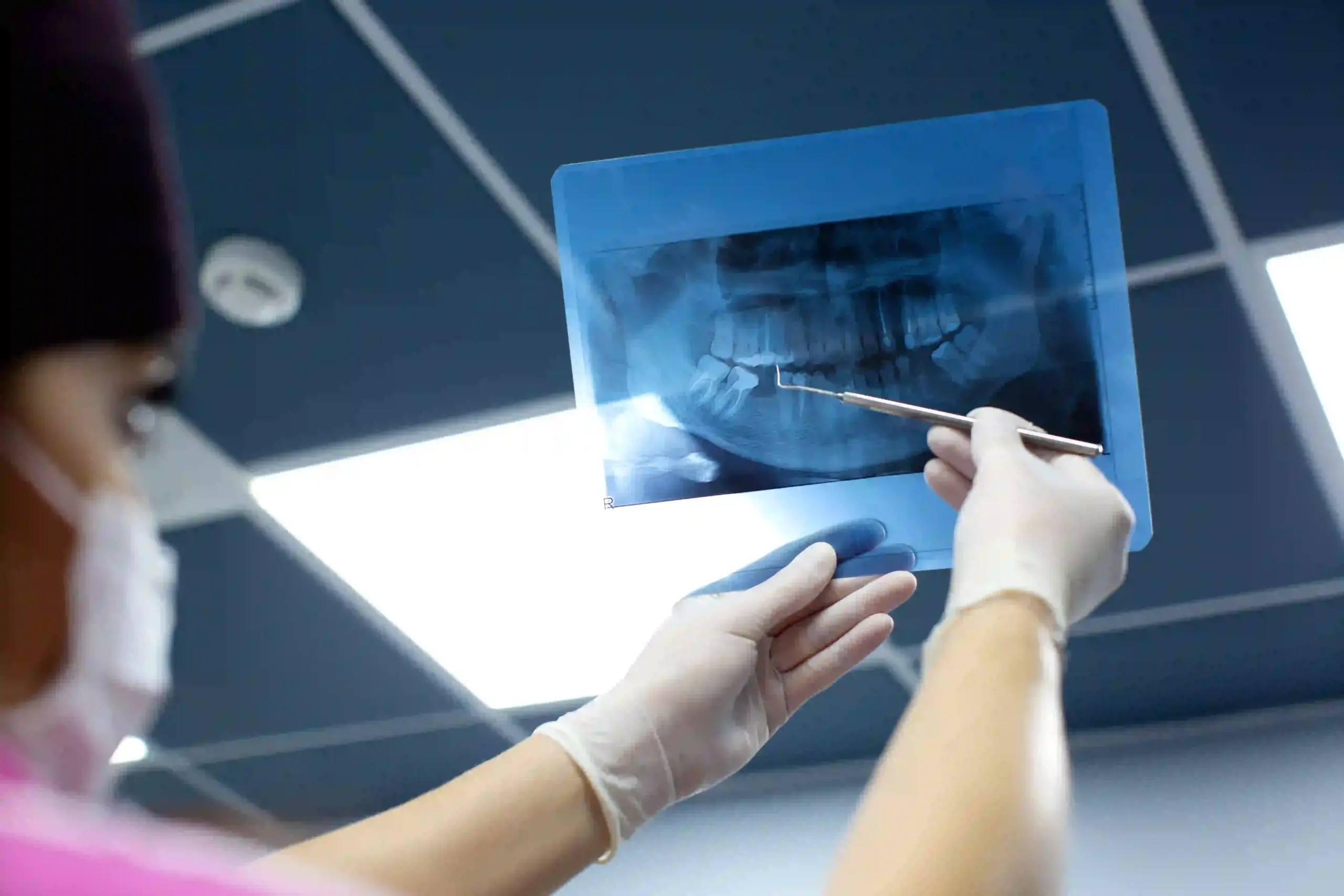
Innesto Osseo Mascellare: Ricostruisci il Sorriso
L'innesto osseo ricostruisce la mascella persa per supportare gli impianti e ripristinare il tuo sorriso.
Iniziamo con una semplice affermazione di fatto: una bella casa non durerà a lungo se costruita su sabbie mobili. I tuoi denti sono esattamente così. Quando perdi un dente, l'osso mascellare sottostante a quel dente perde anche la sua funzione. In realtà, non c'è stimolazione ossea dalla masticazione con una radice dentale, quindi quel pezzo di osso scompare letteralmente in un processo che chiamiamo riassorbimento. Questa è la causa principale per cui le persone sentono dire di non avere osso per un impianto dentale. In realtà, secondo la nostra esperienza presso la clinica dentistica Lema in Turchia, tale affermazione da parte del dentista è solitamente fuorviante. La maggior parte delle volte, può essere trattata. Con l'uso delle più avanzate tecniche di innesto osseo, aiutiamo il tuo corpo a far crescere nuovo osso e a fornire così una solida base per il tuo restauro dentale.Innesto Osseo: Perché Ne Hai Bisogno? E Come Viene Eseguito Esattamente?
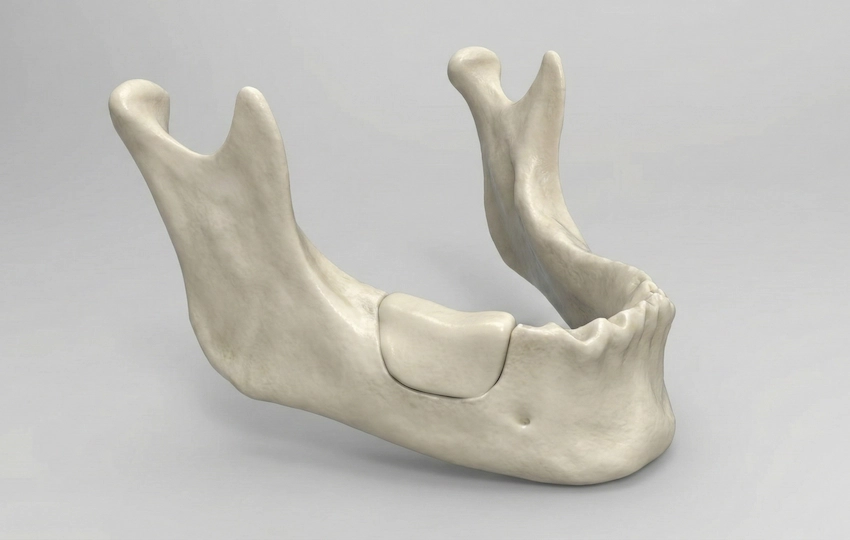
Procedura di Rialzo del Seno Mascellare
Quando si verifica la perdita ossea nella mascella superiore, l'area vicina al seno del paziente diventa molto piccola, e potrebbe persino accadere che il dente si trovi direttamente sopra la membrana del seno. Pertanto, non è più fattibile posizionare un impianto dentale convenzionale poiché potrebbe perforare la membrana. Chiamiamo tale procedura rialzo del seno mascellare (sinus lift). La tecnica è estremamente meticolosa e richiede l'uso di un tipo speciale di innesto in modo molto simile al posizionamento dell'impianto. Dobbiamo sollevare con attenzione la membrana del seno, che, se vogliamo, è delicata come un pezzo di carta.Il Nostro Piano d'Azione Clinico
Professor Dottor Coşkun Yıldız afferma spesso che la precisione e la tempistica nel campo dell'implantologia non possono essere esagerate. Se ti interroghi, scoprirai che l'unico modo per fare le cose è non cercare di accelerare i processi biologici. Insieme al nostro eccellente team di dentisti, Polen Akkılıç e altri, facciamo un ulteriore passo avanti ed eseguiamo una scansione elaborata delle ossa del paziente in modo da sapere quali aree sono nella forma migliore. Per questo eseguiamo in sicurezza una tomografia volumetrica 3D. Ci sono così tante variazioni nei tipi di esigenze dei pazienti che dobbiamo adattare la scelta del miglior innesto osseo che si adatti alla condizione di un particolare paziente durante l'intervento di implantologia. Forniamo anche ai pazienti un adesivo ad alta resistenza per mantenere le protesi temporanee in posizione mentre l'innesto guarisce. Questa colla agisce come una doppia protezione che consente ai denti temporanei di rimanere e muoversi mentre il tessuto dell'innesto rimane indisturbato e guarisce in sicurezza. Ma ciò che vogliamo principalmente che i nostri lettori imparino in questo articolo è la natura dei materiali da innesto stessi.Tipi di Innesto Osseo e Materiali
| Tipo di Innesto Osseo | La Sua Origine | Periodo di Recupero | Tipo di Difetti Ossei |
| Osso Proprio (Autoinnesto) | Dalle tue stesse ossa | Circa 3-6 mesi | Grave mancanza di osso |
| Osso Donatore (Alloinnesto) | Banca dei tessuti umani | Media 4-6 mesi | Preparazioni regolari per impianti |
| Osso Diverso (Xenoinnesto) | Fonte animale (Bovino) | Media 6-9 mesi | Riassorbimento dopo estrazione dentale e rialzi del seno |
| Materiale sintetico per innesto osseo (Alloplast) | Materiali di origine inorganica o non vivente | Varia da 4 a 9 mesi | Riparazioni di cavità ossee |
Domande Frequenti sull'Innesto Osseo
Riferimenti Accademici
- Buser, D., Sennerby, L., & De Bruyn, H. (2017). Modern implant dentistry based on osseointegration: 50 years of progress, current trends and open questions. Periodontology 2000, 73(1), 7-21.
- Misch, C. E. (2014). Dental Implant Prosthetics (2nd ed.). Elsevier Mosby.
- Wang, H. L., & Boyapati, L. (2006). "PASS" principles for predictable bone regeneration. Implant Dentistry, 15(1), 8-17.
- Troedhan, A., Kurrek, A., & Wainwright, M. (2014). Biological principles of bone graft healing. Journal of Oral and Maxillofacial Surgery, 72(12), 2411-2420.
- Esposito, M., Grusovin, M. G., Felice, P., Karatzopoulos, G., Worthington, H. V., & Coulthard, P. (2009). The efficacy of horizontal and vertical bone augmentation procedures for dental implants - a Cochrane systematic review. European Journal of Oral Implantology, 2(3), 167-184.
Domande frequenti
How painful is a bone graft?
The procedure may sound intimidating, but I should say it doesn’t hurt. We use strong topical anesthesia for the patient. In case of anxiety, we have safe sedation options for our patients. You may feel some pressure or mild inflammation afterwards, but certainly there won’t be anything sharp or very uncomfortable about it. A normal inflammation medicine suffices without needing anything stronger.
How long before I can get my dental implant?
This differs according to how quickly you heal. It is generally a period anywhere between three and six months. We want to make sure that your new bone has reached such a level of density that it can hold a titanium implant securely. It is a known fact that the titanium screw is likely to fail if the supporting bone structure is soft. You can rest assured as far as your health is concerned at any cost, and there is no way around this; we cannot compromise the quality of care to save time.
Is there a chance that I will reject the graft?
In our case, the concern expressed by many patients is really a non-issue in our work,k as there is no similarity at all with an organ transplant. A human tissue donor’s material is not living anymore after being disinfected. It is a frame of mainly calcium elements which your body is not going to object to. The tissues will be integrated within your own bone tissue,ue which is also built up on those frames.
Do I absolutely need to go through a graft before getting an implant?
Hurrah! If that is what you were waiting for, the answer to this question is No. If you do a very quick replacement for a lost tooth, there may be no problems with that bone. However, in time,e as your replacement tooth gets loose and goes away, or if you have very serious periodontitis, your bone is going to shrink as well. Therefore, a graft ensures that you will never face another problem with regards to your dentures.
Why come to the Clinic in Turkey?
At Lema Dental Clinic in Turkey, we provide first-rate surgeryand thee best equipment all at once,o with the difference being in favor of us by providing it at a much lower price. You will be relaxed and at ease while your treatment is being done, all in a very gorgeous place. Your treatment will be hands-on and very professional.