

Knochenaufbau bei Kieferknochenschwund: Ihr Lächeln wiederherstellen
Knochenaufbau rekonstruiert verlorene Kieferknochen, um Implantate zu stützen und Ihr Lächeln wiederherzustellen.
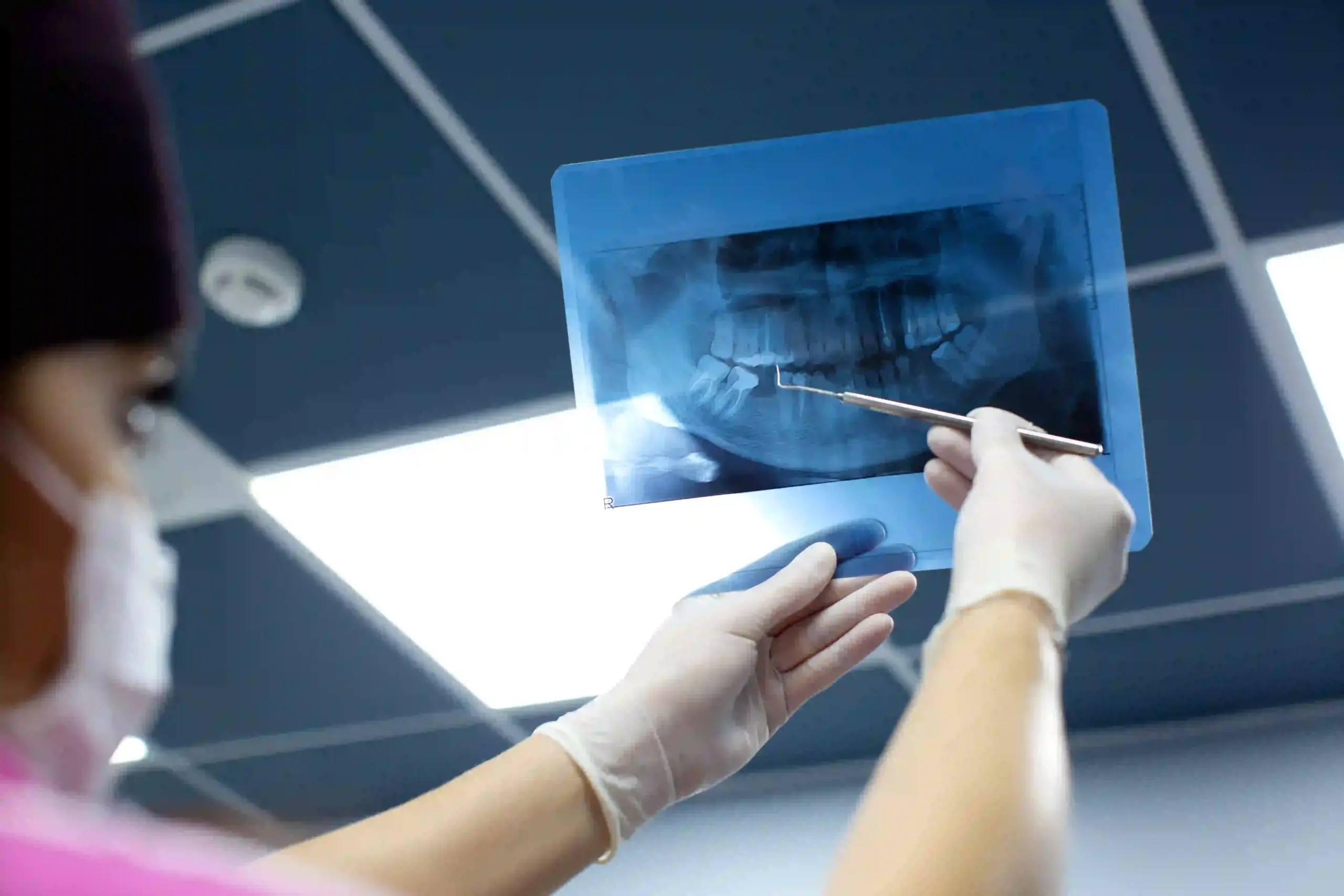
Beginnen wir mit einer einfachen, faktischen Aussage: Ein schönes Haus wird nicht lange bestehen, wenn es auf Treibsand gebaut ist. Ihre Zähne sind genauso. Wenn Sie einen Zahn verlieren, verliert der Kieferknochen unter diesem Zahn ebenfalls seine Funktion. Tatsächlich gibt es keine Knochenstimulation durch das Kauen mit einer Zahnwurzel, sodass dieser Knochenanteil buchstäblich in einem Prozess verschwindet, den wir Resorption nennen. Dies ist der Hauptgrund, warum Menschen hören, dass sie keinen Knochen für ein Zahnimplantat haben. Tatsächlich ist eine solche Aussage des Zahnarztes unserer Erfahrung nach in der Lema Zahnklinik in der Türkei meist irreführend. In den meisten Fällen kann dies behandelt werden. Mit den fortschrittlichsten Knochenaufbautechniken helfen wir Ihrem Körper, neuen Knochen zu bilden, und schaffen so eine starke Grundlage für Ihre Zahnrestauration.Knochenaufbau: Warum Sie ihn brauchen. Und wie genau wird er durchgeführt?
Sinuslift-Verfahren
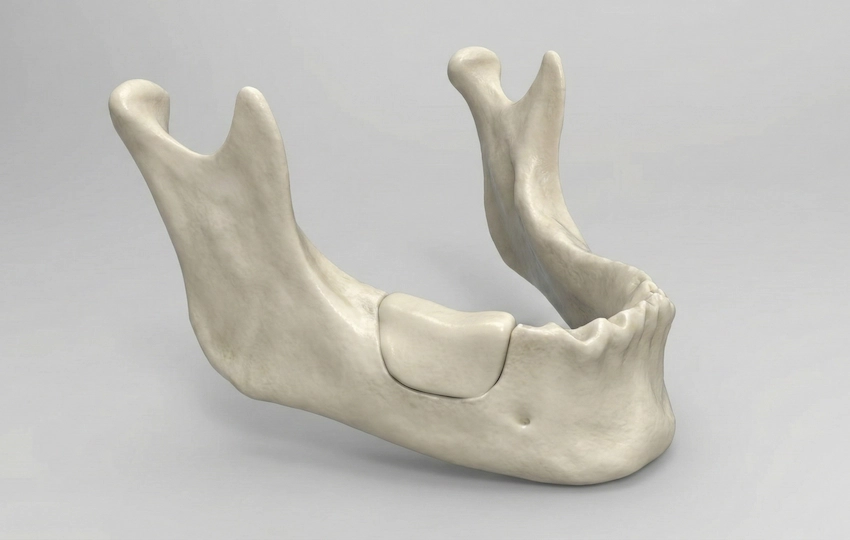
Wenn Knochenschwund im Oberkiefer auftritt, wird der Bereich nahe der Kieferhöhle des Patienten sehr klein, und es kann sogar sein, dass der Zahn direkt über der Kieferhöhlenschleimhaut liegt. Daher ist es nicht mehr möglich, ein konventionelles Zahnimplantat zu setzen, da es die Membran perforieren könnte. Ein solches Verfahren nennen wir Sinuslift. Die Technik ist äußerst akribisch und erfordert die Verwendung einer speziellen Art von Transplantat, ähnlich der Implantatsetzung. Wir müssen die Kieferhöhlenschleimhaut, die, wenn man so will, so zart wie ein Blatt Papier ist, vorsichtig anheben.Unser klinischer Aktionsplan
Professor Doktor Coşkun Yıldız betont häufig, dass Präzision und Timing im Bereich der Implantologie nicht übertrieben werden können. Wenn Sie sich selbst fragen, werden Sie feststellen, dass der einzige Weg, Dinge zu tun, darin besteht, biologische Prozesse nicht zu beschleunigen. Zusammen mit unserem großartigen Zahnärzteteam, Polen Akkılıç und anderen, gehen wir einen Schritt weiter und führen eine detaillierte Knochenuntersuchung des Patienten durch, um zu wissen, welche Bereiche in der besten Verfassung sind. Dafür führen wir sicher eine 3D-Volumentomographie durch. Es gibt so viele Variationen bei den Bedürfnissen der Patienten, dass wir die Wahl des besten Knochentransplantats, das zur jeweiligen Situation des Patienten passt, während der Implantatoperation anpassen müssen. Wir geben den Patienten auch hochfesten Klebstoff, um die provisorischen Prothesen während der Heilung des Transplantats an Ort und Stelle zu halten. Dieser Klebstoff dient als doppelter Schutz, der es den provisorischen Zähnen ermöglicht, zu sitzen und sich zu bewegen, während das Transplantatgewebe ungestört und sicher heilt. Was wir unseren Lesern in diesem Artikel jedoch hauptsächlich vermitteln möchten, ist die Beschaffenheit der Transplantatmaterialien selbst.Arten von Knochenaufbau und Materialien
| Art des Knochentransplantats | Quelle | Heilungsdauer | Art der Knochendefekte |
| Eigenknochen (Autograft) | Aus Ihren eigenen Knochen | Ca. 3 bis 6 Monate | Starker Knochenmangel |
| Spenderknochen (Allograft) | Menschliche Gewebebank | Durchschnittlich 4 bis 6 Monate | Reguläre Implantatvorbereitungen |
| Fremdknochen (Xenograft) | Tierische Quelle (Rind) | Durchschnittlich 6 bis 9 Monate | Resorption nach Zahnextraktion und Sinuslifts |
| Synthetisches Knochenersatzmaterial (Alloplast) | Materialien anorganischen oder nicht-lebenden Ursprungs | Umfasst 4 bis 9 Monate | Reparaturen von Hohlknochen |
Häufig gestellte Fragen zum Knochenaufbau
Akademische Referenzen
- Buser, D., Sennerby, L., & De Bruyn, H. (2017). Modern implant dentistry based on osseointegration: 50 years of progress, current trends and open questions. Periodontology 2000, 73(1), 7-21.
- Misch, C. E. (2014). Dental Implant Prosthetics (2nd ed.). Elsevier Mosby.
- Wang, H. L., & Boyapati, L. (2006). "PASS" principles for predictable bone regeneration. Implant Dentistry, 15(1), 8-17.
- Troedhan, A., Kurrek, A., & Wainwright, M. (2014). Biological principles of bone graft healing. Journal of Oral and Maxillofacial Surgery, 72(12), 2411-2420.
- Esposito, M., Grusovin, M. G., Felice, P., Karatzopoulos, G., Worthington, H. V., & Coulthard, P. (2009). The efficacy of horizontal and vertical bone augmentation procedures for dental implants - a Cochrane systematic review. European Journal of Oral Implantology, 2(3), 167-184.
Häufige Fragen
How painful is a bone graft?
The procedure may sound intimidating, but I should say it doesn’t hurt. We use strong topical anesthesia for the patient. In case of anxiety, we have safe sedation options for our patients. You may feel some pressure or mild inflammation afterwards, but certainly there won’t be anything sharp or very uncomfortable about it. A normal inflammation medicine suffices without needing anything stronger.
How long before I can get my dental implant?
This differs according to how quickly you heal. It is generally a period anywhere between three and six months. We want to make sure that your new bone has reached such a level of density that it can hold a titanium implant securely. It is a known fact that the titanium screw is likely to fail if the supporting bone structure is soft. You can rest assured as far as your health is concerned at any cost, and there is no way around this; we cannot compromise the quality of care to save time.
Is there a chance that I will reject the graft?
In our case, the concern expressed by many patients is really a non-issue in our work,k as there is no similarity at all with an organ transplant. A human tissue donor’s material is not living anymore after being disinfected. It is a frame of mainly calcium elements which your body is not going to object to. The tissues will be integrated within your own bone tissue,ue which is also built up on those frames.
Do I absolutely need to go through a graft before getting an implant?
Hurrah! If that is what you were waiting for, the answer to this question is No. If you do a very quick replacement for a lost tooth, there may be no problems with that bone. However, in time,e as your replacement tooth gets loose and goes away, or if you have very serious periodontitis, your bone is going to shrink as well. Therefore, a graft ensures that you will never face another problem with regards to your dentures.
Why come to the Clinic in Turkey?
At Lema Dental Clinic in Turkey, we provide first-rate surgeryand thee best equipment all at once,o with the difference being in favor of us by providing it at a much lower price. You will be relaxed and at ease while your treatment is being done, all in a very gorgeous place. Your treatment will be hands-on and very professional.