


A loose dental bridge needs professional repair, not denture adhesive.
It happens quite often, without us expecting it at all. You are having a meal when suddenly you notice that your teeth seem to move or “click” a little. Your immediate reaction is probably to get a tube of denture adhesive to stick it back.
This is a very common concern among patients at Lema Dental Clinic in Turkey. It is a natural reaction to a stressful situation indeed. But, in fact, the situation is pretty clear: Never put denture adhesive on a fixed dental bridge.
Denture adhesives are intended for use with removable prosthetics rather than fixed bridges. It will be like trying to tape a broken car engine if you use the adhesive on your bridge- it only conceals the issue and worsens it.
Reasons why Adhesive won’t Work on Your Bridge
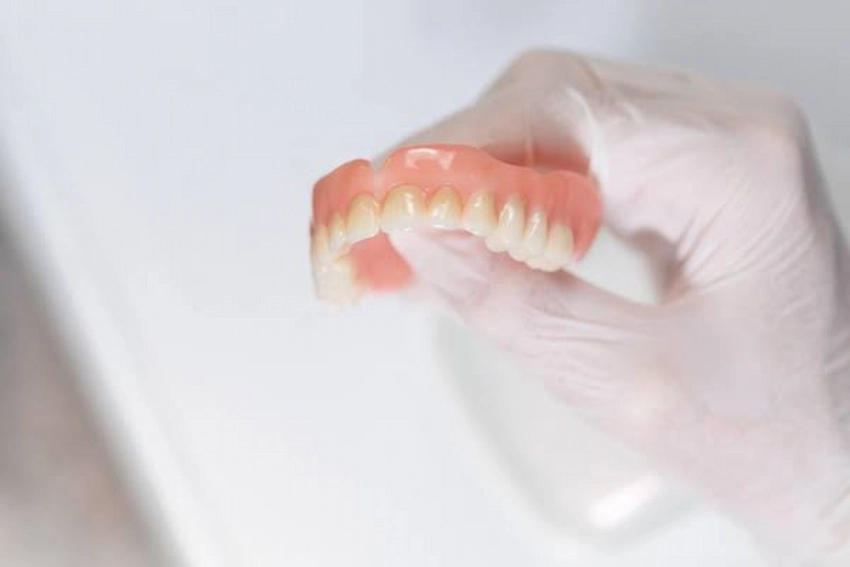
Your dental bridge is an extremely meticulous piece of equipment. These bridges are designed by Professor Doctor Coşkun Yıldız to fit your mouth with microscopic accuracy. You, therefore, need an expert fix if that fit is lost, not a temporary glue.
Adhesive use involves the following risks:
- Germ hotspots: The adhesive results in small spaces where food and saliva get stuck and eventually cause decay of the supporting teeth.
- Uneven bite: A mobile bridge makes one bite unnaturally, which might then lead to chronic jaw pain and TMJ problems.
- Permanent harm: Since adhesive removal is difficult of thoroughly, residual stickiness will end up irritating the gums and causing inflammation and the creation of harmful bacteria.
Don’t Neglect the Symptoms
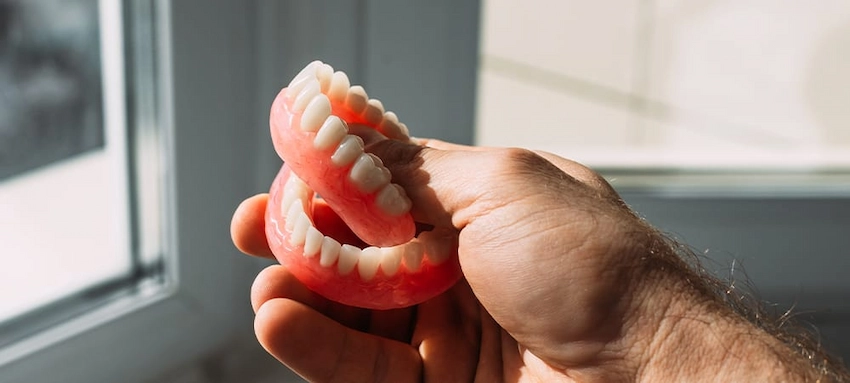
Dentist Polen Akkılıç and her team frequently disclose that bridges don’t simply loosen for no reason. It means that the supporting structure has started to fail.
Consider this example of a house’s foundation. If you see cracks, you don’t simply cover them with paint; you rectify the structural issue. Similarly, naively ignoring a loose bridge might expose you to extracting a tooth or having to go for an implant later.
Quick Comparison: Adhesive vs. Professional Care
Property |
Denture Adhesive |
Professional Recementation |
Intended for |
Removable dentures |
Fixed bridges |
Effect on gums |
Causes irritation |
Allows healing |
Risk in the long run |
High (decay/infection) |
Low (tooth preservation) |
Doctor’s verdict |
Never use it |
Standard of care |
Alternatives
If your bridge feels like it is moving, do not try to do anything with it by yourself and see your dentist immediately. Besides harming your gums and the whole transplantation, self-gluing your bridge might even destroy this permanent restoration.
Lema Dental Clinic in Turkey has the aim to help patients recover their dental stability. Generally, we clean the bridge and then recement it professionally during a comfortable visit if the underlying tooth is in good condition.
Commonly Asked Questions
Isn’t it quite dangerous to use adhesive?
It definitely is. Considering that dental adhesive is not able to withstand biting forces, it equally results in bacteria getting stuck between the teeth and leading to decay that you are not going to notice until it is too late.
Can’t I just hold off getting it done for a couple of days?
Well, it’s a little dangerous. The act of biting down on a loose bridge continues to stress the supporting teeth, which means that any decay will worsen.
What if I keep the bridge for a while while it is loose – will it break?
It will! A bridge is a piece that was meant to be stable. Moving it back and forth regularly will cause metal or ceramic fatigue, and ultimately, the bridge or abutment tooth will break.
Does Lema Dental Clinic do bridges that are made at other dental clinics?
Yes, indeed. We regularly assist international patients in fixing these types of problems. We will do a proper fit evaluation, and your bridge will be restored in a safe manner.
How long does professional repair take?
This procedure is generally simple. After we make sure that the dental root underneath is in a good state, we will be able to fix the bridge in one day.
Academic References
- Al-Wahadni, A. M., & Martin, D. M. (1998). Determinants of clinical failure in fixed partial dentures. Journal of Prosthetic Dentistry.
- Behr, M., et al. (2005). The clinical performance of fixed dental prostheses. International Journal of Prosthodontics.
- Goodacre, C. J., et al. (2003). Clinical complications in fixed prosthodontics. Journal of Prosthetic Dentistry.
- Tan, K., et al. (2004). A systematic review of the survival and complication rates of fixed partial dentures. Clinical Oral Implants Research.
- Valderhaug, J. (1991). A 15-year clinical evaluation of fixed prosthodontics. Acta Odontologica Scandinavica.

