


Too much denture adhesive can upset digestion.
A poorly fitting denture may ruin your meal or conversation. Most people see the denture cream as an easy solution. With one small squeeze, you get a strong grip.
Still, some questions keep coming up while we consult: Is there damage if you ingest this cream through your stomach or intestines?
People are likely to swallow small amounts after using denture paste regularly. Let us see together how this may relate to your health.
What Would Happen If You Ingest Denture Paste?
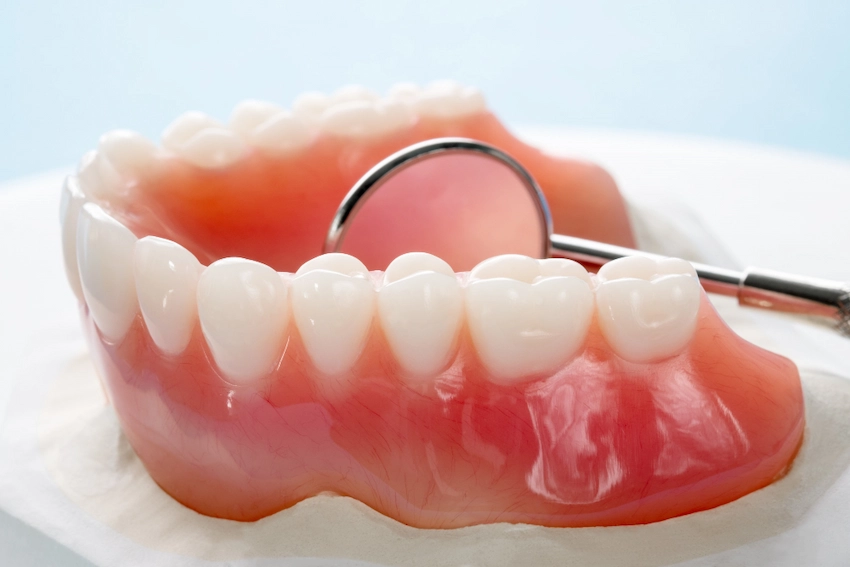
Denture adhesives primarily consist of ingredients such as zinc- or calcium-based polymers, substances that stick together the materials of the denture. When moisture, such as saliva, comes into contact with it, a chemical change occurs, and it will stick tightly to your mouth.
The body can process slight use without difficulty. However, what about the case when a denture is ill-fitting, and one has to apply a thick layer of denture adhesive regularly throughout the day?
Paying for high doses of zinc over time can result in serious issues with your body’s balance of these elements. It may lead to gastric discomfort or even problems with your nerves. Your digestive system can’t handle this kind of stuff all the time.
Clinical Insight: Think of the bowel as a fragile system of nature. Excess substances force your body to get rid of the matter, which would be more suitable to remain between the mucosa of the gums rather than to be swallowed into your stomach.
The Risks: Temporary Fixes vs. Long-Term Health
Why do denture creams not work well all the time? Jawbone naturally resorbs after losing your teeth. That denture which used to fit perfectly five years ago may now rest on top of a level ridge. That huge layer of paste is only a temporary remedy.
This is an overview of pastes versus long-term solutions.
| Approach | Mechanism | Health & Digestive Risks | Stability & Lifespan |
| Denture | Chemical polymers and zinc agents | Zinc irritation from the residue that’s swallowed; some amount of stomach discomfort | Temporary (needs daily application) |
| Soft Relines | Soft material inserted under the gumline part is soft. | Negligible risk; localized skin irritation might be experienced now and then | Roughly speaking, over half a year to a year, the material is quite good, so you can enjoy it without worrying about discomfort. |
| Facial Implants | Metals are permanently fixed within the bones of your facial region | There is no threat to your digestive system and no residue swallowed at all | Permanent (like a natural tooth root) |
Clinical Insights from Lema Dental Clinic

In Turkey, Istanbul is the location of Lema Dental Clinic. Their patients tend not to be very fond of pastes or soaking processes they have to do regularly at night.
Professor Doctor Coşkun Yıldız says the ideal denture should be able to be locked onto your chewing surface without the use of any chemical adhesives. If you feel the need to use heavy cream daily, it indicates that the denture is no longer a proper fit in the mouth.
Dr. Polen Akkılıç and team of assistants put focus on true structural repairs. Contemporary face implants eliminate the possibility of contact with chemical adhesive. They ensure the stomach is protected against chemicals while keeping the smile secure and bright.
Frequently Asked Questions
Can denture cream cause stomach ulcers?
In small quantities, denture cream will be cleared up without a trace. However, the excessive usage of those containing zinc may lead you to an irritable and acidic environment around your alimentary canal. What is more, you have probably been swallowing some cream throughout the day in the wrong way. So, what you need is your denture fixed rather than a new layer of that cream.
How do I know if my paste has zinc?
Read the ingredients section carefully. More and more manufacturers now offer no zinc alternatives. Moreover, if you’ve felt a tingling sensation or heaviness due to zinc oxide pastes, you should consult a medical doctor regarding the option of dental implants.
Are there other ways to fix loose dentures?
Well, yes, besides using soft denture liners, dental implants also give an excellent way to secure dentures firmly. The dentistry team here usually uses soft relines or dental implants to lock dentures into position. As soon as you’re able to close your mouth securely without being aware of them, your main denture will stay there without any problems. You won’t even know their presence until you feel confident smiling without worrying that they’ll fall off your face, and only then can you stop using denture adhesive pastes.
Is it safe to travel to Turkey for implants?
Right now, Turkey is among the leading countries globally, where a team of top-rate international surgical experts, such as Prof. Dr. Coskun Yıldız, who perform denture and implant procedures, will work alongside state-of-the-art equipment and the most advanced technology. The typical patient receives a long-lasting implant option without needing a denture adhesive, which, in turn, also results in lower expenditure.
How long do dental implants last?
A lot of people believe that dentures get damaged so quickly that they can be repositioned often, even after years. The dental implants become integrated with your jaw bones. When you look after them well, there is no real need to replace these devices at all, maybe not even for years.
Academic References
- Avrampou, M., & Mericske-Stern, R. (2017). Denture adhesives: A review of clinical efficacy and safety. Journal of Prosthodontic Research, 61(2), 123-132.
- Nunn, J. H., Murray, J. J., & Van der Feyvogel, J. (2019). Systemic absorption of zinc from denture adhesives: A clinical evaluation. Gerodontology, 36(4), 310-318.
- Zarb, G. A., & Hobkirk, J. A. (2020). Prosthodontic Treatment for Edentulous Patients: Complete Dentures and Implant-Supported Prostheses (13th ed.). Elsevier.
- Çötert, H. S., & Özkan, Y. K. (2021). The impact of implant-retained overdentures on patient satisfaction and nutritional status. International Journal of Oral & Maxillofacial Implants, 36(3), 541-549.
- Misch, C. E. (2022). Contemporary Implant Dentistry (4th ed.). Mosby Elsevier.

