

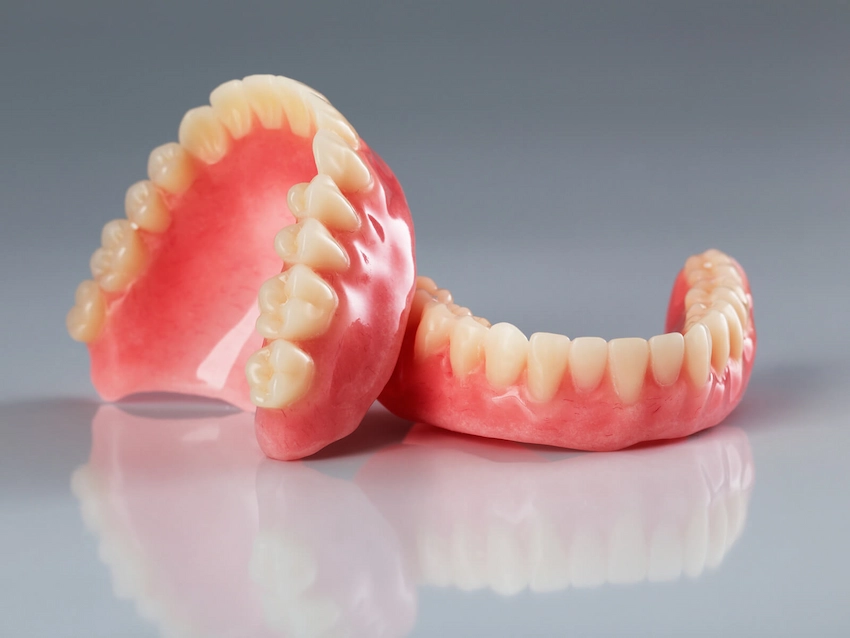
Klej do protez: szkodzi żołądkowi?
Zbyt duża ilość kleju do protez może zaburzyć trawienie.
Źle dopasowana proteza może zrujnować posiłek lub rozmowę. Większość ludzi postrzega krem do protez jako łatwe rozwiązanie. Jedno małe naciśnięcie zapewnia mocne trzymanie. Nadal jednak podczas konsultacji pojawiają się pytania: Czy połknięcie tego kremu przez żołądek lub jelita może spowodować szkody? Ludzie prawdopodobnie połykają niewielkie ilości po regularnym stosowaniu pasty do protez. Zobaczmy razem, jak to może wpływać na Twoje zdrowie.Co się stanie, jeśli połkniesz pastę do protez?
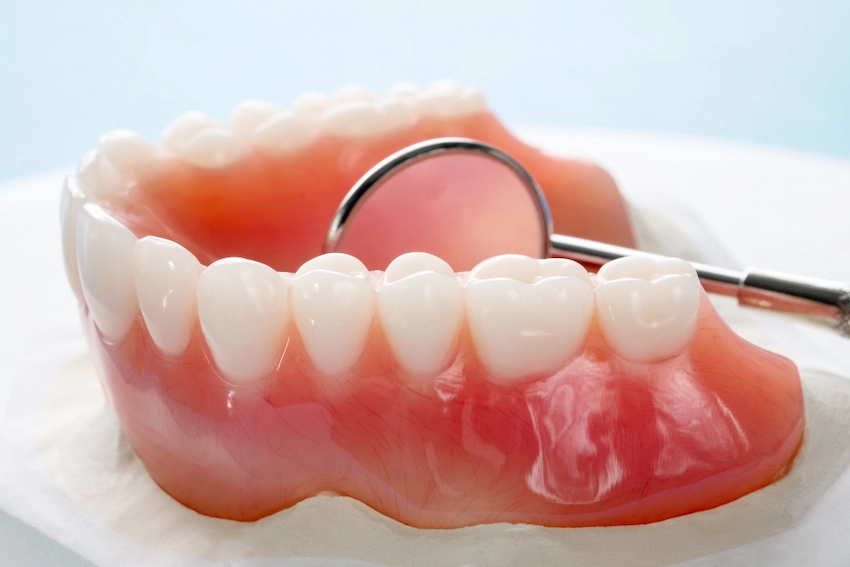
Ryzyko: Tymczasowe rozwiązania a długoterminowe zdrowie
Dlaczego kremy do protez nie zawsze działają dobrze? Kość szczęki naturalnie ulega resorpcji po utracie zębów. Proteza, która pięć lat temu pasowała idealnie, może teraz spoczywać na płaskim wyrostku. Ta gruba warstwa pasty to tylko tymczasowe rozwiązanie. Oto przegląd past w porównaniu z rozwiązaniami długoterminowymi.| Podejście | Mechanizm | Ryzyko dla zdrowia i układu trawiennego | Stabilność i żywotność |
| Proteza | Polimery chemiczne i środki cynkowe | Podrażnienie cynkiem z połkniętych resztek; pewien dyskomfort żołądkowy | Tymczasowe (wymaga codziennej aplikacji) |
| Miękkie podścielenia | Miękki materiał wprowadzony pod część dziąsłową jest miękki. | Znikome ryzyko; sporadycznie może wystąpić miejscowe podrażnienie skóry | Z grubsza mówiąc, przez ponad pół roku do roku materiał jest dość dobry, więc możesz cieszyć się nim bez obaw o dyskomfort. |
| Implanty stomatologiczne | Metale są trwale mocowane w kościach regionu twarzowego | Brak zagrożenia dla układu trawiennego i brak połkniętych resztek | Trwałe (jak naturalny korzeń zęba) |
Wskazówki kliniczne od Lema Dental Clinic

Często zadawane pytania
Piśmiennictwo naukowe
- Avrampou, M., & Mericske-Stern, R. (2017). Denture adhesives: A review of clinical efficacy and safety. Journal of Prosthodontic Research, 61(2), 123-132.
- Nunn, J. H., Murray, J. J., & Van der Feyvogel, J. (2019). Systemic absorption of zinc from denture adhesives: A clinical evaluation. Gerodontology, 36(4), 310-318.
- Zarb, G. A., & Hobkirk, J. A. (2020). Prosthodontic Treatment for Edentulous Patients: Complete Dentures and Implant-Supported Prostheses (13th ed.). Elsevier.
- Çötert, H. S., & Özkan, Y. K. (2021). The impact of implant-retained overdentures on patient satisfaction and nutritional status. International Journal of Oral & Maxillofacial Implants, 36(3), 541-549.
- Misch, C. E. (2022). Contemporary Implant Dentistry (4th ed.). Mosby Elsevier.
Pytania pacjentów
Can denture cream cause stomach ulcers?
In small quantities, denture cream will be cleared up without a trace. However, the excessive usage of those containing zinc may lead you to an irritable and acidic environment around your alimentary canal. What is more, you have probably been swallowing some cream throughout the day in the wrong way. So, what you need is your denture fixed rather than a new layer of that cream.
How do I know if my paste has zinc?
Read the ingredients section carefully. More and more manufacturers now offer no zinc alternatives. Moreover, if you've felt a tingling sensation or heaviness due to zinc oxide pastes, you should consult a medical doctor regarding the option of dental implants.
Are there other ways to fix loose dentures?
Well, yes, besides using soft denture liners, dental implants also give an excellent way to secure dentures firmly. The dentistry team here usually uses soft relines or dental implants to lock dentures into position. As soon as you're able to close your mouth securely without being aware of them, your main denture will stay there without any problems. You won't even know their presence until you feel confident smiling without worrying that they'll fall off your face, and only then can you stop using denture adhesive pastes.
Is it safe to travel to Turkey for implants?
Right now, Turkey is among the leading countries globally, where a team of top-rate international surgical experts, such as Prof. Dr. Coskun Yıldız, who perform denture and implant procedures, will work alongside state-of-the-art equipment and the most advanced technology. The typical patient receives a long-lasting implant option without needing a denture adhesive, which, in turn, also results in lower expenditure.
How long do dental implants last?
A lot of people believe that dentures get damaged so quickly that they can be repositioned often, even after years. The dental implants become integrated with your jaw bones. When you look after them well, there is no real need to replace these devices at all, maybe not even for years.