Iron is an essential mineral that is the basis of many bodily functions, including oxygen transport, support of energy production, and a strong immune system. The majority of people understand the significance of iron for good health but only a few realize that the iron deficiency can also be a cause for oral health issues such as teeth and gum problems. An absence of iron can be the culprit for such problems as gum disease, tooth decalcification, and sensitivity, to name a few.
This article will delve into the ways in which your teeth are affected by a lack of iron, the signs of the disease, and how you can combat the deficiency to save your smile. The main aspects to be explored are firstly, a lack of iron and its effect on teeth and gums, secondly, the symptoms of such an iron deficiency, and finally, the ways to solve this health problem.
How Iron Deficiency Affects Your Teeth and Gums
Iron is one of the fundamental elements to maintaining healthy teeth, since it provides strength to the enamel of teeth. Iron deficiency in the body can be a pathway to various oral health problems that may be manifested by tooth sensitivity and gum diseases. Iron’s most remarkable effect on the teeth, apart from leaving them more prone to decay, is the wearing-off process of the enamel.
Enamel can become softer and thinner due to the decrease of iron in the body yet can still allow bacteria to attack the teeth and cause even further tooth destruction. Thinner enamel leads to an increase in the risk of cavities and sensitivity which can generally be felt when eating hot or cold things or sweets.
One more sign of your iron deficiency is your gums being in a bad state, and that is manifested by the occurrence of a lot of inflammation and bleeding. Iron deficiency also results in a weaker immune system, which may be unable to defend your body through an infection like gingivitis, periodontitis, both of which can lead to gum disease. If not cured in time, this condition may cause tooth loss.
In rare cases, iron deficiency may cause the problem of a dry mouth, where the amount of saliva is less. Saliva goes a long way in getting rid of food particles and bacteria in the mouth. With less saliva at your disposal, you have a higher chance of getting tooth decay and halitosis.
Symptoms of Iron Deficiency That Affect Your Teeth
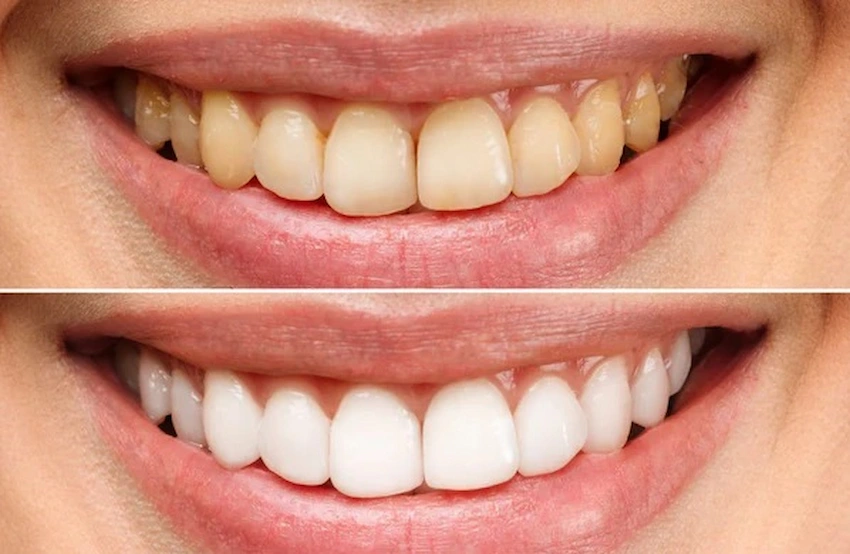
The decrease of the iron concentration in your blood can be gradual and the complaints related to teeth and gums may be difficult to recognize at first. However, a few common iron deficiency symptoms that can affect your oral health in a negative way are the following:
- Inflamed, bleeding gums which are sore, particularly when brushing your teeth or flossing.
- The corners of the mouth that are dry and either hurt or are cracked, i.e. angular cheilitis, often this is related to the iron deficiency and a weak immune system.
- Teeth, especially after eating sugary foods or hot/cold ones, are more sensitive as the dentin is exposed due to weakened enamel.
- Pale and bloated gums are symptoms of poor blood flow because of a shortage of iron in the blood. This is highly indicative of iron deficiency.
Furthermore, besides your oral wellbeing, some general iron deficiency indications are tiredness, going pale, shortness of breath, and feeling weak. These signals should be signs to have a necessity of eradicating the deficiency as it is harmful to the general health of one as well as of oral health.
Tips for the Treatment and Prevention of Iron Deficiency for Good Teeth
One method of change may not only be sufficient from the food you eat. Besides one’s diet, the changes could mean using dietary changes as one part of this treatment. Hence if your energy is still very low and you cannot eat at all, it could be potentially dangerous and the doctor will suggest taking iron supplements at the extreme level of anemia.
But you must be prudent enough to follow the doctor’s prescription and go to the clinic to seek professional advice if the amount prescribed is less likely to be harmful and even lethal. Moreover, apart from the aspect of dealing with iron deficiency, the caring of one’s mouth becomes a vital player in this.
The use of a toothbrush with fluoride toothpaste, regular flossing, and the use of a well-equipped mouthwash can effectively keep the teeth away from the plaque and by extension, they also can help in getting rid of the bacteria. In addition, having the teeth treated with fluoride treatments through your dentist or the use of other oral products that are recommended may not only aid the teeth in the prevention of enamel damage but also keep them healthy.
If you are experiencing common symptoms of periodontal disease and tooth decay, you should not hesitate to see your dentist. It is anticipated that the earlier the problem is solved, the less likely you will face the situation which is severe, and thus after you have dealt with the iron deficiency, the barrow and buccal area are still in good condition.
FAQs About Iron Deficiency and Its Effect on Teeth
Iron deficiency can weaken tooth enamel, leading to increased sensitivity and a higher risk of cavities. It can also cause gum inflammation, bleeding, and dryness in the mouth.
Yes, iron deficiency can contribute to gum disease, which, if left untreated, can result in tooth loss. Maintaining adequate iron levels is important for preventing gum infection and tooth damage.
Iron-rich foods such as red meat, chicken, fish, and leafy greens are great additions to your diet. You can also consider iron supplements if recommended by your doctor.
Yes, the weakening of enamel due to iron deficiency can lead to increased tooth sensitivity, especially to temperature changes and sweet foods.
The first signs of iron deficiency in the mouth may include pale or swollen gums, cracks at the corners of the mouth, and sore or inflamed gums that bleed easily.