


Composite bonding is a widely used and has a great result cosmetic dental operation to bring back the teeth’s original look if they are damaged by chips, cracks, or are simply discolored. In short, the method means fixing the lightest and closest-to-natural-make resin onto the damaged area, which, after curing, is reshaped so it looks like the rest and the resin blends with your teeth. Even though composite bonding is quite a long-lasting method, it cannot be guaranteed that it will not get a bit of discoloration or staining after a certain time. This discoloration may result from some lifestyle factors as well as food and tobacco use.
Looking for a way to continuously have a bright smile with composite bonding, you need first to get a thorough understanding of how composite bonding can be whitened and maintained. The article gives you the reminders that dentists give you in order to keep your teeth bright; these include the importance of stain prevention, the ways of whitening bonding if discoloration happens, and general dental care advised by Dentist Polen Akkılıç and her team at Lema Dental Clinic. If you decide to take the initiative and listen to the experts, then your bonding will be as good as new for a long time.
Does Composite Dental Bonding Exhibit Susceptibility to Staining?
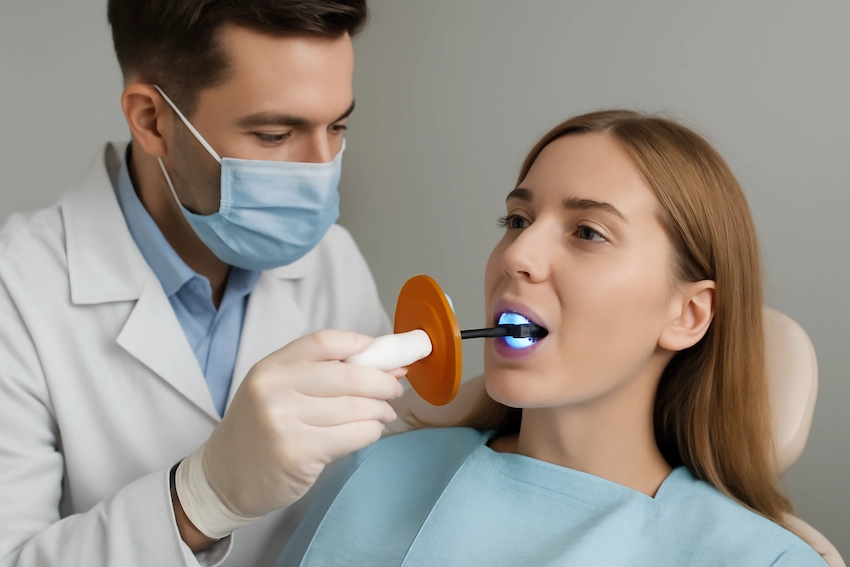
Porcelain and composite materials are the two most commonly compared when one is deciding on the type of teeth restoration. Of the two, dental bonding is the one that can easily tarnish. The reason for that is that resin, which is the major component of bonding, is a porous material, and it absorbs pigments from foods and drinks like coffee, tea, wine, and berries very quickly. In addition to that, smoking and bad oral hygiene can cause the staining process to speed up so that the bonding appears yellowed or discolored. Professor Doctor Coşkun Yıldız explains that it is the porosity of the material that makes it more vulnerable to discoloration;, thus, caring for it and keeping it clean is necessary.
Once the bonding material absorbs pigments from food and drinks, the surface may lose its shine and the color may no longer match the natural teeth around it. The discoloration can, in fact, become very significant over time, especially if the composite bonding is continuously exposed to staining agents. Dentist Polen Akkılıç states that it is very important to act instantly to avoid such stains becoming permanent because regular upkeep can be a means of keeping the material looking like new.
What Are the Methods for Removing Stains from Composite Dental Bonding?
- Professional Cleaning and Polishing: Going to a dentist for a professional cleaning is definitely the best method to completely get rid of the surface stains on composite bonding. Dentists employ the means of a certain toolkit to safely and softly polish the bonding material throughout which the dentist removes any plaque, tartar, and stains made by rascal brushing. This step results in the restoration of the bonding material to the original state, having a smooth and shiny texture again.
- Non-Abrasive Toothpaste and Soft-Bristled Brush: A non-abrasive fluoride toothpaste will cleanse your composite bonding of your dental work if you follow it by toothbrushing at home. It is very important to stay away from toothpastes that have a gritty texture because using abrasive pastes can cause tiny scratches in the bonding material that will gradually lose their sparkling effect. A soft-bristled toothbrush will not only provide the necessary hygiene but will also be a gentle helper to the composite.
- Regular Oral Hygiene Routine: The main culprit for the discoloration of composite bonding is the lack of proper oral hygiene; thus such a routine will help in preventing stains especially in the composite dental work area. Proper oral hygiene methods include brushing twice a day and flossing regularly, thereby making the formation of plaque deposits that cause staining less likely. Dentist Polen Akkılıç cites this as a daily habit which is a preventive measure against discolored areas in the mouth.
- Stain-Preventive Measures: The use of composite bonding materials could be a waste of money if you don’t take good care of it by limiting and even better – completely avoiding eating and drinking habits that can cause stains such as coffee, tea, red wine, and tobacco. It would be better if you take a mouth rinse with normal water after drinking or eating these products instead of brushing your teeth with toothpaste and you will certainly have less chance of facing the staining problem this way.
- Professional Resin Polishing and Touch-Ups: For the removal of those stubborn surface stains and discolorations on resin-bonded teeth, your dentist can carry out a resin polishing step which is the answer. Any deep-set dirt and discoloration left on the bonding materials are going to be eradicated by this technique, thus the bonding will look like before again. Occasionally, the dental practitioner could recommend employing small tips as well as the reapplication of the resin adhesive to achieve your beautifully renewed smile.
Is There a Potential for Composite Dental Bonding to Discolor Over Time?
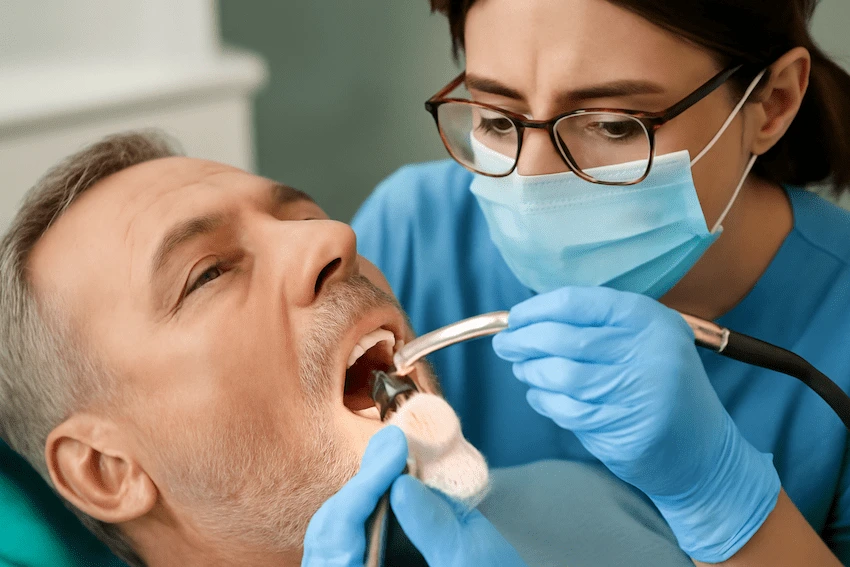
Basically, composite bonding can change its color after a certain period due to the natural breakdown of the material. Professor Doctor Coşkun Yıldız states that composite bonding is likely to absorb pigments from common foods and drinks, which eventually can make it lose its original color. The time frame can be several years, but the bonding material can turn quite yellow or become stained if it is continually exposed to staining agents.
Furthermore, the discoloration of dental bonding could be aggravated by unhealthy oral hygiene habits as dental plaque and tartar can develop on the bonding surface. The mentioned deposit can result in a dull appearance, therefore, making the staining more noticeable. Polen Akkılıç, a dentist, recommends that immaculate oral hygiene and dental visits for regular examinations will lower the staining risk and thus, the bonding material will remain safe.
What Corrective Measures Can Be Taken to Address Discoloration in Bonded Teeth?
- Repolishing or Professional Cleaning: In instances where the change of color is only superficial, a repolishing of the bonding material can very well rejuvenate its original brightness. Professor Doctor Coşkun Yıldız advises a deep cleaning and polishing session at your dentist’s office as a solution to the problem. This treatment not only cleans but also smoothens the composite surface, thus removing any stains and letting the natural luster of the material appear.
- Bonding Replacement: If the discoloration of your composite resin is very strong and a cleaning does not help, then removal, and replacement of your resin might be the only way for you to proceed. Dr. Polen Akkılıç says that it is not only possible to make the teeth look like their natural color again just by changing the layer, but also the smile can be kept beautiful. Achieved.
- Teeth Whitening (Professional Treatment): Composite bonding is a bit different from natural teeth in a way that you cannot simply whiten it by your regular methods, but a dentist can suggest some special bleaching treatments for teeth with bonded areas. These treatments generally use professional-grade options like air abrasion or very gentle whitening gels that help to lighten the composite bonding without damaging the material.
- Polishing and Re-Reshaping: With the help of polishing and re-shaping, a dentist can treat small discolorations or situations where the composite might be slightly worn without having to completely replace it. This method allows the dentist to infiltrate the stains that have penetrated the surface and regain an even, fresh look of the bonded areas. Professor Doctor Coşkun Yıldız says that this method is the most adequate solution when only a little discoloration is present and a total replacement is not necessary.
- Use of Bonding-Friendly Stain-Resistant Materials: Should your composite bonding apparently discolor rapidly as a result of your lifestyle, your dentist could suggest that you switch to more stain-resistant bonding materials. Some of the newly designed composite resins are prepared to be much less susceptible to staining and thus represent a more long-lasting solution.
Is It Possible to Whiten Composite Dental Bonding?
In general, teeth whitening methods will not work on composites as these products are specially made for natural tooth enamel and therefore your treatment may not have the effect you aim for on the bonding material. Professor Doctor Coşkun Yıldız explains that the composite resin does not react to the bleaching agent like a natural tooth, so if you undergo a standard whitening treatment, you may get color differences or even damage the resin.
Nevertheless, certain professional whitening procedures can be performed on bonded teeth only. Dentist Polen Akkılıç says that the patient should first ask their dentist what the safest and most efficient methods of whitening are. Sometimes the dentist can remove the stains on the surface of the teeth through polishing or air abrasion or in case the bonds cannot be saved, a new layer of composite will be applied to make them look like before.
What Are Some of the Methods to Whiten Composite Bonding Properly?
To get the best results in whitening your composite, the same dentist, Polen Akkılıç, suggests that you also take care of preventive measures so that your teeth don’t get stained. In order to protect your mouth from it and the resultant plaque, you need to brush every day with a toothpaste absolute of abrasives and a gentle toothbrush should be used. Not indulging in eating staining foods and drinks like coffee, wine, and smoking will help your composite bonding to stay nice and white.
If a regular check-up and a thorough cleaning are part of your normal visit to the dentist then you are on the right path to maintaining your composite bonding in perfect condition. Professor Doctor Coşkun Yıldız advises that polishing should be done from time to time, which will help eliminate the stains that have accumulated on the bonds gradually. If, along with these steps you still maintain good oral hygiene, your resins will be as fresh as on the day they were done.
What Are the Risks of Whitening Composite Dental Bonding?

How whitening composite bonding can give good and bad results. Dentist Polen Akkılıç indicates that bonded teeth can be visually improved with professional whitening treatments, but if the wrong whitening methods are used, the results may be inconsistent and the bonding material may be damaged. It is known that made of abrasive whitening pastes, and the use of such materials on composite bonding will get the surface of the latter scratched and rough patches will be created, which will absorb more stains as they will be dirty again.
Before thinking about a whitening treatment for composite bonding, you should absolutely abide by the recommendations of your dentist. Locum Professor Doctor Coşkun Yıldız is against the use of whitening products bought in pharmacies for the bonding materials as they may bring more harm than good. To ensure safety and treatment effectiveness, only professional treatments specifically designed for composite bonding should be used.
Precautions and Best Practices to Keep the White Appearance of Composite
Stained composite restorations should be corrected through careful oral hygiene, and good nursing habits should be established and lifestyle changes made accordingly. Dentist Polen Akkılıç advises brushing twice a day with a non-abrasive fluoride toothpaste, thus plaque and staining from the dental surface are prevented. Also brushing with a soft toothbrush will ensure that the bonding material won’t be damaged by the surface will not get discolored again.
On the bright side, cutting down on stain-causing items like coffee, tea, and red wine is also necessary for the bright side of the bond to show. Locum Professor Doctor Coşkun Yıldız thinks that in addition to good oral hygiene, attending dental appointments and getting professional cleanings is the key to the longevity of the bonding and solving problems of staining and wear before they get big.
How Long to Wait Before Whitening After Composite Bonding?
Definitely wait for 48 hours after a composite dental bonding before using any whitening treatments. The bonds need to be allowed to fully set and harden; therefore, no whitening treatments must come into contact with the material. Dr. Polen Akkılıç states that if you try to whiten your teeth prematurely, the result may be uneven or the treatment may not work at all.
When the bonding is fully set, you can talk to your dentist about whitening your teeth in a way that won’t harm the bonding material. Professor Doctor Coşkun Yıldız points out that one should only consider professional whitening treatments in order to be safe.
Comparison of Whitening Methods for Composite Bonding
| Whitening Method | Effectiveness | Risks | Cost | Recommended For |
| Professional Cleaning | High | Minimal | Medium | Mild surface stains |
| Polishing | Medium | Low | Low | Mild discoloration |
| Replacing Bonding | High | Medium | High | Severe discoloration |
| At-Home Whitening | Low | High | Low | Not recommended |
References:
- Christensen, G. J. (2017). The importance of composite resins in modern dentistry: Properties and techniques. Journal of Esthetic and Restorative Dentistry, 29(6), 398-405. https://doi.org/10.1111/jerd.12356
- Jones, A. R., & Peters, S. M. (2019). Staining and discoloration of composite resin materials: Prevention and management strategies. Journal of Dental Research, 98(4), 342-348. https://doi.org/10.1177/0022034518823789
- Moynihan, P. J., & Patterson, A. P. (2021). Dietary habits and their influence on dental restoration discoloration: A comprehensive review. International Journal of Dentistry, 2021, 1-9. https://doi.org/10.1155/2021/5735910
- Rosenstiel, S. F., Land, M. F., & Fujimoto, J. (2020). Contemporary fixed prosthodontics (5th ed.). Elsevier.
- Tanaka, K., & Watanabe, M. (2018). Composite resins: Properties, techniques, and recent advancements. Journal of Prosthetic Dentistry, 120(2), 175-184. https://doi.org/10.1016/j.prosdent.2018.02.007
FAQ: How to Whiten Composite Bonding?
Without a doubt, a great toothpaste to apply to composite bonding is a gentle, non-abrasive, fluoridated toothpaste that can maintain the material’s health and that does not cause any staining to it.
Composite bonding whitening at home is really the worst idea you can have. A dentist’s advice and his specially designed professional whitening treatment for composite materials should always be your first choice.
With great care, composite bonding can stay clean and stain-free for a very long time, even up to a few years, but its strength will still be influenced by the user’s hygiene and lifestyle habits.
Composite bonding is made to harmonize with natural teeth; however, it may not be as bright as professional tooth whitening.
Sure, composite bonding may stain permanently if it is not properly kept. Normal dental visits and good oral hygiene will certainly help in prevention.
Indeed, composite bonding has a higher tendency to stain than porcelain because it is a porous material.
Yes, if the stains on composite bonding are so drastic, the dentist can fix it or replace the composite to make it look like new again.

