


Don’t Forget to Consult Your Dentist!
What is Xylitol?
Xylitol is a sugar alcohol found naturally that is commonly used as a sugar alternative. It has been widely accepted due to its efficiency in delivering the sweetness of sugar without the associated side effects related to teeth. But really, what makes it so special for your oral health? Xylitol acts contrary to regular sugar, which bacteria in the mouth that cause dental caries thrive on. So it basically removes the food source for bacteria and prevents them from multiplying in the oral cavity, thus creating a healthier mouth environment.
Xylitol is not just a sweetener; it is a total game-changer in your oral health. This low-calorie sugar substitute is found in almost all dental products such as sugar-free gum, toothpaste, and mouthwash, making it very convenient to follow a daily routine. It not only tastes good but also acts as a helper to your teeth to prevent them from developing cavities and plaque concentrations.
The Origin, Definition, and Major Natural Sources of Xylitol
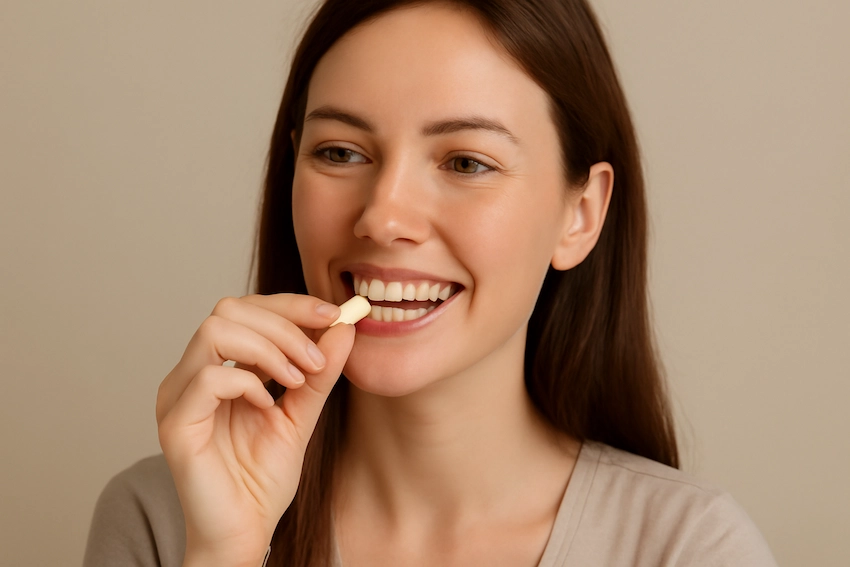
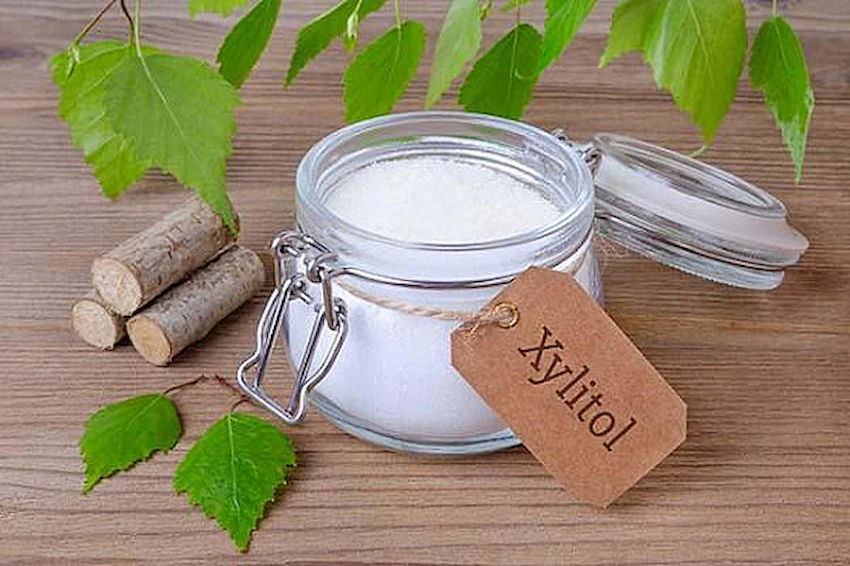
Xylitol is a sugar alcohol and a type of carbohydrate that has chemical and caloric properties similar to those of both sugar and alcohol, but with fewer calories. It can be found in nature in small quantities in many fruits and vegetables, and even some grains. For example, it occurs in strawberries, mushrooms, corn, and oats. In nature, xylitol is a plant’s way of protecting itself from a drought, and that’s the reason why it comes from the peel of fruits and vegetables.
In most cases, xylitol is extracted from the birch tree or corn to make it available for commercial use. The xylitol so removed finds extensive use in the manufacture of sugar-free gum, candies, and toothpaste, among others. Though there are several natural sources of xylitol, the amounts of xylitol are mostly very small; thus, xylitol-based products are a more convenient and effective way to get the benefits of xylitol in oral health.
Even more interesting is the fact that xylitol, in contrast to sugar, does not bring about caries. It helps limit the spread of the bacteria that are bad for the mouth. You can make a great move towards better oral health and almost halve your risk of caries by simply switching to xylitol from sugar.
How Xylitol Differs from Sugar and Its Benefits for Teeth
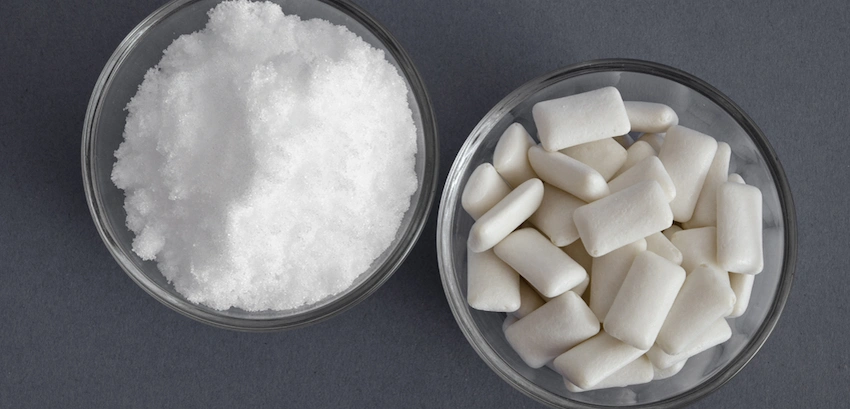
We all know that sugar is the main source of dental caries. Sugar is consumed by bacteria that reside in your mouth; they, in turn, secrete acids which dissolve enamel on your teeth, and now you have cavities. Acid production is the term for the process of converting carbohydrates to acids, and it is the main basis of tooth decay.
In contrast to this, xylitol just can’t be a factor in acid production. It even fights against acid production. Xylitol not only refuses to contribute to acid production; it also restrains bacterial growth, which helps in the neutralization of acids already in the mouth. Hence, a person can get a lower number of plaques deposited on the teeth and a lower probability of dental caries.
Xylitol is not only a caries preventer, but it also maintains excellent oral health of the person in several ways. For instance, it increases the flow of saliva. Saliva is the body’s natural way to defend against dental caries put it as it also helps acid neutralization, food particle removal, and the supply of minerals such as calcium and phosphorus to the enamel. Besides, saliva also prevents dry mouth, which is a condition that may cause halitosis and a higher risk of cavities.
Apart from this, a remarkable property of xylitol is the fact that it can prevent gum disease to a certain extent by lessening the dilemma. Gum disease bacteria grow best on sugar; however, if you were to drop xylitol instead, these bacteria would be left without their food source. Therefore, the mouth becomes cleaner and healthier. Xylitol is thus an excellent instrument in overall oral hygiene maintenance.
How to Use Xylitol for Teeth
After discovering that xylitol is very beneficial to your teeth, the question comes: How would you use it in the best way? Luckily, there are many ways to get xylitol in your daily oral care routine. Here are some common methods:
- Chewing Xylitol Gum: Using xylitol is one of the most straightforward methods when you xylitol gum are surely by mouth. Gum chewing promotes saliva production; thus, it can remove food debris and neutralize the acids in your mouth. At best, get gum that contains at least 1 gram of xylitol per piece. Such an amount is good at cutting down the bacteria that cause cavities.
- Xylitol Toothpaste: You can also try brushing with xylitol toothpaste. Now, there are several brands of toothpaste with xylitol as the main ingredient. Not only does xylitol toothpaste clean your teeth, but it also helps to lower the number of disease-producing bacteria in the mouth, thus completely preventing dental caries.
- Xylitol Mouthwash: Also, using a mouthwash that contains xylitol is another good way to get xylitol in your routine. A quick rinse right after meals might invigorate your breath, kill the bacteria, and neutralize the acids that result in decaying teeth. Find out more about the brand that has the most xylitol-mixes in the composition.
- Xylitol Mints or Lozenges: When you are in the middle of your day and looking for something to keep you fresh and healthy, then the xylitol mints or lozenges may be a good choice. Not only are they refreshing, but they also help your teeth stay strong by neutralizing acids and by enabling saliva flow.
If you want to get the most out of xylitol, you should use it 3 to 5 times a day. That way, the teeth will always be shielded from bacteria and acids that cause decay, and your smile will stay healthy.
Tips for Choosing Quality Xylitol Products
There are a number of reasons why xylitol products are not equally effective. One of the things you can do to access xylitol products of excellent quality is to follow some checklists, as shown below:
- Seek the 100% Xylitol products only: Always check the products of xylitol for the inclusion of xylitol only, without being mixed with other sweeteners. The degree of effectiveness of a product is determined by how concentrated the xylitol is, so those that have less may not generate the same effects.
- Make sure the products you choose have a high content of xylitol: It does not matter if it is gum, toothpaste, or mouthwash. The only thing that matters is the products that name first the ingredient as xylitol. By concentrating on this, you will realize that you are getting an effective dose for your teeth.
- Verify the dental approvals: There are some xylitol products that are specially made for oral health, and these ones come with doctors’ endorsements or certificates. Such products are mostly made to provide the best results for the teeth of the customers.
- Do not use the products that are in the form of xylitol but also contain added sugars. Be careful with xylitol products that may have added sugar. Although xylitol itself is an excellent choice for the teeth, added sugar can cause decay, which will erase the xylitol benefits.
- Search for products that will benefit you more: There are a few xylitol products that are made even better by the addition of some other natural ingredients like fluoride or calcium that can provide your enamel with more strength and help oral health in general.
Once these tips are incorporated into the use of the xylitol products, one can be sure that his/her teeth will be healthy by using the highest-quality xylitol products.
FAQ: How to Use Xylitol for Teeth?
Absolutely! It has been demonstrated that xylitol changes the count of decay-causing bacteria, neutralizes acids, and, as a result, gives the teeth the oxygen they need – it is a perfect way to protect the teeth.
Though xylitol cannot actually “heal” teeth, it is so powerful that it stops bacteria from developing, and thus the growth of cavities is prevented, and stronger enamel can be re-mineralized through the saliva, which is produced more with xylitol.
Certainly, using xylitol will diminish the formation of plaque as bacteria responsible for the plaque can be inhibited. Using xylitol regularly can maintain the health of your teeth and gums, which are less prone to disease.
Of course, with the help of xylitol, the formation of plaques is stopped since the acids that bacteria produce and which are responsible for plaque formation are neutralized by xylitol.
Consuming xylitol in very large amounts can lead to certain symptoms of the digestive tract, which may arise as bloating, gas, or diarrhea. In order to prevent the appearance of such side effects, it is necessary to take xylitol in reasonable amounts.

