


Do you feel like your tooth is wiggling even though it is not supposed to? No matter if it is because of trauma, gum disease, or biting too hard, it is very helpful to know the ways of how to tighten a loose tooth in order to be able to save the tooth or lose it. It is not a problem when baby teeth fall out, but adult teeth should be tightly connected to the jaw bone and if they are not, then it is time to act immediately.
A guide not only helps you with the causes of loose teeth and available treatments but also helps to understand safe and effective ways of using professional help and home care to tighten a loose tooth.
How to Tighten a Loose Tooth at Home (Short-Term Relief)
It is significant to keep in mind that the effects of the home remedies on the loose tooth are temporary and supportive while searching for methods of how to tighten a loose tooth at home. Inflamed tissue and bacteria can be cleaned out by a salt water rinse, and in addition, not eating hard or sticky foods helps to make movement less possible.
Moreover, there are some folks who gently take a piece of soft gauze in their mouth and they bite on it so the tooth is stabilized for a while. Their performance may bring about relief, but they are not getting rid of the root cause. You got to understand, the real question of how to tighten a loose tooth is answered by the dentist.
How to Tighten a Loose Tooth at the Dentist?
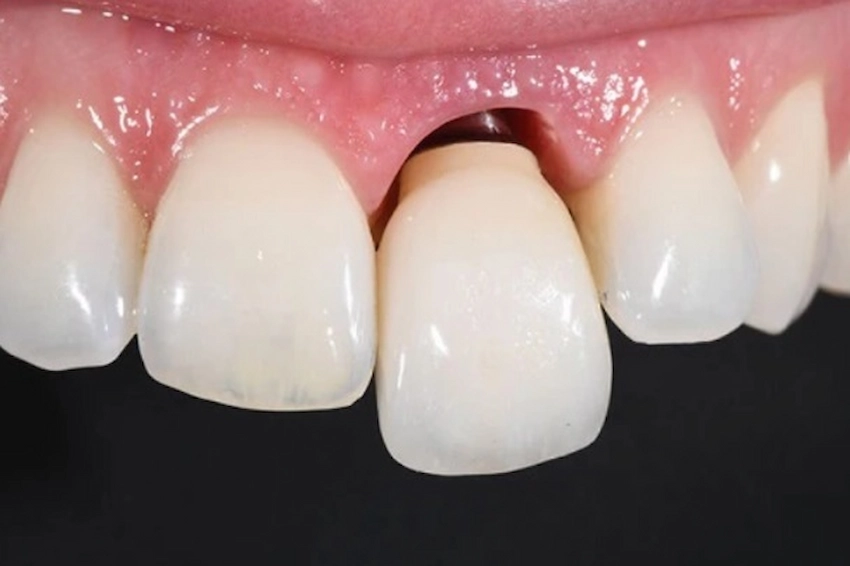
There are quite a few ways for dentists to solve the problem of how to tighten a loose tooth which a dentist will decide on the basis of the cause. A frequently used technique is tooth splinting, where a loose tooth is attached to the neighboring stable ones using a metal wire or resin that is flexible and thus, it not only supports the tooth but also stabilizes and allows the gums to heal.
In the case that gum disease is the reason, scaling, and root planing, along with deep cleaning, will remove the bacteria and will help the gums to reattach to the tooth. Along with that, minor surgery or bone grafting might be necessary as well to bring complete support to a tooth that is stable. A dentist alone is able to correctly determine how to do it without any risk to the long term.
How to Tighten a Loose Tooth Caused by Gum Disease
There is a connection between gum disease and adults asking the question of how to tighten a loose tooth. When the gums experience recession and the underlying bone is lost, teeth become insecure, even if they still were healthy.
In order to tighten a loose tooth caused by such an issue, the infection needs to be treated by deep cleaning, antibiotic therapy, and regular oral hygiene. Healing, as well as reduction of inflammation, marks the dentist’s intervention of splinting or regenerative procedure to rebuild the support lost.
How to Tighten a Loose Tooth: Prevention Tips After Treatment?
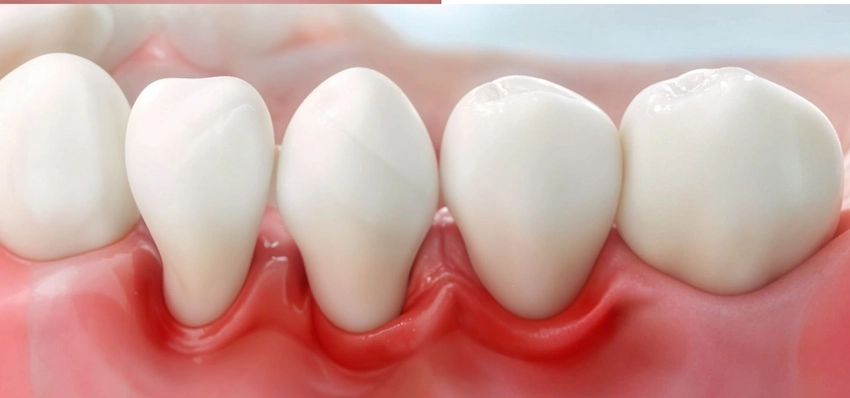
Stabilizing a tooth is followed by preventing it from becoming loose again that is the most important take-off in oral health care. Daily brushed and flossed, the use of mouth rinse with antibacterial properties, and dental visits twice a year will lower your chances of recurrence by a large margin.
If you are a grinder, a nightguard can come in handy as it will protect your teeth against the dental trauma that results from it. Following the question of how to tighten a loose tooth is not the best way to solve this problem, instead, the best way is to never be asking such a question again.
FAQs About How to Tighten a Loose Tooth
No, a dentist is the only one who can provide permanent solutions to tighten a loose tooth, although you can manage the symptoms.
The time until the tooth becomes completely stable may vary from a few weeks to several months depending on the method used.
It is not always the case – if a loose tooth has been properly managed in the early stages, it can definitely be saved and re-stabilized.
No, these symptoms can be results of trauma, teeth grinding, or bone loss besides gum disease.
Do not eat hard, sticky, and crunchy foods to lower the movement and tension on the tooth.

