


What Are Dental Crowns?
Dental crowns are essentially tailor-made caps that cover a tooth that is either broken or rotted and function to restore the original shape, size, strength, and even the look of the tooth. In most cases, such crowns are made out of sturdy substances like porcelain, ceramic, or metal. Porcelain crowns have become widely accepted because of their ability to imitate the shade of real teeth, hence they are perfect for the front teeth. In any case, ceramic crowns, while very attractive, can become chipped more easily than metal-based ones, which are stronger and generally used for the rear teeth where the looks do not matter much.
When a tooth is so severely damaged that it cannot support a filling, a crown is placed around it to provide the tooth with the necessary strength and also to prevent further decay from developing. Professor Doctor Coşkun Yıldız explains that dental crowns are a major milestone in the restorative dentistry division. In addition to protecting the weak teeth, the patients, through better functionality and comfort, can eat, speak, and smile without any fear.Crowns are generally expected to last from 10 to 15 years, however, it is still maintaining good oral hygiene and having regular dental checkups will ensure that they are kept in the best condition.
Is It Normal for a Dental Crown to Break?
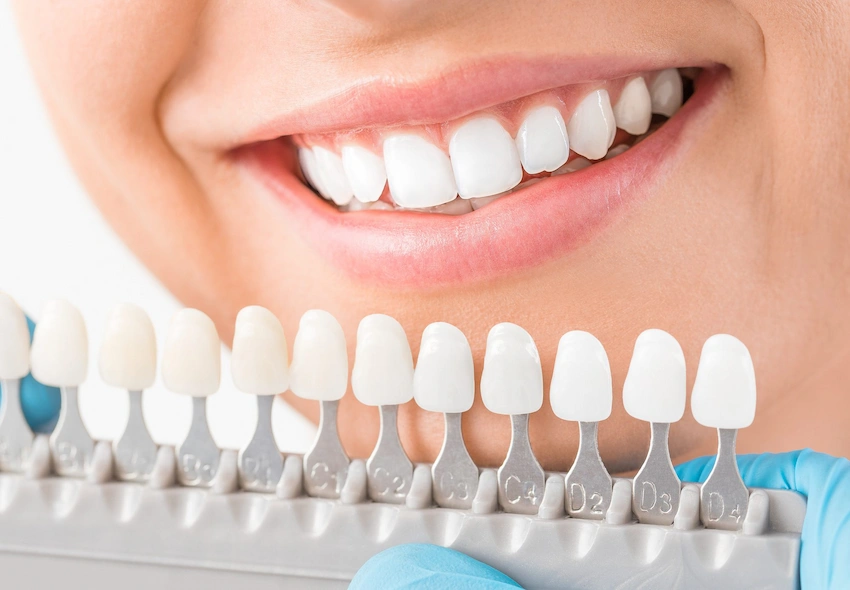
Crowns on teeth are made to last, but a broken crown can be a dental restoration sometimes. A crown break is rarely associated with the normal use of a crown, however, it can be damaged by several contributing factors. The impact of the material of the crown on the durability of the crown is very significant. To a certain extent, porcelain crowns can be made to look better, but can also be more highly susceptible to chipping compared to metal crowns, which are stronger but less visually attractive. Sometimes, the excessive pressure resulting from the hard food and chewing can break the crown; in case of a sudden blow to the mouth or if teeth grinding has been going on for a long period, the stress caused by grinding will also be the reason for the broken crown.
Moreover, a dental crown can be broken when the tooth underneath the crown is heavily decayed or when the crown has been fixed for a long time and, therefore, has become more brittle. When the tooth below the crown is weakened, Dentist Polen Akkılıç and her team explained that a crown can no longer be the support that the tooth needs and eventually the tooth will be damaged. Patients should keep in mind that crowns are not indestructible and if they notice any signs of wear, they should consult professionals without delay.
How Do Dental Crowns Break?
- Physical Trauma
In situations where a dental crown is forcibly hit, e.g., an injury resulting from an accident, hitting the ground, or being struck in the face, it can be fractured. The impact force may cause a crown to fracture or break off pieces, in particular, if it is made of some more brittle substances like porcelain.
- Teeth Grinding (Bruxism)
Grinding of teeth which can be called bruxism, is one of the ways that a dental crown can be subjected to continuous pressure. Such a pressure, if it is maintained, can lead to the crown being cracked or chipped as a result of the thinning of the crown surface. People who grind their teeth in sleep should particularly think about the risk of dental crowns as the repeated nature of the grinding will result in a high level of stress on the crown.
- Biting on Hard Objects
Putting an excessive amount of force on the crown as a result of hard objects such as ice, mints, tough substances like nuts or hard candies, or pens being ingested or bitten can cause the crown to break. The pressure imposed on the crown by these hard things may have to be more than the crown is capable of withstanding, which will inevitably result in fractures.
- Poor Fit or Old Age
Over time a crown may become a little bit weaker especially if it is not well-fitted or is not maintained properly. A loosening of the crown that does not fit tightly on the tooth may cause it to move or become unstable, and thus it will be more likely to break. The thing is also that the crowns that have been used for a long time can be in a state of becoming brittle and, in such a situation, they will be more susceptible to breaking because of natural ageing and general wear and tear.
- Weakened Underlying Tooth
If the tooth that supports a crown gets decayed or damaged, the crown can be left without support and thus may start breaking. When the structure of the tooth beneath the crown is weakened or rotted, the crown will be supported less and can eventually go to the point of breaking as it will be vulnerable to impact.
What Should You Do If Your Dental Crown Breaks?
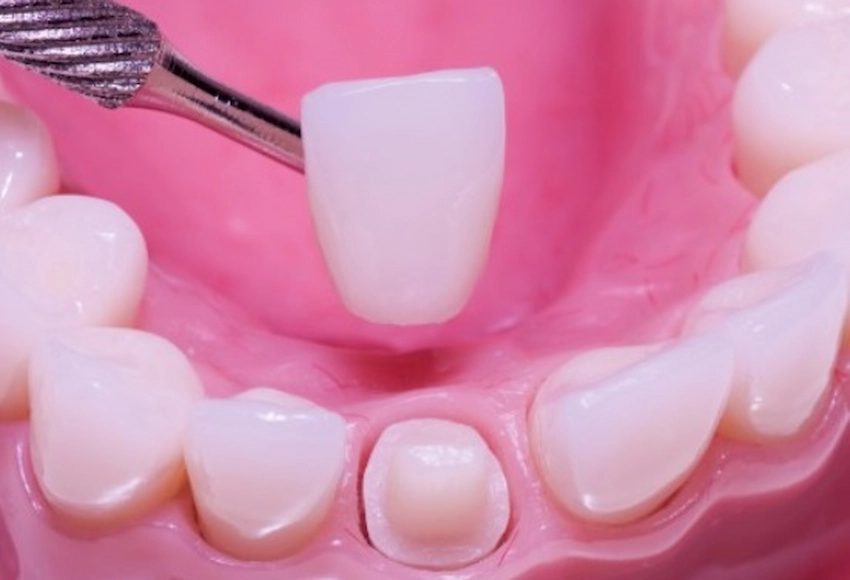
It is vital to take action quickly if your dental crown breaks to prevent damage to the tooth that is below the crown and also to get rid of any pain or discomfort. First of all, get in touch with your dentist without delay and make an appointment. Until then, do not chew on the side of the mouth where the crown is because you may put more pressure on the tooth and the crown. A crown that is still in one piece but has become loose should be recemented in a safe place as your dentist may be able to make a quick reunion. On the other hand, if the crown has been shattered into fragments, do not try to glue it back yourself as this may lead to more damage to the tooth.
In order to protect the tooth that is exposed, you may put dental wax or temporary dental cement on it so that the area is covered. These temporary measures are intended to isolate the tooth from the intake of food, bacteria, and any other sources of irritation. Nevertheless, a visit to Dentist Polen Akkılıç and her team is still very necessary to get a professional repair or replacement, the way the tooth is safeguarded, and the reattachment or replacement of the crown, as the case may be.
Can a Broken Crown Be Repaired?
- Minor Chips or Cracks
If a dental crown is only slightly chipped or cracked, bonding can be used to repair the dental crown. In this method, a material that matches the colour of the tooth is bonded to the damaged area, the crack or chip is filled with material, and then the material is hardened using a certain light. Usually, this repair is a fast and efficient way to solve the problem of minor damage.
- Reattaching a Loose Crown
In case of loosening, but intact, the crown can be reattached to the tooth. After disinfecting the surface of the crown and the tooth, your dentist will apply a cement that provides a firm bond and then will adhere the crown to the tooth. It is a typical fix for those who have experience with loosening of the dental crown due to the passage of time.
- Replacement for Major Damage
When the crown is over the limit of cracks and broken into several pieces, thus cannot be fixed, the technician will have to make a new one for you. A new crown will be made according to the mould of your tooth, so it may require a few days before the lab is done with the new crown.
- Temporary Solutions
Sometimes, it is not feasible to carry out a temporary repair and replacement. In such cases, the parts of the exposed tooth can be covered with a temporary crown or a dental filling. This provisional replacement can protect the tooth against additional harm or penetration of bacteria until the time when the permanent crown is ready and fitted.
- Professional Care for Long-Term Durability
A visit to a dentist like Dentist Polen Akkılıç and her staff is highly recommended when your crown has broken. Although minor work can be done at home using some temporary solutions, getting professional care will secure and ensure that the crown is fixed safely, thus you will regain not only the function but also the aesthetics of your smile.
What Are the Common Causes of a Dental Crown Breaking?
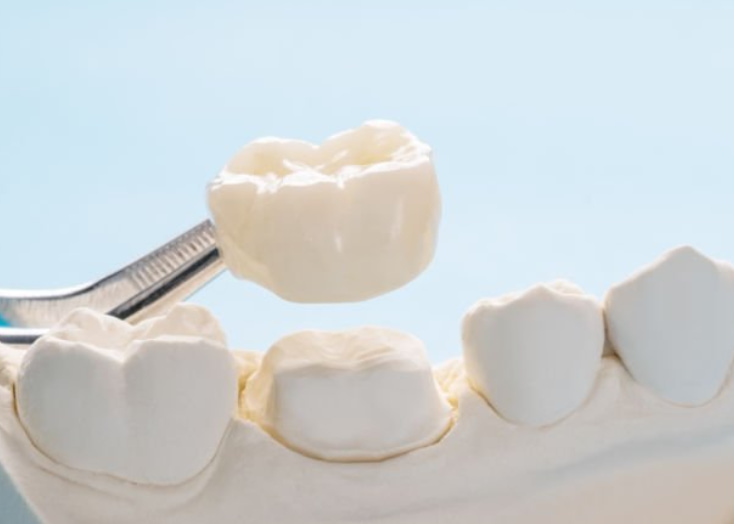
Different factors can lead to the breaking of a dental crown. A large part of the reason is a physical trauma, e.g., an injury to the mouth, which will result in a cracked or broken crown. Apart from that, the use of a lifestyle such as biting on something hard (for instance, ice, pens, or hard candies) can certainly lead to an increase of pressure on the crown, thus resulting in its breaking. Also, the situation of the mouth known as Bruxism, which is teeth grinding, is a factor that causes anxiety. The repeated pressure caused by grinding can be a reason why the crown eventually broken.
Besides, the condition of the tooth that is supporting the crown can be the reason for the dental crown breaking. If the tooth underneath the crown gets a decay or some kind of damage and therefore becomes compromised, the crown may lose the ability of a tight fit thus breakage may occur due to the induced stress. A crown which is not properly fitted or one that has been there for a long time might also be at a higher risk of breaking as it could become more brittle with time. Therefore, regular dental visits with Dentist Polen Akkılıç and her team can be a good preventive measure to uncover the problems that might lead to damage of the crown.
What Are the Oral Health Harms of a Broken Dental Crown?
One of the possible consequences of a fractured dental crown is the development of various oral health issues over time. The most significant danger associated with such a situation is definitely the exposure of the bacteria and food particles to the underlying tooth. The exposure may lead to eczema and infection. The infection will lead to the need for additional treatments such as root canals or even extraction. Pain and sensitivity may also be a result of a broken dental crown, according to Professor Doctor Coşkun Yıldız. Especially if the tooth is unprotected for a long time, this type of discomfort will occur.
Moreover, a fractured dental crown can impede the movement of the jaw while eating and talking and eventually, irritate the area and lose focus during these activities. Ignoring the problem, the fracture of the dental crown will escalate and you will be forced to take drastic and costly measures. In order to stay away from the risk of infection and keep the tooth inoculation, you should have a broken crown mended without delay.
Common Causes of a Dental Crown Breaking
| Cause | Description | Preventive Measure |
| Trauma | A blow to the mouth or face can cause a crown to crack or break. | Wear a mouthguard during sports or accidents. |
| Teeth Grinding (Bruxism) | Grinding teeth while sleeping can put too much pressure on crowns. | Use a night guard to prevent grinding. |
| Biting Hard Objects | Eating hard foods or biting into inedible things like ice can cause the crown to get damaged. | Avoid biting on hard items. |
| Poor Fit or Wear Over Time | Crowns that have been improperly fitted or worn down are usually more likely to fracture. | Ensure regular dental visits for check-ups. |
| Weakened Tooth Structure | When the tooth under the crown gets decay or is weakened, the crown can be broken or loosened. | Treat underlying tooth issues promptly. |
References:
- Akkılıç, P., & Team. (2023). Restorative dentistry and dental crowns: An overview of materials and techniques. Lema Dental Clinic.
- Yıldız, C. D. (2022). The impact of bruxism on dental restorations: Understanding the risks of dental crown breakage. Journal of Clinical Dentistry, 48(2), 145-152. https://doi.org/10.1016/j.jcd.2021.12.006
- Dabbagh, M., & Zahid, M. (2021). Clinical considerations for managing dental crown fractures: Repair or replacement?. International Journal of Prosthodontics, 34(4), 378-383. https://doi.org/10.11607/ijp.7218
- Lee, J. H., & Park, S. (2020). Factors influencing the longevity of dental crowns: A retrospective study on survival rates. Journal of Prosthetic Dentistry, 123(3), 398-404. https://doi.org/10.1016/j.prosdent.2019.07.008
- Smith, R. A., & White, T. (2019). The role of dental crowns in restorative dentistry: Function, aesthetics, and care. Journal of Dental Research, 98(7), 724-731. https://doi.org/10.1177/0022034519873436
Frequently Asked Questions About Chipped Dental Crowns
If the damage is not too severe, a chipped dental crown can usually be fixed locally in a doctor’s office. Small chips may be covered with a plastic material or composite resin by a dentist to make the crown look new again.
A chipped crown, which is a broken cover of the tooth, can become a very serious issue if you don’t take care of it immediately. In fact, the tooth under the crown can be exposed to bacteria and you can get even more damage in that area. It is recommended to fix the tooth as soon as possible so as not to allow infection to develop and to keep the tooth safe.
If you want to be completely sure a proper repair is done by your dentist, you may temporarily protect a chipped crown, as a last resort, with dental wax or over-the-counter dental cement. This will allow the tooth to be protected for a short time until you can get a permanent repair from your dentist.
It may take from a few hours up to a few days to repair a chipped crown depending on whether the crown is mended or substituted. In case a new crown is necessary, it will be a matter of several days before the lab makes it.
The amount that goes towards the rescue of a chipped crown is usually kept within a range of $100 to $500 only when the damage is minor. In case a replacement of the crown is required, it is going to cost you from $800 up to $3,000, varying with the type of crown and the materials used.
Usually, the cheapest method of repairing a chipped tooth is dental bonding, where a resin is put on the broken area. This is a money-saving option in comparison to the replacement of a crown or getting a more complicated treatment.
It is not very common for crowns to chip, however, they can still be exposed to damage if a person experiences some kind of trauma, grinds his/her teeth, or is not taking care of them properly. Surely, routine check-ups at Dentist Polen Akkılıç’s clinic will keep your dental crowns in good condition for a longer period of time and will make sure they are safe from harm.

