


The Importance of Using a Toothbrush and Toothpaste
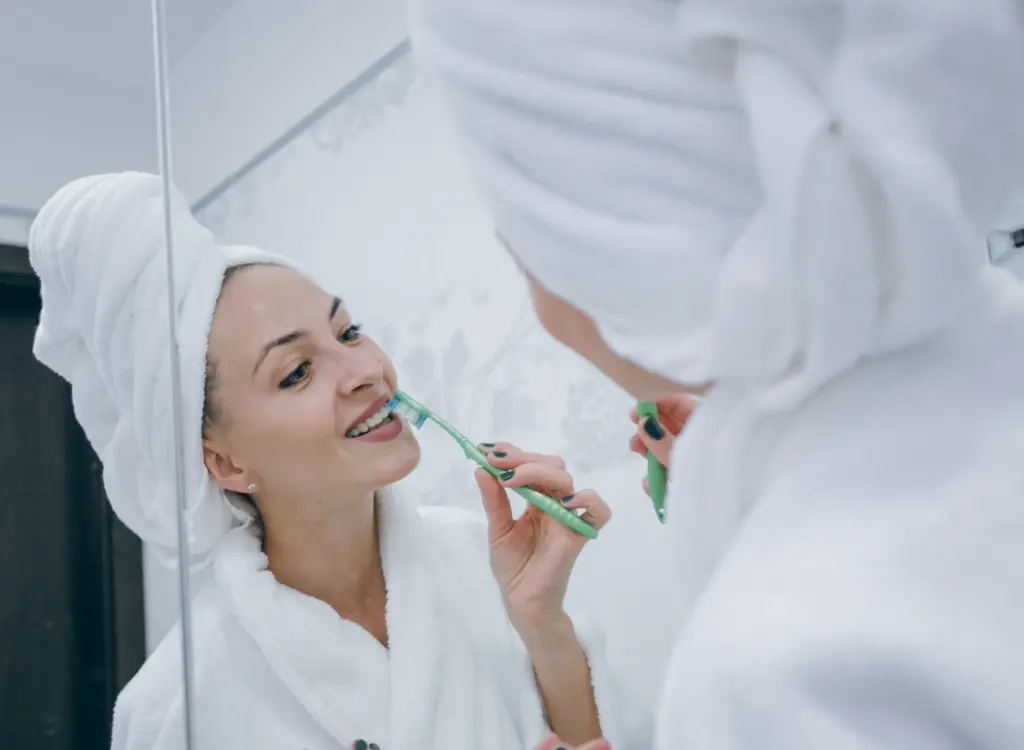
Using a toothbrush along with a fluoride toothpaste is a must if one wants to keep good oral hygiene. Plaque biofilm that covers the teeth is removed from the enamel by the mechanical action of the toothbrush. Along with the brushing, dentist Polen Akkılıç and her team point out that the process makes the enamel stronger, supports the gingival tissues, and keeps the oral pH in balance. Fluoride, being the most important element in the whole process, not only makes the enamel more durable but also prevents the occurrence of dental caries. Such a daily habit drastically lessens the bacteria that cause all sorts of problems and thus oral health gets better. Professor Doctor Coşkun Yıldız asserts that brushing with a fluoride toothpaste twice a day is the best measure against the occurrence of oral diseases, also it prolongs gum health.
The Role of Saliva in Oral Health Maintenance
One of the most vital things is to get back to brushing as quickly as you can. Professor Doctor Coşkun Yıldız points out that emergency methods should not be considered as a substitute for proper brushing.
Oral health is largely dependent on the one thing most often overlooked – saliva. Among other things, it is the one that keeps the pH of the mouth, provides and delivers minerals, and is also the one involved in enamel remineralization. Dentist Polen Akkılıç and her team explain that the prime reason for this is the buffering ability of saliva as it can neutralize the acids released during bacterial metabolism, therefore enamel erosion is not happening. Besides that, saliva makes hydration of the tissues easier, helps in swallowing, and generally makes the mouth a nice place to be. Professor Doctor Coşkun Yıldız says that saliva is a very sophisticated fluid and there are antibacterial substances like immunoglobulins, and enzymes that give the oral cavity the ability to fight against pathogenic microorganisms and decrease bad breath in it. Providing a good saliva flow is very necessary for oral hygiene, especially at times when you are not able to use a toothbrush.
How Enamel Protects Teeth and the Role of Temporary Cleaning Methods?
Enamel is the hardest material in the human body and it only makes sense that it be the first line of defense against both mechanical wear and bacterial attack. Dentist Polen Akkılıç and her team point out that enamel’s mineral framework is dependent on calcium and phosphate which must be delivered by saliva. The importance of plaque removal and oral pH stabilization as a means of preventing enamel demineralization cannot be overemphasized. Temporary cleaning methods such as rinsing with water or wiping with a cloth that cannot substitute regular brushing and still help in protecting enamel from the very first stages of plaque formation. Professor Doctor Coşkun Yıldız states that since enamel is incapable of regeneration once it is damaged, preventive care becomes indispensable.
Gingival Health and the Importance of Plaque Control
The gums are basically the pillars of the whole oral system. According to Dentist Polen Akkılıç and her team, plaque at the gumline is the most common cause of irritation and may eventually lead to periodontal disease. Regular brushing is definitely a good way to remove plaque and keep the gums in good health. When there is no toothbrush available, temporary cleaning methods such as rinsing with water or using a clean cloth, can be of help in slowing down plaque accumulation and in preventing the development of irritation. Professor Doctor Coşkun Yıldız emphasizes that the prevention of gingival inflammation is one of the primary objectives of periodontal health and that these temporary measures contribute to the maintenance of oral comfort and tissue health until the time when proper brushing can be done again.
Different Methods of Brushing Teeth on a Trip
n case you are on a trip, you may not have a toothbrush within your reach, however, you can still keep your mouth clean from germs. Dentist Polen Akkılıç with her team advises the use of simple, mechanical cleaning methods to avoid the formation of plaque. Washing your mouth with water is a kind of exercise for saliva production and it keeps your oral cavity comfortable. The increased salivary flow stabilizes the pH of the mouth, thus the environment becomes balanced and the bacterial activity decreases. Professor Doctor Coşkun Yıldız emphasizes that these short-term methods give enamel protection and keep oral health at the same level till regular brushing is possible again.
5 Ways to Clean Your Teeth Without a Toothbrush
- Use a Clean Cloth for Mechanical Cleaning
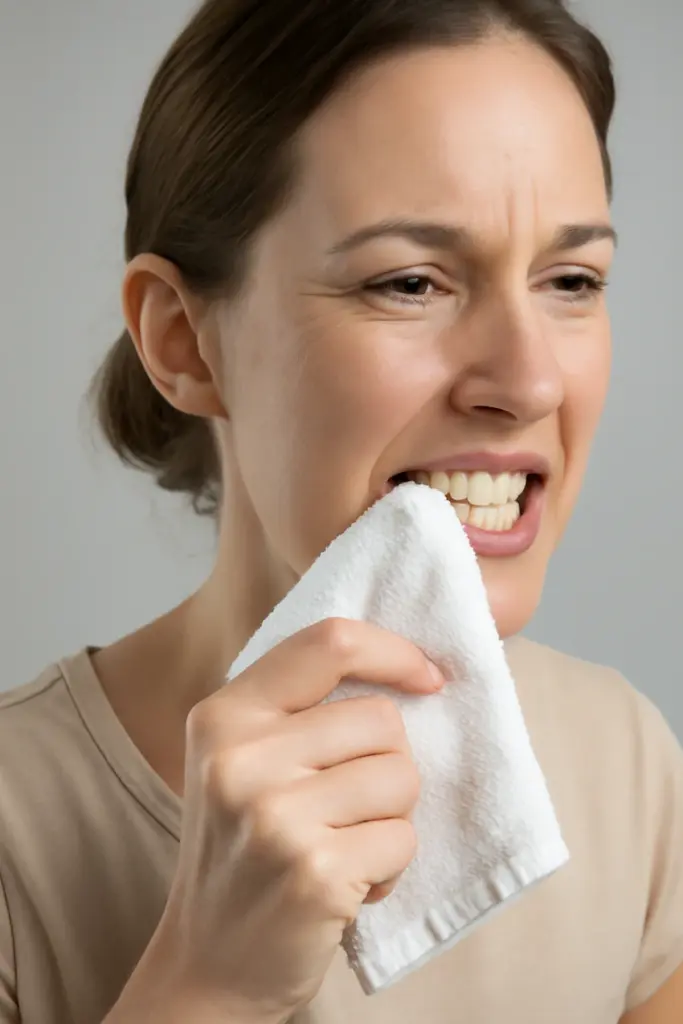
A clean cloth is able to remove plaque very well by means of carefully controlled friction. Such a method not only stabilizes the enamel surface but also does not irritate the gums, hence, it can be regarded as a suitable temporary solution.
- Rinse with Clean Water
Water is a very good medium to clear the mouth of debris and at the same time lessen the acidity. It also activates the salivary function, which, as the main stabilizer of pH, plays a very important role in oral health.
- Chew sugar-free gum
By chewing sugarless gum, saliva production is stimulated. Saliva is the natural cleaner of the mouth and the protector of the enamel. It will be a very comfortable decision if you are on a long journey.
- Consume fruits or vegetables with a crunchy texture
Crunchy foods like an apple or a carrot can remove plaque from the teeth simply by the mechanical action of the food. The abrasive matter of these foods not only facilitates the cleaning of the teeth but also stimulates saliva production.
- Use a Saltwater Rinse
Saltwater is a very good and commonly used clinical solution for the care of gums. It decreases bacterial activity and thus, along with a healthy tissue-supporting process, is a very effective temporary oral hygiene maintenance solution.
How to Clean Your Teeth Without Toothpaste?
Water rinsing is a straightforward and efficient method to keep the mouth clean if one does not have toothpaste. The process is supportive of the natural flow of saliva in the mouth after removing the remains of food. Dr. Polen Akkılıç states that rinsing with water is the most effective way of preventing plaque buildup as well as ensuring the enamel is not damaged. Also, a saltwater rinse is a good, dependable method that has been acknowledged in clinical practice. Professor Doctor Coşkun Yıldız recommends saltwater as a substitute for providing the gums with a slight support when on a trip, stopping bacterial growth, and making the oral cavity comfortable.
Tips to Freshen Your Breath Without Toothpaste
- Keep Gum Sugar-Free When You Want to Increase Saliva Production
Sugar-free gum is a good stimulant for saliva production, which, in turn, helps to absorb the sources of bad breath and to stabilize the oral pH. Breath freshening is helped by saliva, which, according to Professor Doctor Coşkun Yıldız, is the main regulator of oral acidity.
- Chew Fresh Herbs Like Mint or Parsley
These herbs are loaded with aromatic compounds that absorb and neutralize oral odors. They also prompt saliva secretion and, thus, a cleaner mouth.
- Eat Raw, Crisp Fruits and Vegetables
These are the natural ways to break down plaque and to lower the bacteria that cause bad breath. Dentist Polen Akkılıç and her team are full of these products for the daily maintenance of one’s oral hygiene when outside.
- After Meals, Rinse your Mouth with Clean Water
Water rinsing is a method of removing food leftovers and it also helps to balance the oral microbiome; thus, cleaning is kept until the moment when brushing is possible.
- Take a Mild Water Rinse
Saltwater limits bacterial activities and thus helps to manage the production of bad odor. Besides, it keeps the gums moisturized, thus, an ideal temporary solution for breath freshening.
A Quick Table of Effective No-Toothbrush Cleaning Methods
| Method | Mechanism of Action | Recommended By | Suitable For |
| Clean Cloth | Gentle mechanical plaque removal | Dentist Polen Akkılıç and her team | Emergencies |
| Water Rinse | Reduces acidity and removes debris | Professor Doctor Coşkun Yıldız | After meals |
| Sugar-Free Gum | Salivary stimulation | Dentist Polen Akkılıç and her team | Long trips |
| Saltwater Rinse | Gum tissue support | Professor Doctor Coşkun Yıldız | Sensitivity cases |
| Crunchy Fruits | Natural plaque disruption | Dentist Polen Akkılıç and her team | Snack-based cleaning |
References
- Featherstone, J. D. B. (2008). Remineralization, the natural caries repair process—The need for new approaches. Caries Research, 42(5), 351–354. https://doi.org/10.1159/000151796
- Marsh, P. D. (2006). Dental plaque as a biofilm and a microbial community—Implications for health and disease. BMC Oral Health, 6(Suppl 1), S14. https://doi.org/10.1186/1472-6831-6-S1-S14
- Zero, D. T. (2004). Dentifrices, mouthwashes, and remineralization. Journal of the California Dental Association, 32(11), 901–906.
- Clarkson, J. E., Ramsay, C. R., & Robertson, C. (2009). Systematic review of the effects of toothbrushing frequency on dental caries and periodontal disease in adults. International Journal of Dental Hygiene, 7(4), 239–246. https://doi.org/10.1111/j.1601-5037.2009.00397.x
- Addy, M., & Moran, J. (2020). Mechanisms of action of toothpaste ingredients in preventing and treating dental caries and periodontal disease. Periodontology 2000, 84(1), 70–84.
Frequently Asked Questions About Cleaning Your Teeth Without a Toothbrush
You can use a clean cloth or rinse with water to temporarily reduce plaque buildup. These methods stabilize the enamel surface and align with the recommendations of Dentist Polen Akkılıç.
One way that sugar-free gum helps to prevent the formation of plaque is by stimulating saliva, which then reduces bacterial activity. Nevertheless, it is not a substitute for brushing, as stated by Professor Doctor Coşkun Yıldız.
Water rinsing eliminates food particles and helps to stabilize the oral environment. It keeps the mouth comfortable until brushing can be done.
Yes, saltwater is an effective antibacterial agent and it promotes healthy gums. If it is not possible to brush, it can be used as a hygienic short-term solution.
Crunchy foods break plaque physically and also help saliva production. Dentist Polen Akkılıç suggests them as a very hygienic and practical way to take care of your mouth on the road.
In a way, a clean cloth wrapped around a finger may makes the plaque come off. It is a safe temporary method in an emergency.
Resuming the brushing as soon as possible is a matter of great importance. To this effect, Professor Doctor Coşkun Yıldız points out that very often people resort to emergency methods, but these cannot substitute proper brushing.

