


Denture adhesive can provide strong daily hold, but it cannot replace properly fitted dentures.
Wearing bottom dentures is really difficult. An upper denture is able to function like a suction cup on the roof of your mouth. However, a lower denture has a significantly harder time. Not only does it rest on a thin bone ridge, but it also has to contend with a very strong muscle: your tongue.
Think of your lower jawbone as the base of a building. If the teeth are missing, the base will gradually weaken and break down. Having a hard plastic denture that rests on a base that keeps getting smaller is just a recipe for issues. This is exactly what is routinely observed at the clinic. Patients are totally worn out when they come. Continually using glue just to eat is their struggle.
If you rely on paste to hold your teeth, the way you do it matters. At Lema Dental Clinic in Turkey, our clinical experience shows that small adjustments can make a big difference. Enhancing your daily routine might be the key to a stronger hold for your lower denture.
The Proper Way for Applying Lower Denture Paste in a Clinic Setting
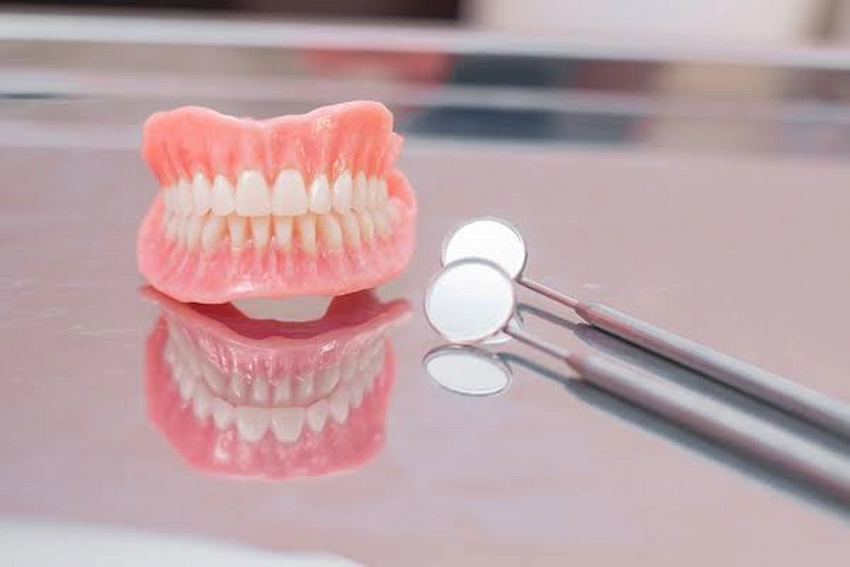
Putting on denture glue is not the same as caulking a window. More glue is definitely not better. In fact, too much glue will spoil your bite and will make the denture slip even more.
Use these exact steps to get a denture that fits tightly yet is easy to wear:
- Clean and Dry: Make sure your denture is completely dry. Never apply glue onto a wet denture. That is like putting tape on a wet wall. It simply will not stick.
- The Three-Dot Rule: Stop continuously squeezing a long line of paste. Instead, apply three small dots the size of a pea. Make one in the front center, and the other two should be made on each back side.
- Rinse Your Mouth: Take a small amount of warm water and swish it around your mouth. This moisture on your gums activates the bonding agents in the glue.
- Press and Hold: Apply strong pressure to the denture. Close your teeth and hold the bite for 10 to 15 seconds.
Reasons for Bottom Dentures Always Feeling Loose
Even if the paste technique is flawless, it is just a stopgap measure. In fact, your jawbone is being resorbed, i.e., you are losing bone. That’s why we call this phenomenon bone resorption.
Professor Doctor Coşkun Yıldız often emphasizes a harsh fact. Your lower jaw may lose up to 25% of its bone volume within the first year after tooth loss. As the bone disappears, the denture loses the place where it rests. The paste tries to fill the gap that is appearing between the plastic teeth and the shrinking gums.
Yet, let’s focus on what happens within your everyday life. A denture that slips and rubs against your soft gums is producing a lot of discomfort. Moreover, the continuous rubbing is causing the bone to resorb more and leading to very painful sores.
Different Choices You Have for Lower Teeth
| Solution | Daily Care | Bone Health | Bite Strength |
| Standard Denture + Paste | High (cleaning, gluing) | Poor (bone shrinks) | 20-30% of natural teeth |
| Implant Overdenture | Medium (cleaning snaps) | Fair (stops front bone loss) | 60-70% of natural teeth |
| All-on-4 / All-on-6 Bridge | Low (brushing normally) | Excellent (saves jawbone) | 90-100% of natural teeth |
Turkey Permanent Solutions Without Denture Paste
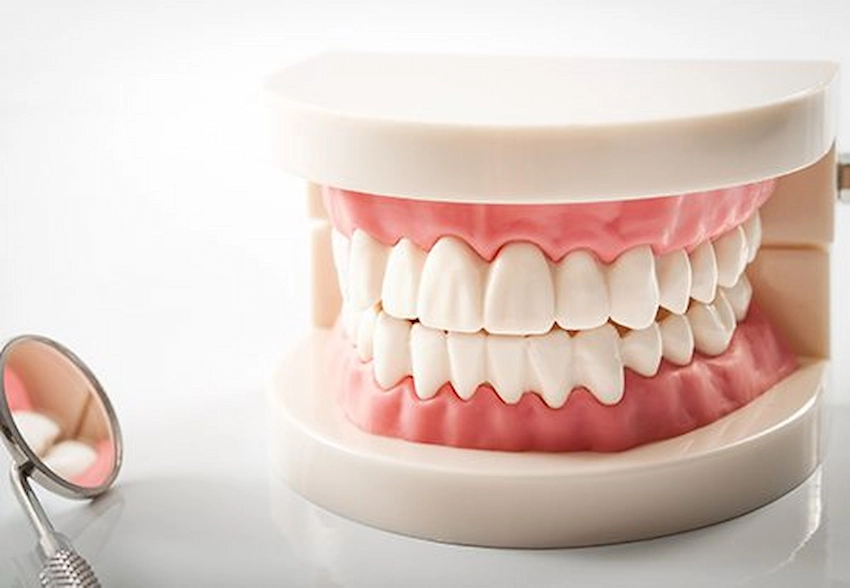
This raises a question: For how long will you keep depending on temporary glues?
A lot of patients become fed up with their adhesives not working. They go in search of better solutions. At Lema Dental Clinic in Istanbul, Dentist Polen Akkılıç and her team help patients step out of the world of plastic teeth. Our main goal is to have permanent, fixed teeth.
We employ sophisticated implant techniques such as All-on-4, All-on-6, and Zygomatic for those with severe bone loss. These treatment modalities restore the foundation of your smile. Titanium implants are integrated directly into the bone. There is no need for sticky pastes ever after. These implants are the closest to natural teeth aesthetically, in terms of touch and function.
Most Asked Questions
Why does my glue leak out the sides?
You are putting a lot more paste than necessary. Perhaps you are also putting the paste very near the edges. Use the “three-dot” technique. If it continues to leak, then most likely you have a denture that is too big for your shrinking gums.
How do I safely clean leftover glue from my gums?
Avoid using a hard toothbrush. A hard toothbrush will damage your sensitive gums. Firstly, rinse very warmly and vigorously with water. Then, instead of scrubbing, gently take the glue off with a soft, wet cloth.
Is swallowing denture glue safe?
It is okay to swallow a very small quantity here and there. Over the course of a day, swallowing lots of zinc-based paste is a different story. It can result in zinc poisoning leading to serious nerve damage. So always go for zinc-free pastes.
Can I sleep with my dentures that have glue on them?
No. Your gums will receive a rest from the plastic if you leave them without a denture. When you sleep with the dentures, bone loss is accelerated, and bad bacteria grow.
Will I ever be able to eat steak with a lower denture?
Consuming tough meat will be difficult when you have a glued-in lower denture. If you want to be able to eat anything you like, you may want to consider implant-supported bridges. They restore your bite force fully.
Academic References
- Carlsson, G. E. (2014). Responses of jawbone to pressure. Gerodontology, 31(1), 8-14.
- Felton, D. A. (2009). Edentulism and comorbid factors. Journal of Prosthodontics, 18(2), 88-96.
- Misch, C. E. (2007). Contemporary Implant Dentistry (3rd ed.). Mosby Elsevier.
- Polzer, I., Schimmel, M., Müller, F., & Biffar, R. (2010). Edentulism as part of the general health problems of elderly adults. International Dental Journal, 60(3), 143-155.
- Zarb, G. A., Hobkirk, J. A., Eckert, S. E., & Jacob, R. F. (2012). Prosthodontic Treatment for Edentulous Patients: Complete Dentures and Implant-Supported Prostheses (13th ed.). Elsevier Mosby.

