


Healthy dental hygiene is the foundation of good dental health for a lifetime, which is especially true for kids. In this respect, routine dental cleaning for young patients is probably the most important preventive measure, and it is coded as D1120. This dental program refers to a preventive cleaning, tension that is carried out for kids under 14 and is meant to eliminate plaque, tartar, and a little bit of the stains from the teeth. Intervening early in dental care is very important because it reduces children less likelihood of developing serious oral health problems, such as cavities, gum disease, and tooth decay, later on.
We have prepared an article explaining the D1120 dental code in detail: what it means, its significance, the practice itself, and the benefits of it. Besides that, we will emphasize the importance of prevention in pediatric dentistry and talk about how regular cleanings can become a great dental hygiene habit for children’s teeth and gums.
What is the D1120 Dental Code?
Dental code D1120 stands for the children’s routine preventive cleaning, by definition, the hypothetical dental prophylaxis. The main purpose of the operation is to help the dentist properly remove plaque, tartar, and stains from the teeth on the surface of the gums to prevent oral health problems in the young patient. Plaque is a film that sticks to the infected teeth, which, if allowed to persist, can cause cavities and gum disease. Eventually, it changes into tartar (which may only be removed with proper dental tools) when hardening of plaque takes place.
The D1120 step is an initiative that is preventive in nature in order to avoid dental diseases later on in life. Through the D1120 procedure, which is a regular cleaning, a child’s teeth and gums will stay healthy and thus making the D1120 step very useful in preventing not only cavities but also gingivitis, oral diseases, and so on. In general, it is advised that children go through this treatment every six months for a healthy mouth and teeth.
Why Preventive Care Matters for Children
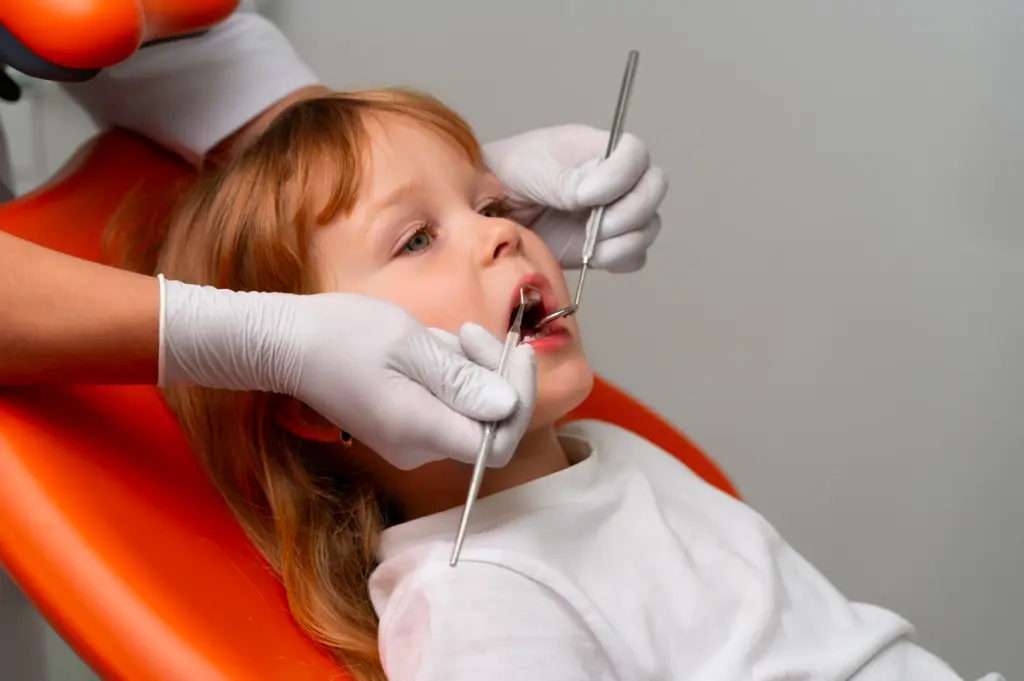
Dental preventive care is about far more than just saving a child’s beautiful smile; it’s really about preparing the child for a lifetime of good oral health. The D1120 intervention is key to achieving this goal. Routine cleanings are not only instrumental in the building of sound oral hygiene habits but also make possible the early recognition of dental problems when they are still at a nascent stage. Here is the importance of prevention explained:
- Prevention of Tooth Decay: Tooth decay happens mainly because of plaque and tartar. If these substances are not removed, they will lead to the formation of cavities that, in turn, will bring about the loss of teeth, which is the main source of thinning in children’s teeth. By doing regular cleanings, one practically eliminates the probability of tooth decay since removing plaque and tartar is at the same time.
- Prevention of Gum Disease: Gum disease, resulting initially in gingivitis, can get its roots in an accumulation of plaque and tartar that occurs along the gumline. If they are not treated, they gradually turn into a more severe form of gum disease that causes gum recession, tooth mobility, and finally, tooth loss. D1120 treatment assists in impeding tooth and gum-related disease by ridding areas of plaque and tartar before they trigger inflammation in the gums.
- Stronger Teeth and Enamel: The fluoride element in the D1120 process is the one that brings about the strengthening of enamel and thus, making the latter more resistant to caries and decay. Enamel is the outer protective layer of the teeth, and it is very important to keep it strong, especially in the case of a growing child.
- Building Healthy Habits: One thing that is very important in children is to form good oral habits at an early stage of their lives. In case of children’s regular visits to the dentist and if they are taught the necessity of oral hygiene, they will most probably continue with these modes throughout their lives. Preventive care is the first stepping stone through which children can become responsible for their own oral health.
- Overall Health Benefits: Oral health is one of the factors that directly affects overall health. The relation was found between bad oral hygiene and such diseases as heart disease, diabetes, and respiratory illnesses. Children who clean their teeth properly and follow preventive care on a regular basis are thus setting a healthy life stage for themselves.
How the D1120 Procedure Works: What to Expect
D1120 cleaning is generally not complicated, and the duration is usually between 30 minutes and an hour, depending on the child’s condition. The operation is basically a stepwise conversion of the following:
- Initial Evaluation: The start of the work is the dentist or dental hygienist’s inspection of the child’s teeth and gums for signs. This stage is targeted to locate the disease of the teeth, gum infection, or any other problems of the oral cavity. The check also supports the dentist in planning the most effective methods for cleaning children’s teeth as well as in determining the necessity of treatment, e.g., fluoride or sealants.
- Plaque and Tartar Removal: After the evaluation, the dentist will start the task of removing plaque and tartar from children’s teeth. They will combine the necessary fabricated performance instruments to carry out this type of work to the teeth and gumline, achieving the deposit removal gently and effectively. Most of the time, the process is done without pain or any discomfort, but some children can experience a little sensitivity at this stage.
- Polishing: Following the removal of plaque and tartar, the dental hygienist polishes the children’s teeth to make the surface even and remove the presence of superficial stains on the teeth. Polishing also helps in preventing plaque as it leaves the teeth with a smooth, shiny surface, thus making it hardly acceptable for plaque to adhere to the teeth in the future.
- Fluoride Treatment: After the dental cleaning and polishing, a fluoride treatment is the next step to be done on the teeth. Fluoride is the component that leads to the return of minerals to the enamel and at the same time, it protects the tooth from acid attacks as well as from the cariogenic effect.
- Oral Hygiene Education: Moreover, the dental professional may want to educate patients and their carers on proper brushing and flossing techniques. Without good oral hygiene habits, the results of the cleaning will not last, and thus, the education being provided helps kids in figuring out ways of taking care of their teeth at home.
Preparing Your Child for a D1120 Cleaning Appointment
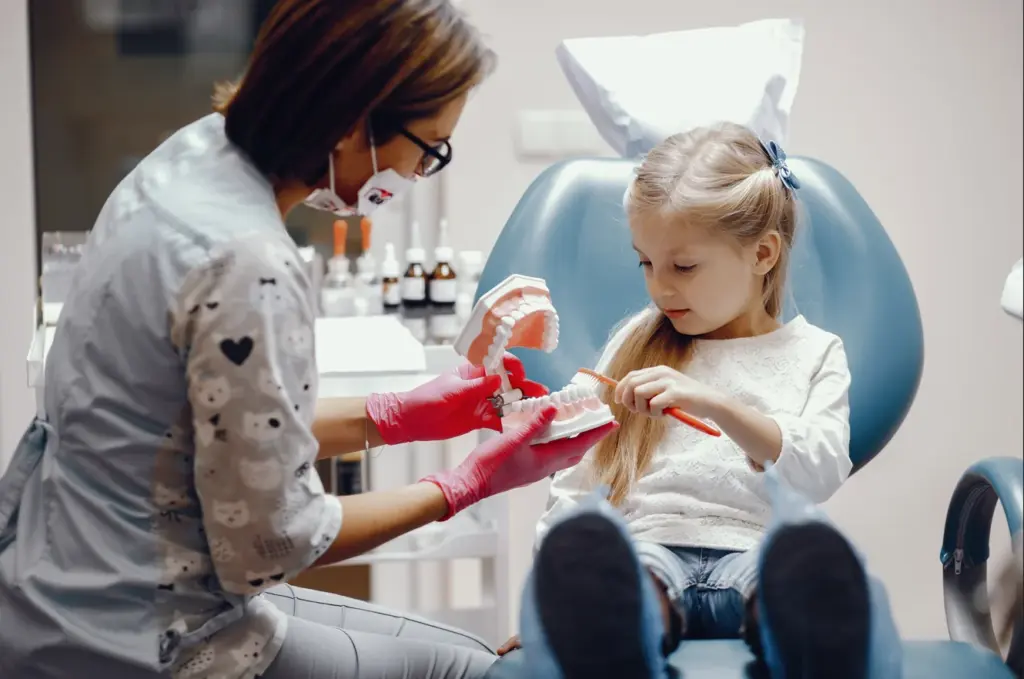
The principal places the child in D1120 cleaning, even if it’s a quick and straightforward operation. The appointment will be a good time, and the kid will be stress-free if you get them ready. Before the visit, be aware of some things.
D1120cleaning is typically quite easy and the duration is between 30 minutes and 1 hour, depending on the child’s condition. The operation, briefly, is as follows:
- Good Oral Hygiene at Home: Prior to the visit, you may instruct your child to brush and floss his/her teeth properly. The cleaning will be more effective and pleasant.
- Explain the Visit: If the child is scared and does not understand what will happen at the dentist, you can soothe the child by explaining it in a kind and reassuring manner. Tell them that the cleaning will make their teeth strong and that it is routine dental care.
- Comfort Items: If your child has a toy, blanket, or any other comfort item, bring it to the appointment, which would help your child feel more comfortable.
- Documentation: Be sure to bring your insurance information, medical records, and all other necessary documents to the appointment. It will make the whole process go smoothly.
After the D1120 Cleaning: Post-Cleaning Care and Tips
Some methods are there to ensure that the cleaning’s benefits can be obtained by the child for a long time. These tips and Methods come in handy after a d1120 cleaning.
- Mild Sensitivity: Some children can develop a slight dental sensitivity after a dental cleaning, particularly if they have sensitive teeth or gums by nature. The sensitivity is very temporary and in most cases it disappears after a couple of hours.
- Avoid Hot or Cold Foods: For the first few hours after the cleaning, it is better to avoid eating or drinking something that is very hot or cold to prevent the pain that may accompany the sensitivity.
- Maintain Oral Hygiene: Make your child responsible for brushing and flossing her teeth daily as a method of maintaining the effects of the cleaning. Twice a day for brushing and once for flossing will be enough to keep the children’s oral hygiene at a good level between visits.
- Schedule Regular Visits: In order to maintain your child’s oral health in the best possible condition, you ought to arrange dental appointments periodically, every six months. It will be an opportunity for the first possible identification of problems and keeping the child’s smile in good condition for a long period.
The Importance of Routine Preventive Care
Periodontal preventive care is an excellent example of how to take care of oral health through growth. A lot of the time, such intervention techniques make possible the involvement of the physician at an early stage when the problems are still minor and less expensive. The article finishes by emphasizing that first help in kids’ dentistry is the only way to ensure a comfortable change of children into adults with healthy teeth and gums.
Conclusion: Setting the Foundation for a Lifetime of Healthy Smiles
Preventive care for kids heavily depends on the D1120 category of dental treatment.By means of regular dental cleanings, parents have the opportunity to eliminate the fear of their children experiencing the most common oral problems, such as cavities and gum disease. Moreover, this preventive measure not only improves the child’s oral health but also creates a foundation for oral hygiene habits that last a lifetime.
Regular dental cleanings along with other preventive measures are vital for maintaining good oral health, and the d1120 stage serves as a great instrument in reaching the goal of providing the proper care that children need to be able to keep their oral health in good condition. When these habits are rooted in children, they will be capable of keeping beautiful, healthy smiles for many years to come.
Sources:
- American Dental Association. (2023). Current Dental Terminology (CDT). ADA Catalog.
- American Dental Association. (2022). “Preventing Periodontal Disease.” MouthHealthy.org.
- American Academy of Periodontology. (2023). “Gum Disease Information.”
- Centers for Disease Control and Prevention. (2021). “Oral Health Tips.”
Frequently Asked Questions (FAQs) About D1120 Dental Code
The D1120 dental code refers to a preventive cleaning procedure for children under 14. It involves removing plaque, tartar, and stains from the teeth to prevent dental issues such as cavities and gum disease.
It is recommended that children receive a D1120 cleaning every six months to maintain optimal oral health and prevent future dental problems.
Yes, fluoride treatments are often included as part of the D1120 procedure. Fluoride helps to strengthen tooth enamel, providing protection against cavities and decay.
No, the D1120 procedure is generally painless. Some children may experience mild sensitivity afterward, but this is temporary and should subside within a few hours.
Yes, the D1120 cleaning procedure is designed to remove plaque and tartar, which significantly reduces the risk of cavities and other dental issues.

