


Denture adhesive can provide strong daily hold, but it cannot replace properly fitted dentures.
Every week, patients from all over the world travel to Turkey just to sit in our dental chairs. They all come with the same concern – they are getting tired of their teeth slipping. The clicking noises annoy them,m and they are afraid to eat in public.
Well, the question still is: How strong really is denture adhesive? Can dental glue bring your life back?
Based on our experience at Lema Dental Clinic, we come across a lot of patients struggling every single day with denture pastes and powders to somehow get through their meals. The truth is, these kinds of solutions only serve as a temporary relief, and they cannot resist the natural actions of the human mouth.
How Does Dental Glue Work?
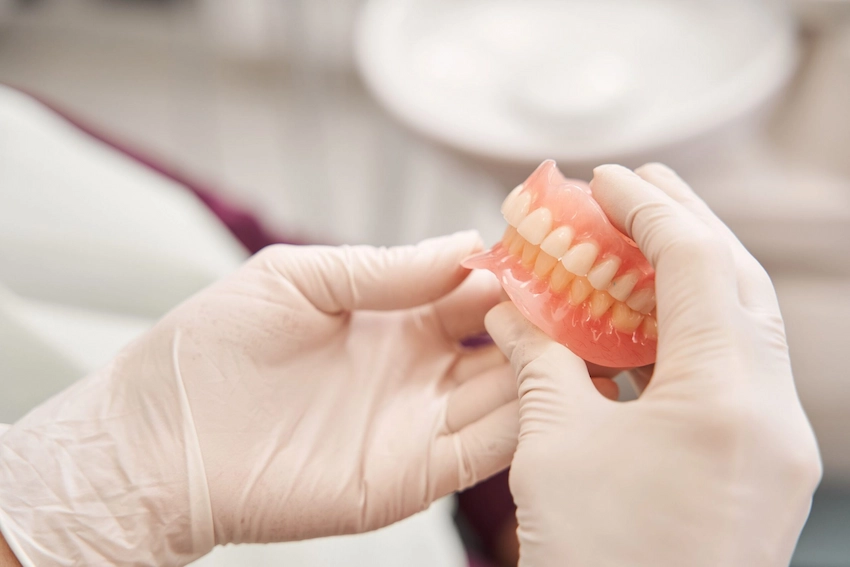
Denture paste forms a chemical reaction. The saliva and powder/paste mix. It produces a thick, sticky layer. It attempts to attach the hard plastic of your denture on one side and your soft, wet gums on the other.
However, let us think about it more. Consider your jawbone as the strong concrete foundation of a house. When you lose your natural teeth, that foundation starts to shrink. Thus, a conventional denture simply rests on top of the gums, which continue to shrink. The use of paste here is similar to the attempt to fix a heavy wooden door to a rotted frame with a thin tape. It may work against a gentle breeze. However, an unexpected force – e.g., biting a crisp apple – will break the seal immediately.
Why Is Zinc Dangerous?
Dental paste application increases when loose teeth shift. This way, a simple routine for a patient turns into a health hazard.
Professor Doctor Coşkun Yıldız has evidently stated that most of the marketed denture pastes contain a very high amount of zinc for the stronger adhesion feature. While zinc in very small quantities is completely safe, the problem arises when you end up depending on thick layers of paste throughout the day only to keep your teeth in place. This may result in zinc poisoning over a period of time. The symptoms of such poisoning are severe nerve damage, weak muscles, and loss of sensation in hands or feet.
In our practice, we see that the patient should not have to make a choice between dental retention and health.
Moving Past Adhesive: Fixed Dental Implants
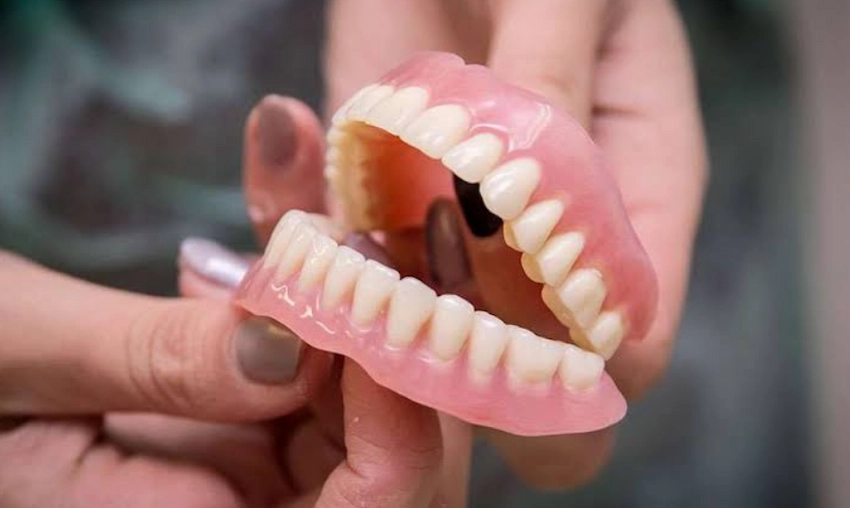
Instead of wondering how to make plastic stick better, we should be looking for a proper solution. We should be restoring your jawbone. This is the way modern dentistry is able to change people’s lives.
The Dentist Polen Akkılıç and her team at the Lema Dental Clinic exchange loose plastic with fixed, strong teeth by the use of cutting edge Zygomatic implants, All-on-4, or All-on-6 systems. These titanium posts are basically the same as natural tooth roots. They stay inserted inside the bone. Then, a permanent Zirconium fixed bridge is mounted on them.
The newly fitted teeth are not going to be moving. No need for grapes or pastes. Also, they don’t block the taste buds in the roof of your mouth. You are going to taste the flavorful food again.
Dental Paste versus Fixed Implants
Here is the bare truth: How paste compares to fixed teeth.
| Feature | Fake Teeth + Glue | All-on-4 / All-on-6 Implants |
| Bite Strength | 15–20% of normal strength | Up to 95% of normal strength |
| Daily Care | Soaking and fresh glue daily | Brush and floss like real teeth |
| Food Choices | Soft foods only | Eat anything, even steak and apples |
| Zinc Risk | High (if overused daily) | Zero |
| Jawbone Health | Bone continues to shrink fast | Implants keep the bone thick and strong |
Some Questions from Our Patients
Would strong denture glue let me eat steak?
The truth is, no amount of paste will provide the biting force required to chew the tough meat. The glue only prevents the teeth from falling. It cannot stop the side-to-side rocking that causes the seal to break while chewing steak.
What is the maximum amount of adhesive that one can safely apply?
Three or four tiny drops are enough to use. When you are applying a thick line of glue in an effort to make the teeth stay, the plastic is no longer fitting to your jaw,w and you risk lamina propria inflammation and zinc accumulation.
Does using strong denture paste prevent my jawbone from shrinking?
Definitely not. Imagine the bone as a muscle that, when not used, gets lost. Dentures only press on the gums, so bone stimulation is lacking. The only thing that can help mimic the function and stimulate the bone is titanium implants.
What’s the effect of swallowing dental glue?
It is the zinc accumulation, as we spoke of earlier, that occurs upon swallowing small amounts of paste over the years. It causes an upset stomach now and later can lead to severe nerve damage.
Do fixed implants hurt to have?
Patients often express surprise at just how straightforward the operation is. Employing both excellent anesthetics and a technologically advanced digital planning system, we at Lema Dental Clinic in Turkey provide most of our clients with the experience that the pain after the All-on-4 surgery is quite a lot less than the pain experienced when living with raw, blistered gums from rubbing plastic.
Academic References
- Felton, D., Cooper, L., Duqum, I., Minsley, G., Guckes, A., Haug, S., … & Sweitzer, B. (2011). Evidence-based guidelines for the care and maintenance of complete dentures: A publication of the American College of Prosthodontists. Journal of the American Dental Association, 142(1), 1S-20S.
- Munoz, C. A., Gendreko, K. C., & Warren, D. P. (2012). Clinical evaluation of the effectiveness of a denture adhesive in improving the performance of complete dentures. Journal of Prosthodontics, 21(2), 113-118.
- Nierenberg, D. W., Meier, F. A., & Makris, C. S. (2005). Neuropathy associated with zinc toxicity from denture adhesives. Neurology, 65(8), 1264-1264.
- Albrektsson, T., & Wennerberg, A. (2004). Oral implant surfaces: Part 1—review focusing on topographic and chemical properties of different surfaces and in vivo responses to them. The International Journal of Prosthodontics, 17(5), 536-543.
- Maló, P., de Araújo Nobre, M., Lopes, A., Ferro, A., & Nunes, M. (2019). The All-on-4 treatment concept for the rehabilitation of the completely edentulous mandible: A longitudinal study with 10 to 18 years of follow-up. Clinical Implant Dentistry and Related Research, 21(4), 565-577.

